Low-Intervention Wine, Explained: Organic, Biodynamic, and Natural
Low-intervention wine is wine made with as little added to it as possible, from the vineyard all the way to the bottle. The term points mainly at the cellar, at how the wine is made, while words like organic and biodynamic point at the vineyard, at how the grapes are farmed.
Understanding Low-Intervention, Organic, and Biodynamic Wine
Two different questions hide inside these labels, and mixing them up is where the confusion starts. One question is about the vineyard: were the grapes grown with synthetic pesticides and fertilizers, or without them? The other is about the cellar: how much did the winemaker add or adjust after the grapes came in?
Intervention means anything a winemaker adds or does to shape the wine after harvest: commercial yeast, acid, sugar, tannin, fining agents, filtration, and sulfites. Low-intervention winemaking keeps that list short and lets the fruit and the site do most of the work.
How Grapes Are Farmed vs. How Wine Is Made
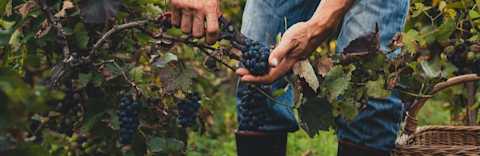
Organic, biodynamic, and sustainable are farming words. They describe what happens in the vineyard, from how the soil is fed to whether synthetic sprays ever touch the vines. Natural and low-intervention are cellar words. They describe what happens after the grapes are picked, once the fruit reaches the winery and fermentation begins.
A wine can sit anywhere on both axes at once. Organically farmed grapes can still become a heavily manipulated wine, and a hands-off natural wine can come from grapes grown with conventional sprays. Because the two questions are separate, one label on its own rarely tells you the full story of how a bottle was grown and made.
Which Terms Are Certified and Which Aren't
Some of these words are regulated, and some are not. Organic and biodynamic are certified claims, checked by an outside body before a producer can print them on a label. In the United States, the word organic is controlled by the USDA, while the European Union runs its own EU Organic standard. Biodynamic certification comes mainly from Demeter, and Ecocert audits organic and other green practices across many countries.
Natural and low-intervention carry no legal definition and no required audit. Any producer can use them, so the words are only as trustworthy as the grower behind them. That gap is where most label confusion begins.
The Terms, Defined: Organic, Biodynamic, Sustainable, Natural, and Low-Intervention
Five words show up again and again on green wine labels, and each one means something specific. Here is what separates them, moving from the vineyard toward the cellar.
1. Organic Wine
Organic wine starts with grapes grown without synthetic pesticides, herbicides, or fertilizers, and the rules also limit what can be added later in the cellar. In the United States, a wine labeled organic must be made without added sulfites, a stricter bar than most of the world sets. For the full breakdown of what the seal covers and what it leaves out, see what makes organic wine organic.
Biodynamic farming grew out of a set of lectures given by an early twentieth-century Austrian philosopher, and it treats the vineyard as one living organism rather than a field of separate plants. The soil, vines, animals, and compost are managed as a single system that feeds itself. Growers use specific preparations, such as fermented herbs and minerals buried in the ground, and they time key tasks to the lunar and seasonal calendar.
Certification comes from Demeter, which sets and audits the standard worldwide. The practice pushes growers toward richer soils and more balanced vines, and many drinkers find that biodynamic wines show unusual clarity and energy in the glass. The approach is demanding and slow, so a certified bottle signals real commitment in the vineyard.
Sustainable wine is the term the other categories tend to skip, and it works a little differently. Instead of banning specific inputs, sustainability programs judge the whole operation against three pillars: environmental health, social responsibility, and economic durability. A farm can reach those goals through conventional, organic, or biodynamic methods, so sustainability is a destination rather than a single recipe.
There is no one global standard. Programs are usually run region by region, each with its own checklist and audit, which is why sustainable wine labels can vary from place to place. A sustainable seal tells you the producer is managing long-term impact, not that they have banned every synthetic input.
Natural wine sits at the strict end of the cellar axis. The working idea is nothing added and nothing removed: grapes ferment with their own native yeast, and the winemaker skips additives like commercial yeast, acid, and tannin. Sulfites are kept very low or left out entirely, and the wines are often bottled unfined and unfiltered.
Native yeast fermentations take longer and behave less predictably than fermentations started with commercial yeast, yet they hold on to more of the site's character. There is no legal definition of natural wine, so the term rests entirely on the producer's own standards. Good examples of natural wine can taste vivid and alive, though the hands-off approach leaves little room for error.
Low-intervention wine is defined by a question of degree: how much intervention, not whether any is allowed at all. It sits between conventional winemaking and strict natural wine, using gentle, limited help only where a wine needs it. Many low-intervention reds and whites carry under roughly 50 ppm of total sulfites, well below conventional levels but not always as low as natural wine.
The category overlaps with natural wine without being identical to it. A low-intervention winemaker might add a small dose of sulfites at bottling for stability, a step a strict natural producer would avoid. Because the term is unregulated, low-intervention wine is best read as a signal of intent that you then verify bottle by bottle.
Minimal intervention tends to show up first as freshness and lift. With less added sulfur and no heavy filtration, many of these wines taste bright and juicy, with aromas of crushed berries and citrus pith. The texture often changes too, turning a little cloudy, slightly grippy, rounder, and more tactile on the tongue than a polished conventional wine.
Native yeast can bring a gentle savory edge, sometimes read as a light funk: think sourdough, saline, orchard skins, and wild herbs. Held in check, that character adds interest. Pushed too far, it tips into vinegar or nail polish, so balance is the thing to look for.
These wines are also honest about the vintage. A cool year reads as tart and lean, while a warm year gives riper, softer fruit, because there is little in the cellar to sand down those differences. You will often notice more variation from bottle to bottle, which is part of the appeal for drinkers who like a wine that shifts and surprises.
How to Choose and Buy These Wines
The label does most of the talking once you know which words are backed by an audit and which are not. Certified terms give you a guarantee, while claim-based terms tell you the producer's intent and leave the checking to you. Our Green wine collection is a good place to see these categories side by side.
USDA Organic: guarantees grapes grown without synthetic pesticides or fertilizers, and forbids added sulfites in any wine labeled organic in the United States
Demeter: the biodynamic certifier to look for, confirming the vineyard met a full biodynamic standard from soil to harvest
"Natural" / "low-intervention": unregulated claims: check for native yeast fermentation, unfined or unfiltered bottling, and low added sulfites
Sustainability seals: regional programs that certify environmental, social, and economic practices, with standards that vary by area
Low-Intervention Wine Questions, Answered
Is Low-Intervention Wine the Same as Natural Wine?
They are close cousins, but not the same thing. Natural wine is the stricter end of the scale, where almost nothing is added and sulfites stay very low or absent. Low-intervention wine covers a wider range and allows small, careful adjustments, such as a touch of sulfur at bottling. Every natural wine is low-intervention, but not every low-intervention wine is natural.
Are Low-Intervention Wines Regulated or Certified?
No. Unlike organic and biodynamic wine, low-intervention and natural have no legal definition and no official certification. Any producer can use the words on a label without meeting a set standard. That does not make the terms meaningless, but it does put the responsibility on you to check how the wine was actually made. The clearest signal is the producer's own notes on farming, yeast, and sulfites.
Do Organic, Biodynamic, and Natural Wines Contain Sulfites?
Almost all wine contains some sulfites. Fermentation itself creates a small amount, usually around 10 mg/L, so even a wine with nothing added is never completely sulfite-free. Organic and biodynamic rules cap added sulfites, and natural wines keep them very low or skip them entirely. The real difference between these wines and conventional ones is how much sulfur is added, not whether any is present.
Is Organic or Biodynamic Wine Healthier?
There is no strong evidence that organic or biodynamic wine is better for your health than conventional wine. These methods can mean fewer synthetic inputs in the vineyard and fewer additives in the bottle, which some drinkers prefer. Fewer additives is not the same as a health product, and wine is still alcohol. Choose these styles for how they are farmed and how they taste, not as a wellness upgrade.
Where Does Sustainable Wine Fit In?
Sustainable sits alongside organic and biodynamic as a farming approach, not a cellar style. It looks at the whole operation, including water use, energy, worker treatment, and long-term soil health, rather than banning specific inputs. A sustainable wine may or may not be organic, since a farm can reach those goals by more than one path. Think of it as the broadest of the green farming labels, focused on keeping the whole business healthy over time.
Where to Start with Low-Intervention Wine
Keep a few things straight as you shop. Organic, biodynamic, and sustainable describe how the grapes are farmed, while natural and low-intervention describe how the wine is made. Organic and biodynamic are certified and can be trusted on sight, while natural and low-intervention are claims you verify by the bottle. Reach for biodynamic when you want energy and precision, natural when you want a wine that feels alive, and sustainable when you want responsible farming without a strict ban on inputs.
You do not have to commit to one philosophy to explore the whole spectrum. Wine.com carries organic, biodynamic, sustainable, natural, and low-intervention bottles from regions around the world, so you can compare styles side by side and find what suits your palate.