Brunch wine means more than a pitcher of mimosas, though mimosas certainly earn their spot on the table. Matching a wine style to what you're eating is simpler than most people think, and the right bottle can turn a late-morning spread into something you remember all week.
Why Brunch Wines Work Differently
The single most useful thing to know about brunch wine is this: acidity is your best friend. A wine with bright, lively acidity works like a palate cleanser between bites of rich, savory food. Eggs Benedict dripping with hollandaise, a stack of bacon, a loaded quiche: high-acid wines cut right through all of it, keeping your palate fresh and ready for the next bite.
Here's a rule that saves a lot of headaches at brunch. Your wine needs to be at least as sweet as whatever you're eating. Pour a bone-dry Sauvignon Blanc alongside a plate of maple-drenched pancakes and the wine will taste thin and sour. An off-dry Riesling or a gently fizzy Moscato d'Asti, on the other hand, holds its own against that sweetness and makes both the food and the wine taste better.
Body matters too, especially in the morning. Lighter-bodied wines feel right at 11 a.m. in a way that a big, tannic Cabernet Franc simply does not. Think of it as calibrating the weight of the wine to the weight of the moment. Keep your bottles chilled between 45–55°F before serving. That's colder than most people serve wine at dinner, and the cooler temperature keeps everything tasting bright and refreshing.
One more thing worth knowing: sparkling wines are arguably the single best category of food-pairing wines available. The bubbles add a textural dimension that scrubs your palate clean, which is why Champagne works with practically everything on a brunch table.
Brunch Wines By Style
Four broad style categories cover nearly every brunch scenario you'll encounter. Each one has a personality, a sweet spot for certain foods, and a few bottles worth keeping on your radar.
1. Sparkling Wine
Sparkling wine is the default brunch pick for a reason: it pairs with almost everything, looks great on the table, and sets a celebratory tone without trying too hard. The category is wider than many people realize. Champagne gets all the name recognition, but Prosecco, Cava, and Crémant all deliver excellent sparkling wine at friendlier price points.
If you're making mimosas, the label matters more than you might think. Look for the word "Extra Dry" on the bottle. Despite the name, Extra Dry Prosecco is actually slightly sweeter than Brut, which makes it a better match for orange juice. The hint of residual sugar balances the acidity of the citrus. Brut works too if you prefer a drier, more wine-forward mimosa. Plenty of people use "Prosecco" and "Champagne" interchangeably when they mean "sparkling wine." No judgment: just know that the styles differ. Prosecco tends to be fruitier and softer, while Champagne leans toasty and structured. Cava, from the Penedès region of Catalonia, delivers traditional-method complexity at a price that rarely breaks the budget.
You genuinely cannot go wrong starting your brunch wine lineup with a bottle of sparkling. It's the one category that works across sweet and savory, heavy and light, and it sets the mood before the first dish even hits the table.
Crisp, high-acid white wines are the workhorses of the brunch table. They pair cleanly across savory dishes, from egg-heavy plates to smoked fish to green salads, and they don't compete with the food. If your brunch leans more savory than sweet, this is the category to explore first.
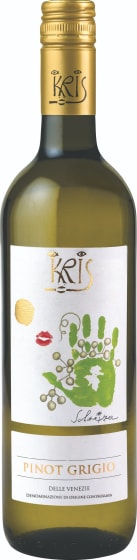
Sauvignon Blanc is a go-to here. Serve it as cold as you can without going below 45°F, and its citrus and herbaceous notes will cut through rich, buttery dishes. Pinot Grigio (called Pinot Gris in Alsace and Oregon) is a bit leaner and more restrained, with a clean mineral finish that makes it incredibly versatile. Unoaked Chardonnay is another strong option: it brings the body and fruit of Chardonnay without the buttery richness that oak aging introduces. And if you want something a little less expected, look into Verdicchio from Italy's Marche region. It has a marked lemony acidity, a bitter-almond finish, and a combination of substance and freshness that makes it a standout brunch white.
This is where brunch wine gets fun. Off-dry and aromatic whites are the sweet-food specialists, the bottles you reach for when the table is covered in pancakes, waffles, French toast, and fruit platters.
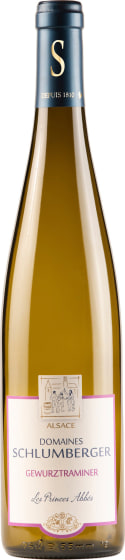
Off-dry Riesling sits on a wide spectrum from almost-dry to noticeably sweet. For brunch, look for bottles below 11% ABV, which tend to have enough residual sugar to complement sweet dishes without tasting like dessert wine. Moscato d'Asti is a brunch secret weapon: low alcohol (around 5.5%), a gentle fizz, and enough sweetness to stand up to maple syrup and powdered sugar. Gewürztraminer brings lychee, rose petal, and warm spice aromas that pair beautifully with smoked salmon, and it's delicious alongside Southeast Asian-inflected brunch dishes if your spread leans that direction. Chenin Blanc rounds out the category with its honeyed richness and balancing acidity.
Remember the sweetness-matching rule from earlier: these wines shine specifically because they meet the food on its own terms. When you pour a wine with residual sugar alongside a sweet dish, neither the wine nor the food has to fight for attention.
Is red wine okay at brunch? Absolutely, with one caveat: keep it light. Heavy, tannic reds feel out of place at a morning table, but lighter-bodied reds and dry rosés are perfectly at home.
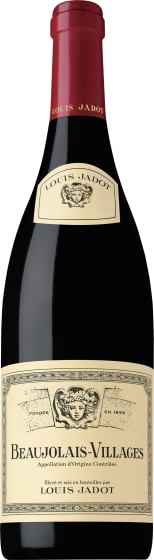
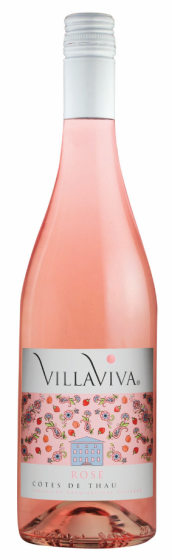
Dry rosé is the versatile middle ground between white and red wine. It has enough body to handle charcuterie boards and savory tarts, enough acidity to work with eggs and cheese, and enough chill-ability to feel right at brunch temperatures. Rosé made from Garnacha (also known as Grenache) tends to offer ripe strawberry and melon notes with a dry, refreshing finish. For light reds, Gamay is the grape behind Beaujolais, and it's a brunch natural: juicy, low in tannin, and fantastic when served slightly chilled around 55°F. Pinot Noir works in the same lane, offering silky red fruit and enough acidity to pair across a range of brunch dishes.
Knowing which wine to open gets easier when you work from the food backward. Here are quick pairings for the dishes that show up at almost every brunch.
Eggs Benedict: Sparkling wine or Sauvignon Blanc, both have the acidity to cut through hollandaise
Pancakes and waffles: Off-dry Riesling or Moscato d'Asti, matching sweetness with sweetness
Smoked salmon: Brut sparkling or Pinot Grigio, clean and crisp enough to complement the smoke and salt
Fruit salad: Moscato d'Asti or rosé, lighter wines that won't overpower fresh fruit
Quiche: Unoaked Chardonnay or Pinot Gris, with enough body to match the egg-and-cream richness
Charcuterie board: Gamay or dry rosé, versatile reds that handle cured meats and pickled vegetables
Two principles tie all of these together. Acidity in the wine keeps your palate refreshed between bites of rich food. And when the food is sweet, the wine should be at least as sweet. Stick with those two ideas and you'll land on a solid pairing every time.
Planning Wine For A Brunch Party
A good starting point for quantities: plan on about half a bottle per guest for a two-hour brunch. That accounts for the fact that brunch drinking tends to be more moderate than dinner, and it leaves room for coffee and juice alongside the wine.
For style mix, keep it simple. One sparkling, one white, and one wildcard (rosé or a light red like Gamay) covers the full range of brunch foods and preferences. Three bottles give your guests options without overwhelming the table or the host.
Get everything chilled to 45–55°F before guests arrive. Sparkling and white wines should be at the colder end of that range; rosé and light reds can sit a bit warmer. If you're setting up a mimosa bar, use Extra Dry Prosecco and set out pitchers of fresh-squeezed orange juice, grapefruit juice, and peach nectar so guests can mix their own. Pre-batching works too: combine Prosecco and juice in a 2:1 ratio and keep the pitcher cold.
Brunch Wine Questions, Answered
What Is The Best Wine For Mimosas?
Extra Dry Prosecco is the ideal mimosa base. The slightly sweeter profile (compared to Brut) balances the natural acidity of orange juice, and the soft, fruity character of Prosecco blends seamlessly with citrus. Brut Prosecco or Brut Cava work well if you prefer a drier result. Skip the expensive Champagne for mimosas: the nuance and complexity you're paying for gets lost once you add juice.
Can You Serve Red Wine At Brunch?
Yes, as long as you pick the right reds. Light-bodied wines like Gamay (the grape behind Beaujolais) and Pinot Noir are excellent brunch choices, especially when served slightly chilled around 55°F. Their bright acidity and low tannin make them flexible with brunch foods from egg dishes to charcuterie. Avoid heavy, tannic reds like Cabernet Sauvignon or Malbec, which feel too intense for a late-morning meal.
How Cold Should Brunch Wine Be?
Colder than you'd serve wine at dinner. Aim for 45–50°F for sparkling and white wines, and 50–55°F for rosé and light reds. The cooler temperature keeps everything tasting bright and refreshing, which matters when you're drinking before noon. If a bottle's been in the fridge overnight, pull it out about five minutes before pouring.
Is Moscato A Good Brunch Wine?
Moscato d'Asti is one of the best brunch wines you can pour, especially alongside sweet dishes. With low alcohol (around 5.5% ABV) and a gentle, frothy fizz, it pairs naturally with pancakes, fruit platters, and pastries. The light sweetness complements rather than clashes with maple syrup and powdered sugar. It's also easy drinking for guests who find dry wines too austere in the morning.
Your Brunch Wine Starting Point
There's no single correct brunch wine, and your own preferences should always lead the way. The best bottle for your table is the one that sounds good to you and works with what you're serving.
That said, starting with one sparkling and one still white gets you surprisingly far. Add a rosé or a light red if your menu includes heavier fare, and you've covered practically every dish on the table. The four style categories in this guide give you room to explore without overcomplicating things. Once you find a few bottles that work for your favorite brunch dishes, you'll have a rotation you can rely on all season long.