Americans open hundreds of millions of bottles of sparkling wine every December, and a significant share of those corks pop on a single night. With Champagne, Prosecco, Cava, Crémant, and domestic sparklers all competing for your midnight toast, picking the right bottle can feel more complicated than it needs to be. This guide breaks it down by method, sweetness, price, and style so you can choose with confidence.
Sparkling Wine at a Glance
Sparkling wine is a method, not a place. Every bottle on the shelf, whether it comes from Champagne, the Veneto, or Sonoma County, gets its bubbles through a deliberate second fermentation. The two dominant production methods create most of the flavor differences you'll notice in your glass, and understanding the basics makes the wall of labels far less intimidating.
How Traditional Method Shapes the Taste
Traditional method sparkling wines go through their second fermentation inside the individual bottle you eventually open. After months or years on the spent yeast cells (called lees), each bottle is slowly rotated and tilted in a process known as riddling, then the yeast is removed through disgorgement. This extended contact with the lees is what creates the toasty, biscuity, brioche-like complexity that defines Champagne, Cava, Crémant, and Franciacorta. It also takes more time and labor, which is a major reason traditional method wines cost more.
How Tank Method Keeps Things Fresh
Tank method (also called Charmat method) takes a different approach. The second fermentation happens in large pressurized steel tanks rather than individual bottles. Because the wine spends less time on the lees, it preserves the grape's primary fruit character and aromatic freshness. The result is a lighter, more immediately refreshing style of sparkling wine. Prosecco is the most famous example, and most affordable domestic sparklers use this method too.
Sparkling Wine vs. Champagne: All Champagne is sparkling wine, but not all sparkling wine is Champagne. Champagne is a specific region in northern France with strict production rules. Prosecco comes from northeastern Italy, Cava from Spain, and Crémant from several French regions outside Champagne. The label tells you where and how a wine was made.
What the Label Tells You About Sweetness
Sparkling wine labels use a sweetness scale that trips up even experienced wine drinkers. The key term to know is dosage: a small amount of sugar solution added after disgorgement that determines the final sweetness level. Over the past few decades, the trend has moved steadily toward drier styles, but every level on the scale has a place at the New Year's Eve table. Here is the full range from driest to sweetest:
Brut Nature: Zero added sugar (0–3 grams per liter). Bone-dry, with nothing between you and the wine's natural acidity
Extra Brut: Barely perceptible sweetness (0–6 grams per liter). Still very dry, with just a whisper of roundness
Brut: The most popular style worldwide (0–12 grams per liter). Dry with enough balance to please almost any palate
Extra Dry: Here is where the labels get confusing: Extra Dry is actually sweeter than Brut (12–17 grams per liter). Soft, approachable, and a great match for lighter appetizers
Demi-Sec: Noticeably sweet (32–50 grams per liter). Pairs beautifully with desserts and fruit courses
Doux: The sweetest category (50+ grams per liter). Rich, dessert-like, and increasingly rare
If you tend to gravitate toward sweeter wines, lean into that. There is no wrong sweetness level for a celebration, and a well-made Demi-Sec or Extra Dry can be exactly what a mixed crowd wants at midnight.
Sparkling Wine by Price: What To Expect at Every Level
A $12 Prosecco and a $60 Champagne are both sparkling wine, but they deliver fundamentally different drinking experiences. The gap comes down to production method, grape sourcing, and aging time. Nonvintage Champagne, for example, must age a minimum of 15 months on the lees, while vintage Champagne requires three or more years. That patience costs money, and it shows in the glass.
1. Under $20: Everyday Sparklers
This is the tier for large parties, cocktail mixing, and toasts where the room is loud and the point is celebration. Prosecco DOC, entry-level Cava, and domestic sparklers live here. These wines are fruit-forward, clean, and easy to love. They are crowd-pleasers by design, and at this price you can stock up without hesitation.
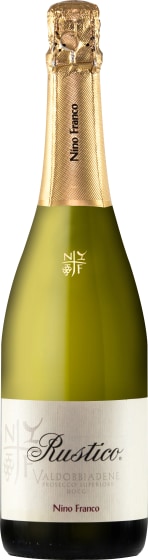
Quality-to-value peaks in this range. Prosecco Superiore DOCG bottlings from Valdobbiadene show finer bubbles and more aromatic complexity than their DOC counterparts. Cava Reserva spends longer on the lees, gaining some of the toasty richness usually associated with Champagne. Crémant d'Alsace, which accounts for roughly 22% of Alsace's total wine production, delivers traditional method character at a fraction of Champagne's price. California and Oregon sparkling wines round out the tier with impressive polish. If you're looking for the insider pick, Crémant is where to start.
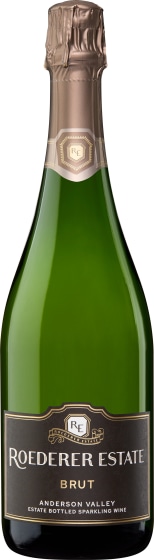
Anderson Valley, Mendocino, California ● Non-Vintage
95 Jeb Dunnuck
95 James Suckling
94 Decanter
93 Tasting Panel
93 Wine Spectator
92 Robert Parker
91 Wine & Spirits
90 Vinous
$37.99
$37.99
3. $40–$75: Champagne Territory
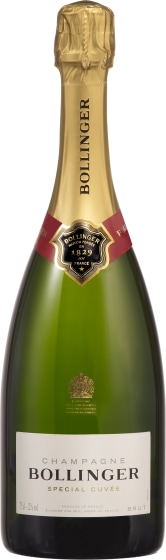
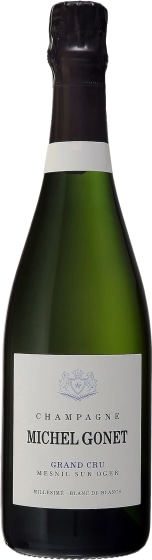
This is where traditional method aging starts to define the experience. Nonvintage Champagne from established houses delivers persistent fine mousse, layered brioche and almond complexity, and structure that holds up through a multi-course dinner. Bollinger's Brut Special Cuvée and Piper-Heidsieck's Cuvée Brut are benchmarks at this level. For readers who want to go one step deeper: Blanc de Blancs (100% Chardonnay) tends toward citrus and mineral precision, while Blanc de Noirs (Pinot Noir and Pinot Meunier) brings richer body and red-fruit depth.
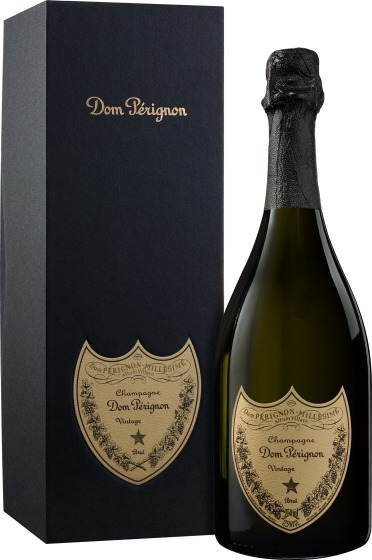
Prestige cuvées, vintage Champagne, and grower Champagne live here. These wines often draw from single-vineyard sites that yield just 1–2 tons per acre, compared to 4–6 tons for broader regional blends, and they spend years in the cellar before release. The result is concentration and complexity that reward a quieter moment: an intimate midnight toast, a small gathering where the wine gets the attention it deserves. This is aspirational, not required. A great bottle at this tier is an experience, not a prerequisite for a good New Year's Eve.
Beyond white sparkling wine, rosé and off-dry styles add color and variety to the New Year's Eve table. Both categories are crowd favorites for a reason: they're visually striking and tend to win over drinkers who find dry Brut too austere.
1. Sparkling Rosé
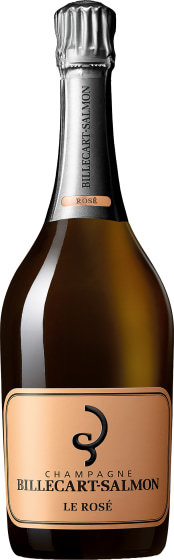
Sparkling rosé gets its pink color one of two ways. The saignée method draws color from brief skin contact with red grapes, producing deeper hues and more berry-driven flavors. The blending method (d'assemblage) adds a small amount of still red wine to the base, which is how most Champagne rosé is made. Rosé Champagne accounts for roughly 10% of the region's total exports. Whether you go with a traditional method rosé or a lighter Prosecco rosé, these wines look spectacular in a flute and pair well with everything from shrimp cocktail to seared salmon.
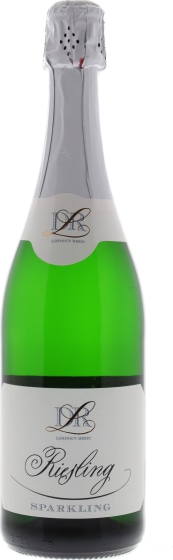
Some guests genuinely prefer sweeter, lower-alcohol wines, and New Year's Eve is a perfect time to have a bottle ready. Moscato d'Asti from Italy's Piedmont region is gently fizzy (frizzante rather than fully sparkling), low in alcohol, and packed with peach, apricot, and orange blossom aromatics. Sparkling Riesling offers a similar approachability with a slightly more structured profile. Pour these alongside dessert or let them stand on their own as a festive alternative.
Sparkling wine is one of the most versatile food-pairing categories in the wine world. The combination of acidity, effervescence, and relatively light body means bubbles can go places that still wines struggle to reach. If you're planning a New Year's Eve menu, here are five pairing principles worth keeping in mind:
Brut Champagne or Crémant: Oysters, smoked salmon, salty appetizers. The wine's high acidity and fine mousse cut right through rich, briny flavors
Prosecco: Light canapés, bruschetta, charcuterie boards. Prosecco's fruit-forward freshness makes it an effortless aperitif match
Sparkling rosé: Shrimp cocktail, seared tuna, berry desserts. The added dimension of red-fruit character bridges savory and sweet courses
Demi-Sec or Moscato: Wedding cake, fruit tart, crème brûlée. Sweetness in the wine harmonizes with sweetness on the plate rather than clashing
Any dry sparkling wine: Fried foods. This is the pairing that surprises people, but it works every time. The acidity and carbonation refresh your palate between bites of tempura, fried chicken, or potato croquettes
Sparkling Wine Questions, Answered
What Kind of Sparkling Wine Is Best for a New Year's Eve Toast?
Brut-style sparkling wine is the safest crowd-pleaser for a midnight toast. If you're hosting 10 or more guests, Prosecco or Cava in the $15–$25 range stretches the budget without sacrificing quality. For a smaller, more intimate gathering, a nonvintage Champagne in the $40–$60 range delivers the occasion-appropriate weight and complexity. Match the bottle to the size of the moment, not to someone else's idea of what you should be drinking.
Is Prosecco or Champagne Better for New Year's Eve?
Neither is objectively better. Prosecco is lighter, fruitier, and more affordable, which makes it ideal for large parties, cocktails, and casual toasts. Champagne is more complex, with toasty depth from extended lees aging, and it signals special occasion. The right choice depends on how you plan to serve it. Pouring for a crowd of 20? Prosecco. Sitting down with four people and a cheese board? Champagne earns its price.
How Sweet Should Sparkling Wine Be for a Party?
Brut is the versatile default because it pairs with almost anything and offends almost no one. For a mixed crowd, consider having one drier option (Brut) and one sweeter option (Extra Dry or Moscato d'Asti) so every guest finds something they enjoy. There is no judgment in preferring sweeter wine. Some of the most food-friendly sparkling wines on the market sit in the Extra Dry and Demi-Sec range.
How Many Bottles of Sparkling Wine Do I Need?
For a toast-only pour, plan on one bottle per five to six guests. A standard 750ml bottle fills about six flute-sized pours. If sparkling wine will be the primary drink for the evening, plan on one bottle per two to three guests. For a party of 12 with a full evening of bubbly, six to eight bottles is a comfortable target. It is always better to have one extra bottle than to run short at midnight.
Why Do We Drink Champagne on New Year's Eve?
The tradition traces back to French royalty. The Champagne region's connection to celebration started with the coronation of French kings at Reims Cathedral, and over the course of the 17th and 18th centuries, the French royal court established Champagne as the drink of festive occasions. The dramatic pop of the cork and the rush of bubbles became symbolic of marking fresh beginnings. By the 19th century, that association had spread through European courts and into popular culture, anchoring Champagne as the default celebratory pour around the world.
Your Next Bottle
For a large, lively gathering, a case of Prosecco or Cava in the $12–$20 range keeps glasses full without stretching the budget. For a sit-down dinner with close friends, a Crémant or nonvintage Champagne in the $25–$50 range brings enough complexity to complement the food. For the single bottle that anchors midnight, a vintage Champagne or prestige cuvée turns the toast into a moment worth savoring.
Try something outside the usual this year. If you always reach for Prosecco, pick up a Crémant d'Alsace. If Champagne is your default, explore a domestic sparkler from Oregon or Sonoma. The best way to figure out what you love is to keep tasting across regions and styles.
Wine.com carries sparkling wines from every major region and price point covered in this guide. Browse sparkling wines at Wine.com and find the bottle that makes your midnight toast worth remembering.