One bottle rarely satisfies a full room. The best holiday party wines for mixed tastes are not a single crowd-pleaser but a short, deliberate spread across styles, because a mixed crowd holds bubbly fans, big-red drinkers, and a few guests who lean sweet. That range, from sparkling to off-dry, is what keeps everyone reaching for a refill.
Why Crowd-Pleasing Wines Matter at a Party
A dinner for two can succeed on one well-chosen bottle. A party of twenty cannot, because no single wine flatters every palate and every dish at once.
The reliable fix is to think in style lanes and cover three or four of them: bubbles to open, a couple of whites, an easy red, a bolder red, and something off-dry. Each lane answers a different guest and a different bite, which is where smart food and wine pairing earns its keep.
Bubbles and crisp whites handle appetizers and salty snacks. Rich whites and lighter reds carry the main spread, and bold reds meet the heartiest plates. The off-dry bottle catches guests who find dry wines too sharp.
Betting everything on one popular label almost guarantees that part of the room quietly nurses a glass they don't love. A handful of well-chosen bottles, spread across styles, gives everyone a pour that feels picked for them.
Holiday Party Wines by Style
A mixed room is really six smaller crowds: the toasters, the crisp-white sippers, the rich-white fans, the easy-red drinkers, the big-red lovers, and the sweet-leaning guests. Cover each lane with one solid bottle and the whole party is handled. The picks below move from the lightest, most universal pour to the boldest and the sweetest.
1. Sparkling Wines for the Toast
Sparkling wine is the closest thing to a universal welcome pour. The bubbles and bright acidity reset the palate, so a glass is easy to hand someone the moment they arrive. Sparkling wine also bridges tastes that rarely agree.
It flatters salty appetizers, fried bites, and creamy cheeses without picking a side. Serve it first, and you buy yourself time to pour everything else.
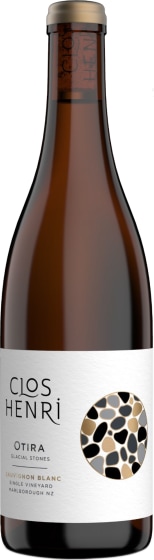
Crisp whites carry a party through appetizers and light bites. Their high acidity and clean citrus keep the palate fresh, so guests can sip for hours without fatigue. Sauvignon Blanc leads this lane with grassy, zesty energy that wakes up salads and seafood.
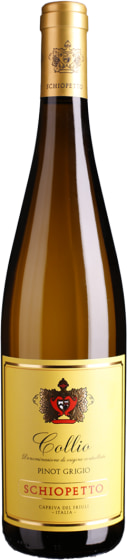
Pinot Grigio, or Pinot Gris as it is known in France and Alsace, offers a softer, pear-toned alternative for milder palates. Between the two, you cover the guests who want a citrus jolt and those who prefer something gentle.
Chardonnay anchors the richer white lane. Where crisp whites feel lean and quick, these wines bring weight, a creamy texture, and flavors of baked apple and toasted nuts. Much of that richness comes from time in oak, and good barrels are expensive.
New French oak barrels run $1,200 or more each, a cost that shows up in a step-up bottle and buys the rounder style the Chardonnay crowd expects. A textured white like this also stands up to richer holiday plates such as roast turkey and buttery sides.
Arroyo Grande Valley, Central Coast, California ● Chardonnay
96 Jeb Dunnuck
96 Vinous
95 Decanter
95 Robert Parker
93 Wine Spectator
Sold Out - was $75.00
4. Easygoing Reds Everyone Enjoys
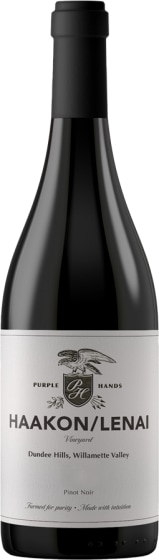
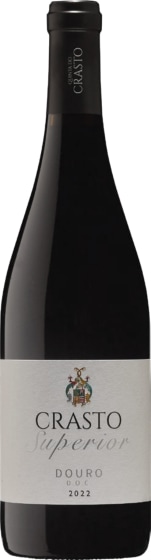
Pinot Noir is the red that even non-red drinkers tend to enjoy. Its light body, silky texture, and red-berry fruit make it approachable without feeling thin. An easygoing red blend works the same way, smooth enough for casual sipping yet flexible at the table.
These reds pair happily with charcuterie boards and herb-roasted chicken alike. Pour one for the guest who claims to drink only white, and watch them come back for a second glass.
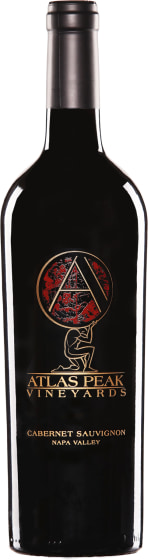
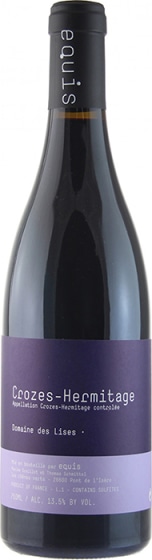
Cabernet Sauvignon is built for guests who want a red with grip and depth. Firm tannins, dark fruit, cedar, and a hint of cocoa give it the structure big-red drinkers look for. Syrah, labeled Shiraz in Australia and much of the New World, brings similar boldness with a peppery, savory edge.
Both stand up to the heartiest dishes on the table, whether prime rib or braised short ribs. Set them near the main course, where richer food softens the tannins and lets the fruit show.
Riesling in its off-dry form is the quiet hero of a mixed spread. A touch of sweetness balanced by lively acidity keeps it refreshing rather than cloying, so it never reads as a lesser choice. Off-dry Riesling also tames spicy dishes and salty snacks that can fight a dry wine.
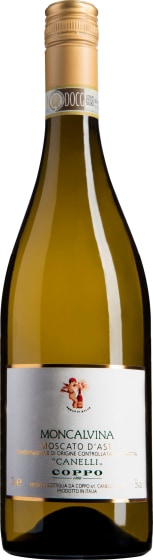
Moscato offers a lighter, lower-alcohol option with floral, peachy charm for guests who lean sweet. One gentle, slightly sweet bottle means the sweeter palates feel just as considered as everyone else.
A good spread is half selection and half logistics. These are the numbers and moves that keep glasses full and every guest included.
How Much to Buy - plan about one bottle for every two guests at a two- to three-hour party, then add a few extra for a longer night
Spread the Styles - split your count across the six lanes, weighting bubbles and easy reds a little heavier since they empty fastest
Serving Temperatures - chill sparkling to 40–45°F, whites to 45–50°F, and reds to a cool 60–65°F rather than warm room temperature
Match the Menu - pour the crisp white and bubbles with light bites, bring out the bold red for richer mains, and save the off-dry pick for dessert
For Non-Drinkers - keep a non-alcoholic or low-ABV option ready so guests who skip wine still have something festive in hand
Holiday Party Wine Questions, Answered
How Many Bottles Of Wine Do I Need For My Guest Count?
A reliable starting point is one bottle for every two guests at a party lasting two to three hours. A standard bottle pours about five glasses, so that math keeps most people supplied with two to three servings. For a longer evening or a heavier-drinking crowd, add roughly one extra bottle per two guests. It is always safer to have a few too many than to run short mid-party, and unopened bottles keep for the next occasion.
How Do I Please Guests Who Like Very Different Wines?
The trick is range, not a single perfect bottle. Offer a few clear lanes: something sparkling, a crisp white, a richer white, an easy red, a bolder red, and one off-dry option. That short spread covers nearly every preference in a typical room. Guests get to choose what suits them, which feels more generous than deciding for them.
Should I Serve Both Red And White?
Yes, and ideally a little more variety than just those two. A mixed crowd almost always includes people who prefer white, people who prefer red, and a few who want bubbles or something sweet. Serving both red and white is the baseline, and adding sparkling plus an off-dry bottle rounds out the coverage. Keep whites chilled and reds slightly cool so each shows at its best.
What Should I Offer Guests Who Don't Drink Wine?
Always keep a few non-wine options on hand so everyone feels welcome. Sparkling water, a non-alcoholic sparkling wine, or a simple mocktail all work well and feel festive in a nice glass. Low-alcohol choices like a light beer or a spritz make good middle ground too. The goal is that no guest is left holding an empty hand while others toast.
Bringing Holiday Party Wines Home
The winning strategy for holiday party wines for mixed tastes is coverage, not a single crowd-pleaser. Pour across a few style lanes, keep one off-dry bottle for the sweeter palates, and set out a non-alcoholic option so no one is left out. Match your bottle count to your guest list, and you will spend the night hosting instead of refilling frantically.
Wine.com makes building that spread simple, with the world's largest selection of over 16,000 wines across every style your guests might reach for. Whether you need a case of bubbles or a single standout red, the range is there to shop in one place.
Set your guest count, pick a bottle or two from each lane, and let the party pour itself. Browse Holiday Party Wines at Wine.com to pull the whole spread together.