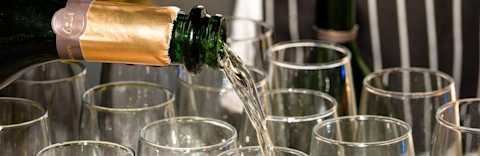
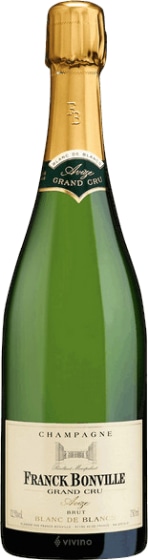
Grower Champagne is Champagne grown, made, and bottled by the same estate that farms the vines. It forms a small, producer-driven corner of the wider Champagne collection, and its wines include chalk-driven Chardonnay, structured Pinot bottlings, and bone-dry, low-dosage cuvées. That range, tied to specific villages and small holdings, has earned growers a devoted following among drinkers who read labels closely.
Grower Champagne at a Glance
Growers make up only a small share of the Champagne that reaches export markets, even though hundreds of them farm the region. Most bottles sold abroad come from large houses that buy fruit from thousands of growers and blend it into a consistent house style. A grower does the opposite: it farms its own parcels, then makes and bottles the wine from that fruit alone.
Single ownership changes the incentives behind every bottle. When one family controls farming, harvest timing, and blending, the wine reflects specific sites, not a brand's target flavor. That link between grower and ground is the category's whole appeal.
How to Read a Grower Champagne Label
The label tells you who actually made the wine, printed as a two-letter code before a small registration number. RM stands for récoltant-manipulant: a grower who makes Champagne from its own fruit. NM stands for négociant-manipulant, the code for houses that buy grapes or base wine, which covers most famous names.
CM marks a cooperative that pools members' fruit into shared cuvées. Two rarer codes turn up occasionally: RC is a grower selling wine made at a co-op, and MA is a buyer's own label that says nothing about origin. The code sits in fine print near the bottom edge, next to the registration number that identifies the producer.
Why People Prefer It
People prefer grower Champagne because it tastes like a place rather than a brand. When the same hands farm the vines and make the wine, the result can reflect a village, a slope, or even a single parcel. Many growers work their soils carefully and pick by hand, which lets site character carry through to the glass.
The RM code is not a quality guarantee on its own, and that nuance matters. Plenty of houses and cooperatives make superb Champagne, and some growers do not. The code tells you where a wine comes from, not that it is good.
A Note on Dosage
Many growers favor low-dosage styles that add little or no sugar, letting acidity and fruit set the tone. For how those categories break down, see our Extra Brut Champagne guide.
How Grower Champagne Tastes
Grower Champagne tastes like the ground it grows on, and in Champagne that ground is chalk. The region's porous, calcium-rich subsoil drains well but still holds water for the vines, which shapes a taut, mineral character that runs through many growers' wines. Time on the lees adds another layer, building notes of pastry and toasted nuts as the wine ages before release.
The grape mix sets the frame you taste first. A Blanc de Blancs made entirely from Chardonnay leans bright with green apple and lemon zest, closing on a saline, chalky finish. A Blanc de Noirs, white wine pressed from the red grapes Pinot Noir and Pinot Meunier, runs deeper, showing red apple, wild strawberry, dried orange peel, and a rounder weight.
Low-dosage bottlings push this contrast further. With little sugar to soften the edges, you taste the wine's structure directly: firm acidity and a chalky grip that dries the finish. Pour one a touch warmer than you think, and the aromas widen from tight citrus into pastry, toasted nuts, and baked apple.
Grower Champagnes to Know (by Style)
Three style families cover most of what growers bottle. Each begins with a different grape or dosage choice, and each expresses terroir in its own way.
1. Blanc de Blancs (Côte des Blancs Chardonnay)
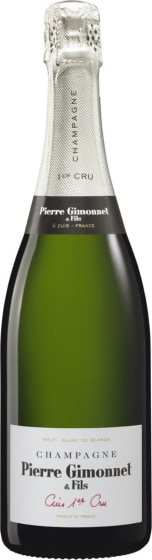
Blanc de Blancs is Champagne made only from Chardonnay, and in the Côte des Blancs it comes from deep chalk that gives the grape its clearest voice. The wines are precise and citrusy, built around a long, mineral finish. Pierre Gimonnet, a family grower in Cuis, shows the style's balance of orchard fruit and cool restraint across its premier and grand cru holdings. At the benchmark level the wines gain more chalky depth, while accessible bottlings still deliver that bright, saline signature.
-
Champagne, France ● Non-Vintage
-
92 James
Suckling -
92 Robert
Parker
-
Champagne, France ● Non-Vintage
-
94 James
Suckling -
93 Wine
Spectator -
92 Wine
Enthusiast -
91 Decanter
-
90 Jeb
Dunnuck
2. Blanc de Noirs (Montagne de Reims & Aube Pinot)
Blanc de Noirs is white Champagne pressed from red grapes, mainly Pinot Noir and Pinot Meunier. In the Montagne de Reims and the Aube, that gives a fuller, more structured wine with red-fruit weight and a savory edge. André Clouet, based in the grand cru village of Bouzy, farms old Pinot Noir on south-facing chalk and bottles a broad, powerful style. These wines reward a little air and pair well with food, holding their shape where lighter Champagnes fade.
-
Champagne, France ● Non-Vintage
-
93 James
Suckling -
92 Decanter
-
91 Robert
Parker
-
Champagne, France ● Non-Vintage
-
97 Decanter
-
91 Wine
Enthusiast -
90 James
Suckling -
90 Wine
Spectator
3. Brut Nature & Low-Dosage Growers
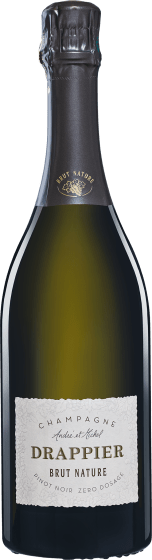
Brut Nature carries little to no added sugar, roughly 0–3 g/L, so nothing softens the wine's natural line. Extra Brut sits just above it and stays very dry. These bottlings put chalk and acidity front and center, which is why growers reach for them to show a site without makeup. Egly-Ouriet, a grand cru grower in Ambonnay, makes a benchmark Extra Brut that trades sweetness for depth and a long, saline finish.
-
Champagne, France ● Non-Vintage
-
Champagne, France ● Non-Vintage
-
96 James
Suckling -
95 Decanter
-
92 Robert
Parker -
91 Wine
Spectator
Grower Champagne at Every Price
Estate-bottled wines, where one producer grows and bottles its own fruit, command a premium over négociant blends because the grower controls the whole chain. That vertical integration costs more per bottle than buying grapes on contract. Price in grower Champagne tracks farming intensity and time in the cellar.
1. Accessible Growers (Under $50)
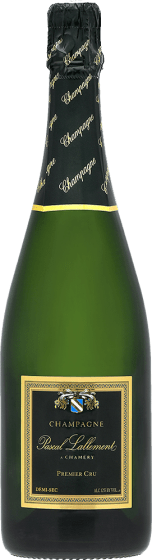
Under $50, grower Champagne competes directly with entry-level house bottles and often wins on character. These wines come from lesser-known villages or premier cru sites where land costs less than the grand crus. Pascal Lallement, a small premier cru grower, offers a direct, fruit-forward style that shows what the category does at its accessible end. This is the tier to buy by the case for everyday pours.
-
Champagne, France ● Non-Vintage
-
Champagne, France ● Non-Vintage
2. Benchmark Bottles ($50–$100)
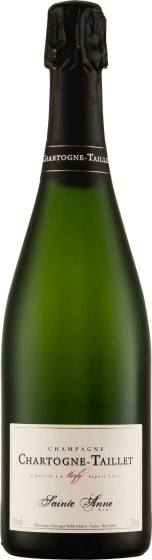
The $50–$100 range is grower Champagne's sweet spot, where grand cru fruit and longer lees aging meet fair prices. Chartogne-Taillet, based in Merfy at the northern edge of the region, farms old parcels and ages its wines on the lees for freshness and depth. Bottles here often print a disgorgement date, a sign the producer wants you to judge the wine by its age. This is where most enthusiasts settle in.
-
Champagne, France ● Non-Vintage
-
93 Jeb
Dunnuck -
93 Wilfred
Wong -
92 Robert
Parker -
92 Wine
Spectator
-
Champagne, France ● Non-Vintage
-
93 Wine
Spectator -
92 Jeb
Dunnuck -
92 Vinous
-
91 Robert
Parker
3. Collector-Tier ($100+)
Above $100, you reach single-vineyard cuvées and tiny allocations that rarely leave collectors' cellars. Hand-sorting at harvest removes 5–15% of the fruit, which lowers yield but concentrates what remains. Domaine Vouette et Sorbée, a biodynamic Aube grower, bottles single-parcel wines built to age for a decade or more. At this tier you are paying for scarcity and for farming that borders on obsessive.
-
Champagne, France ● Non-Vintage
-
Champagne, France ● Vintage
What to Eat with Grower Champagne
Grower Champagne is a dinner wine as much as an aperitif, and its dryness and acidity make it a flexible partner at the table. Fried food and sparkling wine sound like an odd match, but that same acidity slices through the fat and resets your palate. Match the style to the dish and it earns its place through the meal.
- Blanc de Blancs with raw bar and fried foods: its citrus and chalky acidity cut through brine and oil, refreshing the palate between bites
- Blanc de Noirs with roast chicken and charcuterie: the wine's red-fruit weight and structure stand up to richer, savory plates
- Brut Nature with sushi and shellfish: bone-dry and low in sugar, it keeps delicate seafood clean without competing
- Serving temperature 45–50°F: too cold mutes the aromas, so let the bottle warm slightly out of the fridge before pouring
- Glassware: use a white-wine glass rather than a narrow flute so the aromatics have room to open
Grower Champagne Questions, Answered
Why Do People Prefer Grower Champagne Over the Big Houses?
People prefer grower Champagne because it shows a specific place instead of a house style. Big houses blend fruit from many villages to keep their flagship taste consistent year to year. A grower works the reverse way, bottling wine from its own vines so the village and soil come through. For drinkers who chase terroir, that transparency is the draw. It also means more variety, since each grower's site and choices point in a different direction.
How Can I Tell If a Bottle Is Grower Champagne?
Look for the letters RM before the small registration number on the label. RM stands for récoltant-manipulant, the code for a grower who makes Champagne from its own fruit. Houses carry NM and cooperatives carry CM, so those codes rule a bottle out as grower Champagne. The code sits in fine print, often near the bottom edge. Once you know where to look, you can spot it in seconds.
Is Grower Champagne Better Than House Champagne?
Not automatically, and the honest answer is that it depends on the bottle. Grower Champagne offers terroir transparency and small-scale farming, which many drinkers value. The big houses, though, hold deep reserves and blending skill that deliver remarkable consistency. The RM code tells you how a wine was made, not that it is good. The best approach is to taste both and judge by what is in the glass.
Is Grower Champagne a Better Value?
Often, yes, particularly in the middle of the range where grower bottles rival house labels that cost more. Because the grower grows, makes, and bottles its own wine, you are paying for farming, not marketing. Entry-level growers give you real village character at an everyday price. At the high end, though, single-vineyard cuvées climb into collector territory and are priced accordingly. Value depends on the tier, but the middle is where growers shine brightest.
Where to Start with Grower Champagne
Start by reading the label: find the RM code and you have found a grower. From there, a Côte des Blancs Blanc de Blancs is the clearest first taste of chalk-driven Chardonnay. Once that style clicks, trade up to a single-vineyard cuvée to see how one parcel can define a wine.
Wine.com carries grower Champagne across every tier, including accessible premier cru bottles and allocated, collector-level cuvées. That range lets you build a tasting path at your own pace, comparing villages, grapes, and dosage side by side.
When you are ready to pour, Browse Grower Champagne at Wine.com and find a bottle that fits tonight's table. Whether you want an everyday sparkler or a cellar-worthy cuvée, the category rewards a close read of the label.