Buttery Chardonnay, Explained: Regions, Styles, and What to Buy
Buttery Chardonnay is California's signature white wine style: rich, creamy, and built around a texture that coats your mouth the way a great risotto does. The flavor comes from specific winemaking choices, not the grape itself, and California's best regions have spent decades perfecting the balance between richness and drinkability. This guide covers where that buttery character comes from, which California wine regions do it best, and what to buy at every price point.
What Gives Chardonnay Its Buttery Character
Two winemaking decisions create the buttery Chardonnay style: malolactic fermentation and oak aging. Every winemaker controls both variables independently, which means the spectrum runs from lightly creamy to full-on butter bomb. The combination of these two techniques, and how aggressively each is applied, determines whether a Chardonnay lands closer to fresh apple or warm croissant.
How Malolactic Fermentation Creates That Texture
Malolactic fermentation, often shortened to MLF, is a secondary fermentation that happens after the grape juice has already become wine. Bacteria convert the wine's sharp malic acid (the same acid that gives green apples their bite) into softer lactic acid (the acid found in milk). The result is a wine that feels rounder and creamier on your palate.
Here is the fun part. During MLF, a compound called diacetyl forms as a natural byproduct. Diacetyl is the exact molecule that makes butter taste like butter. When a Chardonnay undergoes full malolactic fermentation, diacetyl builds up and delivers that unmistakable buttery flavor. Winemakers can dial the effect up or down by putting only a portion of the wine through MLF, then blending the converted and unconverted lots back together. This technique, called partial malolactic fermentation, lets producers land anywhere on the butter spectrum they want.
At the premium end, winemakers often leave the wine on its spent yeast cells (called lees) after MLF finishes. The remaining yeast slowly consumes some of the diacetyl, which is why expensive buttery Chardonnays tend to taste creamy and layered rather than like buttered popcorn.
The Role of Oak in Building Richness
Oak barrels add a second layer of richness to buttery Chardonnay, contributing vanilla, toast, baking spice, and caramel flavors depending on the barrel type and how long the wine spends inside. New French oak barrels run $1,200+ per barrel, which is one reason oak-aged Chardonnays cost more than their stainless-steel counterparts.
French oak tends to deliver subtler flavors: vanilla, clove, and a fine-grained spice that integrates with the wine over time. American oak leans bolder, with more pronounced vanilla and sometimes a coconut-like sweetness. The toast level of the barrel matters too. Medium-toast barrels add vanilla and caramel notes, and heavy-toast barrels push toward coffee, smoke, and baking spice.
New barrels have the strongest impact on flavor. After a barrel has been used once, most of its extractable flavor is gone. By the fourth use, a barrel is considered neutral, meaning it still allows slow oxygen exchange (which builds texture) but adds little flavor of its own. The proportion of new versus neutral oak a winemaker uses is one of the biggest levers for controlling how oaky the finished wine tastes.
Where California's Richest Chardonnays Come From
A Chardonnay grown in foggy Carneros and one grown in sun-drenched Paso Robles start with completely different raw material, even though they share the same grape variety. Climate, soil, and proximity to the Pacific Ocean shape the fruit before any winemaking decisions enter the picture. These three regions produce the lion's share of California's buttery Chardonnay, each with a distinct personality.
1. Napa Valley and Carneros
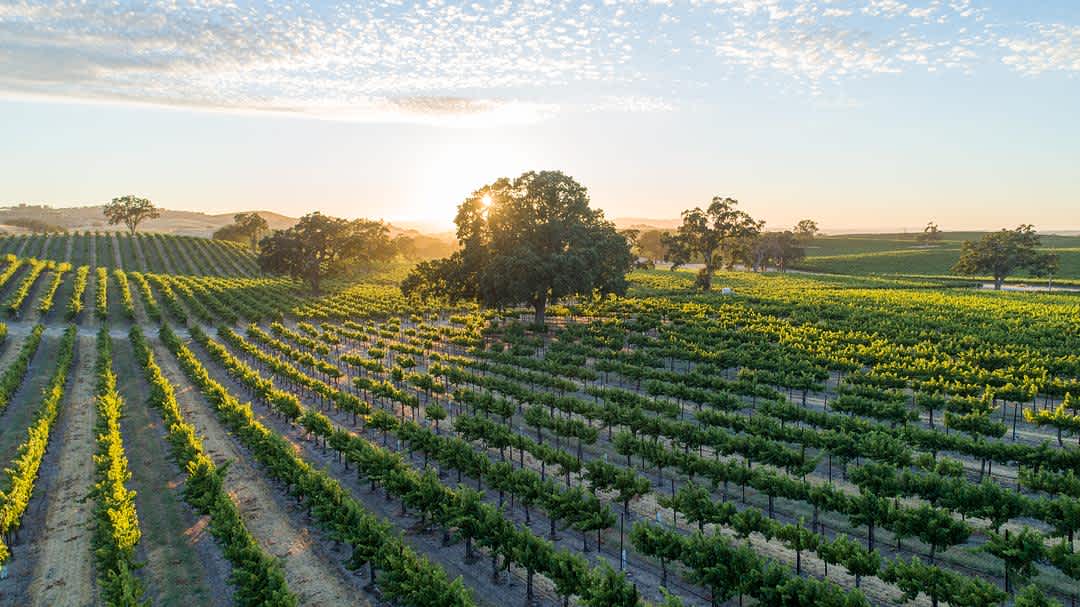
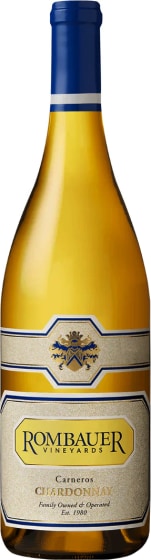
Carneros straddles the southern end of both Napa and Sonoma counties, sitting right where San Pablo Bay funnels cool fog and wind into the vineyards each morning. That daily cooling cycle lets the grapes hang longer on the vine, building ripe tropical fruit flavors without losing the acidity that keeps buttery Chardonnay from tasting flabby. Carneros has been a spiritual home for this style since the 1980s, and Rombauer Vineyards helped define the category by leaning into full MLF and generous oak. The result became a benchmark that an entire generation of California Chardonnay drinkers now measures other bottles against.
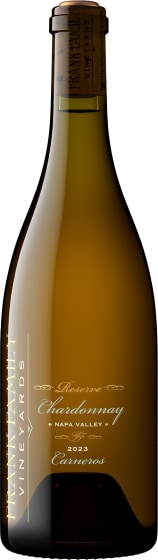
Frank Family Vineyards, also based in Napa, takes a similar approach with its reserve bottling, sourcing fruit from cool-climate sites and aging in French oak to build layered richness without losing freshness. The Carneros influence shows up in ripe stone fruit and a long, creamy finish that holds its shape through the last sip.
2. Sonoma County: Russian River Valley and Sonoma Coast
Russian River Valley sits in a thermal sweet spot where warm afternoons ripen Chardonnay grapes fully and cool morning fog preserves acidity. Wines from the warmer inland sites tend to be lush and oak-driven, with generous tropical fruit and baking spice. Sonoma Coast, which stretches along the Pacific, runs cooler overall. Chardonnays from this appellation often carry more citrus and mineral character alongside their creaminess, giving them a brighter, more tension-filled profile.
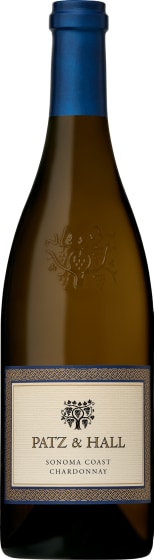
Sonoma-Cutrer has built its reputation on this kind of balanced richness from Sonoma Coast fruit. Patz and Hall, sourcing from cooler Sonoma Coast vineyard sites, layers oak influence with a pronounced acidity backbone that keeps the wine lively through the finish.
Russian River, Sonoma County, California ● Chardonnay
$29.97
$29.97
3. Central Coast: Paso Robles to Santa Barbara
The Central Coast covers an enormous stretch of California wine country, from Paso Robles in San Luis Obispo County down through Santa Barbara. For buttery Chardonnay, Edna Valley and Arroyo Grande are the sweet spots. Both sit close enough to the Pacific to receive regular fog and ocean breezes, which moderate temperatures and produce Chardonnays with ripe fruit and firm acidity in the same glass.
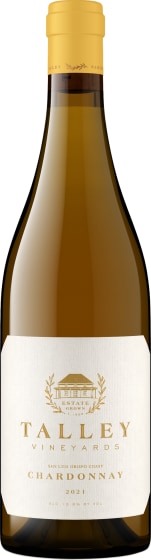
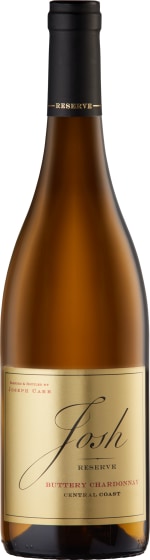
Talley Vineyards in Arroyo Grande has been farming Chardonnay here since the 1980s, and its estate bottling shows what the region does well: a creamy mid-palate grounded by coastal freshness. Josh Cellars labels its Reserve Chardonnay as "Buttery" right on the bottle, making it one of the most straightforward entry points into this style from the Central Coast.
The price difference between a $12 buttery Chardonnay and a $50 one comes down to three things: where the grapes grew, how the wine was aged, and how much fruit went into each bottle. Single-vineyard bottlings typically yield 1–2 tons per acre versus 4–6 tons for broader regional blends, which means fewer bottles per vineyard and higher cost per grape. Each tier has a distinct flavor profile and a natural occasion to match.
1. Everyday Pours: Under $20
Chardonnays in this range lean heavily on MLF for their buttery character and use a mix of new and neutral oak (or oak alternatives like staves and chips) to add vanilla and toast without the cost of an all-new-barrel program. The fruit usually comes from broader appellations, which keeps grape costs down. These wines deliver exactly what the label promises: straightforward, crowd-pleasing butter and oak.
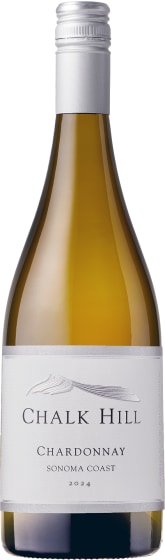
Bread and Butter built an entire brand around this flavor profile, sourcing from multiple California regions and putting the wine through full malolactic fermentation. Chalk Hill offers a step up in complexity at this price point, using Sonoma Coast fruit to add a layer of coastal freshness underneath the richness.
Sonoma Coast, Sonoma County, California ● Chardonnay
93 James Suckling
93 Tasting Panel
$19.97
$19.97
2. Midweek Upgrade: $20 to $40
This tier is where vineyard sourcing and oak programs start to separate from the pack. Producers at this price point typically source fruit from named appellations (Russian River Valley, Carneros, Edna Valley) rather than broad "California" designations. The oak is more likely to be French, and more of it new. The wines taste creamier and more layered, with secondary flavors like toasted hazelnut, lemon curd, and baking spice emerging alongside the primary fruit.
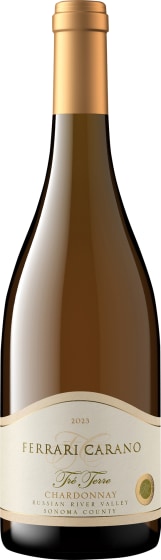
Ferrari-Carano's Tre Terre bottling draws from three distinct Sonoma vineyard blocks, blending them for complexity. Jordan Chardonnay, from Russian River Valley, balances oak richness with enough acidity to hold its own alongside roasted chicken or grilled fish.
Russian River, Sonoma County, California ● Chardonnay
93 James Suckling
$39.99
$39.99
3. Special Occasion: Over $40
At this level, you are paying for single-vineyard fruit, extended barrel aging (often 12–18 months in mostly new French oak), and small production runs that let winemakers sort and select only the best lots. The butteriness here tends to be more integrated: the diacetyl from MLF merges with oak-derived vanilla and lees-driven biscuit notes into a seamless, layered texture rather than hitting you with one dominant flavor.
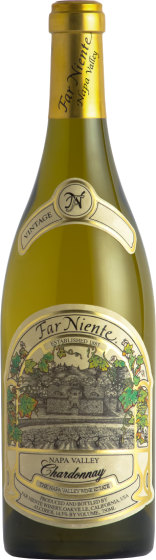
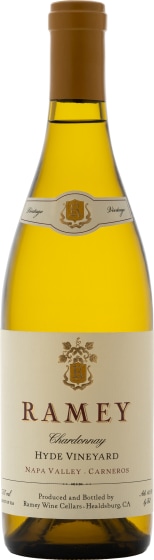
Far Niente, in Oakville, has been producing this style of premium Chardonnay since 1979. Ramey Wine Cellars takes a single-vineyard approach with its Hyde Vineyard bottling from Carneros, one of California's most respected Chardonnay sites, where vine age and meticulous farming concentrate flavor in every cluster.
Buttery Chardonnay pairs best with dishes that match its weight and richness. The wine's creamy texture and round acidity make it a natural companion for foods built around fat, butter, and umami.
Lobster with drawn butter -- The wine mirrors the butter sauce and adds baking spice and citrus as contrast
Roasted chicken with pan gravy -- A weeknight classic that lets the Chardonnay's oak and fruit flavors shine without competing
Fettuccine Alfredo or cream-sauced pasta -- The wine's acidity cuts through the cream, and the two share a similar richness on the palate
Grilled shrimp or seared scallops -- Seafood with caramelized edges picks up the toasty, vanilla notes in the wine
Corn chowder or butternut squash soup -- Creamy soups with a touch of sweetness echo the wine's round, full-bodied character
Mild, semi-soft cheeses like Brie or Havarti -- The cheese's fat content complements the wine's texture, and neither overpowers the other
Buttery Chardonnay Questions, Answered
Is Buttery Chardonnay Actually Sweet?
Most buttery Chardonnays are technically dry, meaning they contain very little residual sugar. The perception of sweetness comes from two sources: ripe fruit flavors (tropical fruit, baked apple) and the creamy, round texture created by malolactic fermentation and oak aging. Your brain interprets that richness as sweetness even when the sugar content is minimal. If a buttery Chardonnay tastes genuinely sweet rather than just rich, check the label for residual sugar or alcohol above 14.5%, which can amplify the perception of sweetness.
What's the Most Famous Buttery Chardonnay?
Rombauer Vineyards Chardonnay from Carneros holds that title. Since the 1980s, Rombauer has been the reference point for the full-bodied, oak-aged, MLF-driven style that most people picture when they hear "buttery Chardonnay." The wine goes through complete malolactic fermentation and ages in both new and seasoned French and American oak barrels, producing a rich, tropical-fruited wine with pronounced vanilla and butter notes. Its popularity created a template that dozens of California producers now follow.
Can You Cellar Buttery Chardonnay?
Most buttery Chardonnays drink best within two to four years of the vintage date. The oak and MLF flavors that define the style are at their most vibrant when the wine is young. Premium single-vineyard bottlings with strong acidity and concentrated fruit can develop in the bottle for five to seven years, gaining biscuity, honeyed complexity as the primary fruit softens. For everyday bottlings under $20, drink them within a year or two of purchase for the freshest expression of the style.
What's the Difference Between Oaked and Buttery Chardonnay?
All buttery Chardonnays involve oak, but not all oaked Chardonnays taste buttery. The buttery flavor specifically comes from malolactic fermentation and its byproduct, diacetyl. Oak contributes vanilla, toast, and spice, which complement and amplify the butteriness but do not create it on their own. A Chardonnay aged in oak barrels without going through MLF will taste toasty and spicy, but not buttery. The richest, most butter-forward examples use both techniques together: full malolactic fermentation for creaminess and new oak for depth and complexity.
Your Next Bottle
For a weeknight dinner, an under-$20 bottle from Bread and Butter or Josh Cellars delivers reliable buttery richness without overthinking it. When you are hosting friends, a Sonoma Coast or Russian River Valley Chardonnay in the $25–$35 range brings enough complexity to impress without requiring a wine lecture. For a birthday, anniversary, or any night that calls for something special, a single-vineyard bottling from Far Niente or Ramey shows what California Chardonnay can do at its absolute best.
Wine.com carries over 500 California Chardonnays across every price tier and region covered in this guide, from everyday crowd-pleasers to single-vineyard collector bottles. Sorting by style, region, or price makes it easy to narrow the field to exactly what you are looking for.