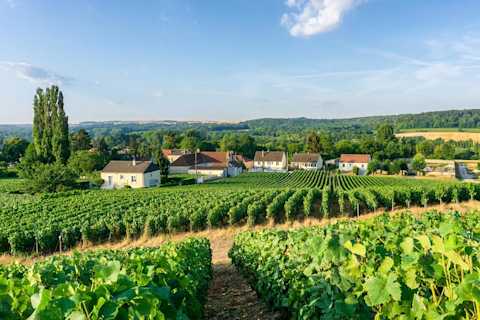
Burgundy might be the most confusing major wine region, and it is often the most mispriced. It is a place-driven region built on just two grapes, Pinot Noir and Chardonnay, where the label tells you more about the vineyard than about any winemaking recipe. Learn a little structure and your money goes much further, which matters when a single bottle can cost as much as a case of something else.
Why Burgundy Is Worth Knowing
Top Burgundy vineyards yield as little as 35 hectoliters per hectare, while regional appellations are allowed 60 or more. Less juice per vine means fewer bottles from the same patch of ground, and that scarcity sits at the root of the price. This is the first thing to understand before spending real money here.
Burgundy is also a mandated single-varietal region. Reds are 100% Pinot Noir, and whites are 100% Chardonnay. There is no blending grape to lean on, no Merlot to soften a firm vintage, no aromatic splash to lift a flat one. Everything the wine becomes has to come from the site and the person farming it.
That single-grape rule changes where the variation lives. In regions that blend, a producer can adjust the recipe year to year. In Burgundy the recipe is fixed, so the differences you taste trace back to soil, slope, drainage, and the choices made in the cellar. Two bottles of the same grape can taste like different wines because they came from vineyards a short walk apart. The payoff for learning the map is real: you stop paying for the name on the label and start paying for what is in the glass.
How the Classification Pyramid Works
Burgundy sorts its vineyards into four tiers, and those tiers do most of the pricing work. At the base sits Bourgogne, the regional level, drawn from wide zones and made in the largest volumes. Above it comes Village wine, named for a single commune and built from vineyards around that town. These two tiers cover most of what people actually drink, and they are where value hunting pays off.
The top two tiers are where scarcity takes over. Premier Cru wines come from specific named vineyards that have earned a track record over generations. Grand Cru sits at the peak: a small set of legendary parcels, each with its own name and reputation. As you climb, the vineyards get smaller and the bottles get rarer, so the price climbs with them.
Here is where it stops being proportional. Moving from Bourgogne to Village often doubles the quality for a modest bump in price. Moving from Premier Cru to Grand Cru can triple the price for a difference that is real but subtle. The steepest part of the curve rewards collectors and gamblers more than everyday drinkers. Know which part of the ladder you are shopping before you commit.
Why One Grape Tastes So Different Across the Map
The French word for a named vineyard plot is climat, and Burgundy has more than a thousand of them. Each climat is a distinct patch with its own soil depth, sun exposure, and elevation on the slope. A vineyard facing east warms gently in the morning, while one lower on the hill may hold water and ripen later. These small differences leave a fingerprint in the glass.
That is why one grape can taste so different from one row to the next. A Pinot Noir from a limestone-rich slope can show bright red fruit and a firm frame, while the same grape from richer soil nearby feels rounder and softer. The producer's hand matters too, but the site sets the terms. Learning a few key climats teaches you more about a wine than any label ever could.
Burgundy by Region
Burgundy stretches nearly a hundred miles from north to south, and the climate shifts along the way. Cool, northern Chablis makes lean, mineral whites, while the warmer south around the Mâconnais ripens Chardonnay into something rounder and riper. Knowing where a bottle sits on that map tells you a lot about how it will taste, and the full Burgundy collection spans every one of these zones.
1. Chablis
Chablis sits far to the north, closer to Champagne than to the rest of Burgundy. Its Chardonnay grows on ancient limestone and clay full of fossilized seashells, a soil that gives the wine its signature edge. Expect something lean and bracing, with high acidity and a stony, almost saline snap. Most Chablis sees little or no new oak, so the fruit and minerality stay front and center. It is the benchmark for cool-climate Chardonnay, and a reliable partner for oysters and other raw shellfish.
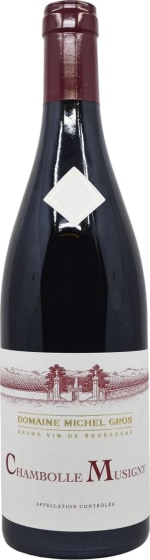
The Côte de Nuits is the northern half of the Côte d'Or, and it is red wine country. Nearly all of Burgundy's greatest Pinot Noir comes from this narrow strip of east-facing slopes. The wines tend to be structured and firm when young, built to age for a decade or more in the best cases. This is also where Grand Cru vineyards cluster most densely, packed into a handful of communes like Gevrey-Chambertin and Chambolle-Musigny. Even the village-level wines here carry real weight and can outclass fancier bottles from lesser zones. If you want red Burgundy that rewards patience, this is the first place to look.
Chambolle-Musigny, Cote de Nuits, Cote d'Or, Burgundy, France ● Pinot Noir
Sold Out - was $146.00
3. Côte de Beaune
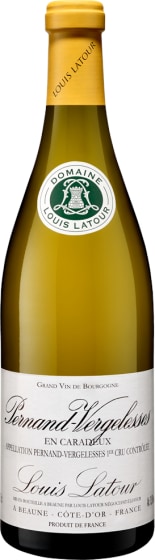
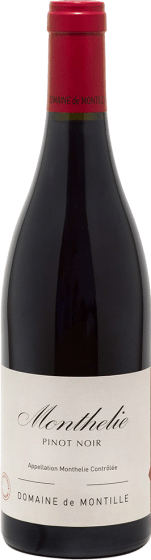
The Côte de Beaune is the southern half of the Côte d'Or, and it flips the script toward white wine. This is the home of the world's benchmark Chardonnay, grown on limestone slopes that give the wines both richness and cut. The best examples balance orchard fruit and toasted oak with a long, mineral finish. Reds are made here too, and they tend to be softer and more approachable young than their northern neighbors. Communes like Pernand-Vergelesses and Monthelie offer serious quality without the famous-name premium. For anyone learning white Burgundy, this is the core of the syllabus.
Monthelie, Cote de Beaune, Cote d'Or, Burgundy, France ● Pinot Noir
Sold Out - was $60.00
4. Côte Chalonnaise
Just south of the Côte d'Or, the Côte Chalonnaise offers much of the same character for less money. The slopes here are more scattered and the names less famous, which keeps prices in check. You still get honest village-level Pinot Noir and Chardonnay grown on similar limestone soils. The wines are usually meant to drink within a few years rather than to cellar for decades. For everyday Burgundy that tastes like the real thing, this is the value sweet spot.
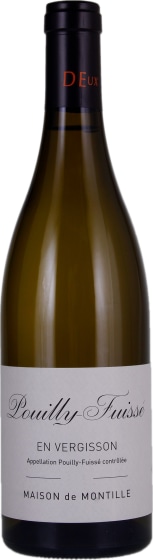
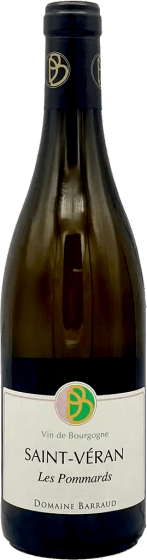
The Mâconnais is Burgundy's warm southern end, and it is almost entirely white wine country. The extra warmth ripens Chardonnay into a rounder, fruitier style that is easy to enjoy young. Prices stay friendly, which makes this the natural entry point to white Burgundy. The standout zone is Pouilly-Fuissé, which delivers richer, more structured whites that reward a little more spending. Saint-Véran nearby offers a similar profile for less. Chill a bottle and pour it with roast chicken or a soft cheese.
Pouilly-Fuisse, Maconnais, Burgundy, France ● Chardonnay
Sold Out - was $62.00
What to Spend on Burgundy
The gap between a $40 village bottle and a $300 Grand Cru comes down to scarcity, not a secret in the cellar. Both may be 100% Pinot Noir from the same broad region, but the expensive one comes from a tiny, storied vineyard that makes only a few hundred cases. The cheaper bottle draws from larger, less pedigreed plots that yield far more wine. If your priority is drinking well without overspending, the lower tiers hold most of the pleasure: our affordable Burgundy guide digs into where the smart money goes.
1. Village Wines
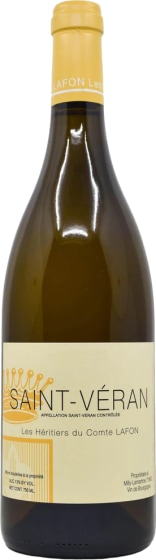
Village wines are where most people should start spending seriously, roughly in the $30–$60 band. The money buys typicity: a wine that tastes like its commune, made by a grower who knows the ground. A large, respected house like Louis Latour bottles village wines from across the region, which gives you a consistent read on each commune's house style. At this level you are paying for honest farming and a recognizable address, not for rarity. These bottles are meant to be opened within a few years, not buried in a cellar.
St-Veran, Maconnais, Burgundy, France ● Chardonnay
Sold Out - was $44.00
2. Premier Cru
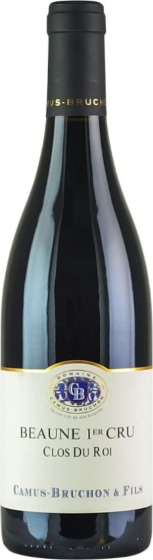
Premier Cru wines climb into the $60–$150 band, and the jump buys you a specific vineyard. Instead of a whole village, the grapes come from a single named plot with its own microclimate and track record. That focus shows up as more structure and a longer finish, with a clearer sense of where the wine is from. A négociant house like Louis Jadot works with Premier Cru sites across many communes, which makes it a handy way to compare one vineyard against another. These wines often need a few years in bottle to show their best, and the good ones can hold for a decade. This is the tier where site specificity starts to justify the premium.
Beaune, Cote de Beaune, Cote d'Or, Burgundy, France ● Pinot Noir
Sold Out - was $66.00
3. Grand Cru and Collectible
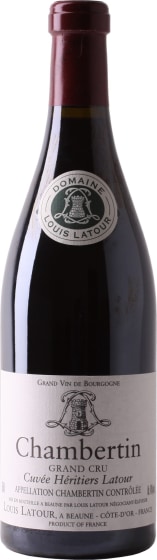
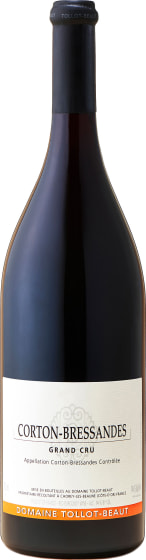
Grand Cru is the top of the ladder, starting around $150 and climbing well past it. The reason is simple arithmetic: top Burgundian domaines may release just 200 to 400 cases of a Grand Cru bottling to the entire global market. Demand for those bottles dwarfs the supply, so the price reflects the chase as much as the wine itself. A historic Beaune house like Bouchard Père & Fils holds parcels in several Grand Cru vineyards, which is one of the few reliable ways to find these wines at all. What you buy at this level is scarcity and time: the best examples need years or decades to unfold, and they reward patient cellaring. This is the realm of collectible Burgundy, and it makes sense only when you value aging potential and rarity over immediate drinking.
Aloxe-Corton, Cote de Beaune, Cote d'Or, Burgundy, France ● Pinot Noir
95 Vinous
95 Wine Spectator
94 Jasper Morris
Sold Out - was $220.00
Buying Burgundy With Confidence
Buying Burgundy well comes down to a few habits that protect your money. Vintage, timing, provenance, and storage each shift what a bottle is worth and when to open it.
Read the vintage as a buying tool: Burgundy's weather swings year to year, so vintage shapes both style and aging potential. Warmer years tend to drink sooner; cooler years tend to last longer.
Match drinking windows to the tier: Village wines usually show best within three to five years. Premier and Grand Cru bottles can need a decade or more.
Check provenance before you buy: For older or expensive bottles, ask how the wine was stored and where it came from. Consistent fill levels and a trusted retailer's storage history matter more than a bargain price.
Store bottles properly: Keep wine on its side in a cool, dark, stable spot, ideally around 55°F. Heat and temperature swings are the fastest way to ruin an age-worthy bottle.
This is where the price tiers pay off in practice. Spend at the village level for wines to open this year, and reserve Premier and Grand Cru money for bottles you are willing to wait on.
Burgundy Questions, Answered
What Are the Four Levels of Burgundy Classification?
From the bottom up, the ladder runs Bourgogne, Village, Premier Cru, and Grand Cru. Bourgogne is the regional tier, made in large volumes from wide zones. Village wines are named for a single commune, and Premier Cru wines come from specific vineyards within those communes. Grand Cru sits at the very top, drawn from a small set of legendary parcels. As you climb, the vineyards shrink and the prices rise.
How Much Do I Need to Spend to Get Serious Burgundy?
Serious, satisfying Burgundy starts in the $30–$60 village band, where a good grower delivers real character. The $60–$150 Premier Cru range buys single-vineyard focus and more aging potential. Above $150 you reach Grand Cru, where scarcity drives the price as much as quality does. For most drinkers, the village and Premier Cru tiers offer the best balance of pleasure and cost.
Should I Buy by Producer or by Appellation?
Producer first, almost always. Because Burgundy allows only one grape per color, the grower's farming and cellar work shape the wine more than the label suggests. A skilled producer makes a fine village wine, while a careless one can disappoint even from a Grand Cru vineyard. Learn a handful of growers you trust, then explore the appellations they work in. The name on the door tells you more than the name of the vineyard.
When Is Burgundy Ready to Drink, and How Do I Store It?
It depends on the tier. Village wines are usually ready on release and best within three to five years. Premier and Grand Cru wines often need a decade or more to show their best, so patience pays here. Store every bottle on its side in a cool, dark, stable place around 55°F. For older or pricey bottles, buy from a source that can vouch for how the wine was kept.
Where to Start With Burgundy
A few rules will carry you a long way here. Buy the grower before the appellation, since the person farming matters more than the name on the label. Look to village wines and the Côte Chalonnaise when you want the Burgundy experience without the Côte d'Or premium. Save the big spending for Grand Cru only when you genuinely value aging potential and rarity.
Wine.com carries Burgundy across every tier and sub-region covered here, from everyday Bourgogne to allocated Grand Cru. That range makes it easy to taste your way up the ladder at your own pace.
Ready to put this to work? Browse Burgundy at Wine.com and start with a village bottle or two before climbing higher.