Full-bodied red wine fills the mouth with weight and grip, the kind of pour that lingers well after you swallow. The category runs wider than most people expect, spanning familiar types of red wine like Cabernet alongside bold, lesser-known bottles built on grapes you may never have poured.
What A Full-Bodied Red Wine Is And Why It Matters
Pour a light Pinot Noir and a bold Cabernet side by side, and the difference shows up before you taste them. The Pinot feels light and quick on the tongue, while the Cabernet turns dense and holds on long after you swallow.
Body describes how heavy a wine feels in your mouth, and full-bodied reds sit at the weighty end of that scale. A few elements push a wine in that direction, and they usually reinforce one another.
Alcohol: Higher alcohol adds weight and a warming feel; full-bodied reds typically start around 14% ABV
Tannin: These compounds come from grape skins and seeds, drying the mouth and giving the wine grip
Dark Fruit: Blackberry, plum, and black cherry flavors read as richer and heavier than tart red-fruit notes
Oak: Time in barrel adds vanilla, baking spice, and a rounder texture that fills out the wine
None of these act on its own. A red with high alcohol but soft tannins can still feel plush instead of powerful, which is why balance matters as much as any single number.
The Signature Full-Bodied Red Varietals
A handful of grapes appear again and again when people talk about big reds. They earned that status by delivering steady structure and dark-fruit intensity across many regions and price points. Each one shifts character depending on where it grows.
1. Cabernet Sauvignon
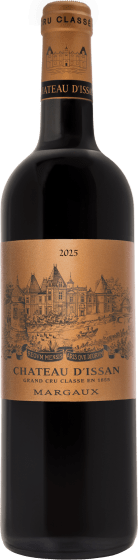
Cabernet Sauvignon sets the standard for bold reds. In Napa Valley it leans ripe and generous, with plush black fruit. In Bordeaux it turns firmer and more savory. The grape rarely stands alone at the top tier. Most premium Napa Cabernets include 5–15% Merlot, Cabernet Franc, Petit Verdot, or Malbec. Merlot softens the mid-palate and adds flesh, Cabernet Franc lifts the aroma, and Petit Verdot deepens color and tannin. These small additions round out Cabernet's firm frame and make the finished wine feel more complete.
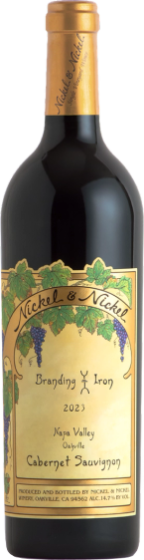
Oakville, Napa Valley, California ● Cabernet Sauvignon
99 Tasting Panel
96 Robert Parker
95 Jeb Dunnuck
95 James Suckling
94 Wine Spectator
$114.99
$114.99
2. Syrah / Shiraz
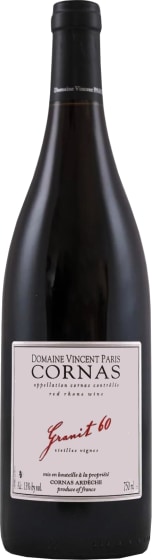
Syrah and Shiraz are the same grape with two names and two personalities. In the Northern Rhône, where it goes by Syrah, it turns structured and savory, with black pepper, cured olive, and dark berry. In Australia's Barossa, labeled Shiraz, the same grape ripens fuller and softer, with sweeter fruit and a plusher feel. Northern Rhône bottles reward patience and can taste challenging when young, while Barossa Shiraz tends to please right away. Both deliver serious weight and a peppery signature that marks the grape wherever it grows.
Barossa Valley, Barossa, South Australia, Australia ● Syrah/Shiraz
96 Australian Wine Companion
96 Robert Parker
Sold Out - was $120.00
3. Malbec
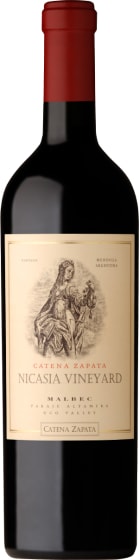
Malbec made its name in Argentina, but it started in south-west France. In the high vineyards around Mendoza, altitude cools the nights and helps the grape hold freshness alongside its dark, velvety fruit. The result feels smooth and rich, with softer tannins than Cabernet. Back in Cahors, its French home, Malbec turns darker and more rustic, with firmer grip and an earthy edge. Both styles are unmistakably bold, yet they show two very different faces of the same grape.
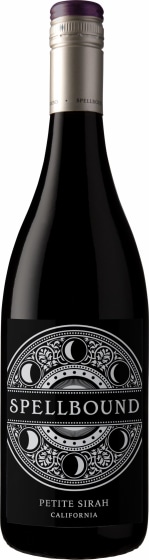
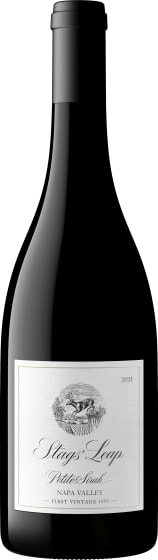
Petite Sirah, sold in some regions under its original name Durif, makes some of the darkest, most tannic wine in California. The grape descends from Syrah, which helps explain its inky color and firm structure. Expect chewy tannins and concentrated blackberry and blueberry flavor. It often plays a supporting role, adding color and backbone to softer reds. On its own, it becomes a mouth-filling wine for drinkers who want maximum intensity.
Once the big-name reds feel familiar, a second wave of grapes offers the same weight with new flavors. These bottles often cost less than famous-label equivalents because their regions fly under the radar. Each rewards drinkers who already know what they like and want to push a little further.
1. Tannat
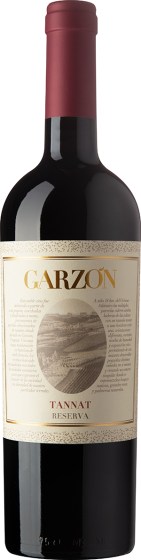
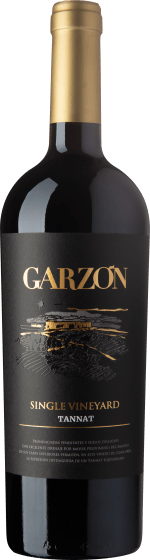
If Cabernet or Petite Sirah suits your taste, Tannat is the natural next step up in power. The grape comes from Madiran in south-west France, where it produces some of the most tannic red wine on earth. Uruguay later adopted it as a national specialty, and those bottles are the easiest to find and enjoy today. Uruguayan Tannat keeps the grape's massive structure but adds riper fruit and a rounder feel. Pour it with rich, fatty food that can stand up to the grip.
2. Southern Italian Reds (Nero d'Avola, Aglianico, Sagrantino)
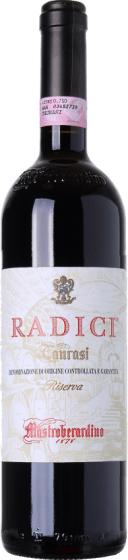
If you lean toward savory, structured reds, southern Italy delivers depth at fair prices. Sicily's Nero d'Avola brings warm, juicy dark fruit with a firm backbone, an easy entry point to the region. Campania's Aglianico is the serious one: a late-ripening grape with high tannin and bright acidity that ages for years, often bottled under the Taurasi name. Umbria's Sagrantino ranks among the most tannic grapes anywhere, worth seeking once you crave more grip. These wines pair naturally with tomato-rich, herb-driven cooking.
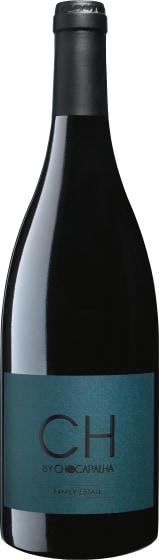
If you want bold and dark without spending much, Portugal is the smart move. Touriga Nacional is the country's flagship red grape, concentrated and perfumed, with firm tannin and deep color. Its spiritual home is the Douro Valley, the same region famous for Port, though it now shines in dry reds across Portugal. These wines offer real structure and a floral lift for the money. They reward anyone who likes Cabernet's weight but wants something less expected.
The difference between a $20 bold red and a $60 one usually shows up first in texture. The cheaper bottle often feels grippy and simple, while the pricier one carries finer tannins and more layers of flavor. That gap comes from real costs: older vines, lower yields, better barrels, and longer aging.
1. Everyday Bold Reds ($15–$30)
At this price, the goal is honest, everyday drinking, and plenty of regions deliver it. In Argentina, large producers like Trapiche built their name on affordable Malbec that punches above its cost. Value at this tier usually comes from bigger vineyards and higher yields, which lower the cost per bottle without giving up ripe, dark fruit. Southern France and Spain compete hard here too. Expect friendly tannins and juicy flavor made for weeknight meals.
This is where bold reds gain polish, and it is where most confident buyers tend to live. Much of the added cost goes into oak: a single new French oak barrel runs about $1,200 or more, and premium reds often spend 12–24 months aging in them. That time softens tannins and layers in vanilla, spice, and a rounder texture. In Australia's Barossa, houses like Penfolds show what the tier delivers, with concentrated reds built to age. Bottles here taste finished rather than raw.
Barossa Valley, Barossa, South Australia, Australia ● Syrah/Shiraz
91 Robert Parker
91 Vinous
Sold Out - was $41.00
3. Special-Occasion Bold Reds ($75+)
At the top tier, you pay for wines built to improve for years, not simply to drink tonight. Most premium California Cabernet enters its peak drinking window 8–15 years from the vintage, so these bottles reward patience. In Napa, cult labels like Screaming Eagle define the ceiling, with Cabernet meant for the cellar and not the weeknight table. If you open one young, decant it well; if you can wait, the reward grows. Buy these to lay down and open on a night that matters.
Oakville, Napa Valley, California ● Cabernet Sauvignon
97 Tasting Panel
95 Jeb Dunnuck
93 Robert Parker
$140
$116.99
Bold Reds At The Table
Bold reds show their best with a little preparation and the right food. Serve them too warm and the alcohol dominates; serve them too cold and the tannins turn harsh.
Temperature: Serve fuller-bodied reds around 60–65°F, slightly cooler than a typical room
Decanting: Give young, tannic bottles 30 to 60 minutes of air to soften and open up
Glassware: Use a large bowl that lets the wine breathe and gathers its aroma
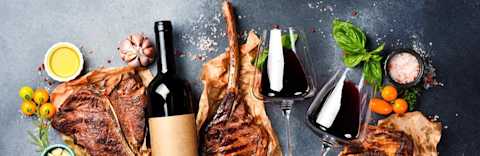
Food is where these wines come alive. Their tannin and weight need fat and protein to push against, which is why steak and bold reds became a classic match.
Grilled Red Meat: Steak, lamb, and burgers meet their match in tannic reds that balance the fat
Hard Aged Cheese: Aged cheddar and pecorino stand up to the wine's grip and weight
Braised Dishes: Slow-cooked stews and short ribs echo the wine's dark, savory depth
Roasted Mushrooms: Earthy, umami-rich plates give a bold red a savory anchor
An unexpected match is dark chocolate with a bold red, and it works because both carry bitterness and a roasted, dark depth. Keep the chocolate high in cacao so its intensity meets the wine head-on.
Cold weather makes these wines especially satisfying, and a hearty winter menu gives them room to shine, as our full-bodied red wine winter meal guide lays out. Warm-weather cooking suits them just as well, since smoke and char love tannin, a pairing our bold red wines for summer barbecue guide covers in detail.
Bold Red Wine Questions, Answered
A few questions come up again and again about bold reds. The answers below cover what the term means, where to explore next, what to spend, and how to serve.
What Does Full-Bodied Red Wine Actually Mean?
Full-bodied describes how heavy and mouth-filling a wine feels, not how it tastes. The main drivers are alcohol, tannin, and rich dark fruit, usually backed by time in oak. A simple test helps: if a red feels closer to whole milk than to skim, it leans full-bodied. Most start around 14% alcohol and build from there. The weight should feel balanced, not just heavy.
If I Like Cabernet, What Bold Red Should I Try Next?
Start with Malbec if you want the same weight with softer, plusher tannins. If you crave more power, Tannat and Petite Sirah push the grip and intensity higher. For a savory change of pace, southern Italy's Aglianico or Portugal's Touriga Nacional deliver structure with new flavors. Each keeps the full body you already enjoy while opening a fresh set of aromas. Match the choice to your mood and the meal on the table.
What Should I Spend To Get A Genuinely Bold Red?
You can find a genuinely bold red for $15 to $30, especially from Argentina, Spain, and southern France. Spending $30 to $75 usually buys finer tannins, more oak influence, and greater complexity. Above $75, you are mostly paying for aging potential and limited production. For everyday drinking, the sweet spot delivers the most satisfaction per dollar. Save the top tier for bottles you plan to cellar or open on a special night.
What Foods And Temperatures Suit Bold Reds Best?
Serve bold reds around 60 to 65°F so the fruit stays in balance with the alcohol. They shine with fatty, protein-rich food: grilled steak, lamb, braised short ribs, and aged cheese. The tannin balances the richness while the wine's weight matches the plate. Give young, tannic bottles time to breathe before serving. A short rest in a decanter can make a real difference.
Your Next Bottle
Keep a simple map in mind as you shop. Reach for classics like Cabernet and Malbec when you want a sure thing, turn to Tannat or a southern Italian red when you feel adventurous, and lean on the $30 to $75 sweet spot when you want the best mix of quality and value. Match the bottle to the night, not just the price.
That range is easy to explore in one place. Wine.com offers the world's largest wine selection, more than 16,000 bottles, backed by expert curation that surfaces the ones worth your attention.