The Essential Pinot Noir Guide: Regions, Styles, and Bottles Under $30
Pinot Noir is one of the most widely planted red grapes in the world, yet finding a good bottle under $30 can feel like a puzzle. The grape grows in a wider range of climates than its Burgundian reputation suggests, and that geographic spread is exactly what makes the under-$30 tier worth exploring.
Why Pinot Noir Stands Out
Pinot Noir is a thin-skinned grape that buds early, ripens unevenly, and demands careful attention in the vineyard. Those traits make it expensive to grow well, which is why the grape's reputation often skews toward pricier bottles. But the under-$30 category is larger and more rewarding than most buyers expect.
Two factors explain most of the price gap between a $15 Pinot Noir and a $50 one. The first is yield: how many grapes each vine produces. Top vineyards in Burgundy harvest a significantly smaller crop per vine than large-production sites, which means higher cost per bottle. Wines under $30 come from vineyards that produce more fruit per acre, spreading the farming cost across a larger number of bottles.
The second factor is oak. New French oak barrels cost over $1,200 each and hold roughly 300 bottles of wine. At the sub-$30 level, producers use older barrels or shorter aging periods, which keeps barrel costs low while still giving the wine some of that smooth, rounded texture.
Many premium red wines include small proportions of supporting varieties to build structure and complexity. Pinot Noir is an exception in key regions: Burgundy and Oregon both mandate 100% Pinot Noir by law. In California and Chile, some producers do blend in small amounts of other grapes to add body or depth, though the label will still read "Pinot Noir" if it meets the minimum varietal requirement. Either way, the grape's character tends to come through clearly at every price point.
Pinot Noir by Region
Pinot Noir grows across four continents, but four regions stand out for delivering quality at the under-$30 price point. Each one produces a distinct style, so the region on the label tells you a lot about what to expect in the glass.
1. California
California is the largest source of sub-$30 Pinot Noir in the United States, with tens of thousands of acres planted across Sonoma, Monterey, and Santa Barbara counties. Large-scale producers source grapes across broad appellations, which keeps prices accessible while maintaining a consistent house style.
Expect riper, rounder wines with cherry, strawberry, light vanilla, and soft spice. California Pinot Noir tends to have a fuller body than its French counterparts, which makes it a forgiving match for a wide range of foods. This is the bottle you reach for on a weeknight when you want something easygoing alongside pasta or grilled vegetables. It also works well as a crowd-pleasing pour at a casual dinner party where guests have mixed wine preferences.
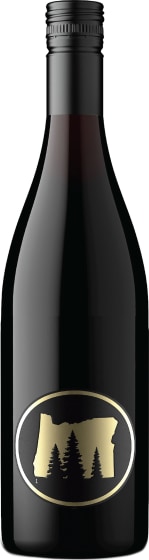
Oregon's Willamette Valley sits at roughly the same latitude as Burgundy, and the wines share a family resemblance. Volcanic basalt and marine sedimentary soils give the wines a mineral backbone, while cool temperatures preserve bright acidity through the growing season.
The style leans earthier and more structured: red cherry, cranberry, and a subtle forest-floor note. Sub-$30 bottles are harder to find here than in California, but entry-level bottlings from larger Willamette Valley estates make it possible. This is the bottle you bring to a dinner party, especially if salmon is on the menu. Oregon Pinot Noir and grilled salmon is one of the most celebrated food pairings in American wine, and it works just as well at the $25 level as it does at $50.
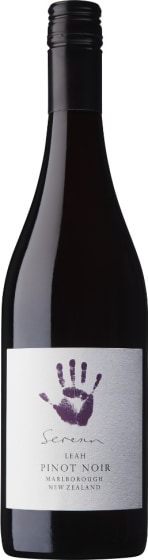
New Zealand entered the Pinot Noir conversation relatively recently, but its cool-climate vineyards have proven well suited to the grape. Marlborough offers the most accessible price points, while Central Otago delivers a bolder, more concentrated style at slightly higher prices.
Look for bright red fruit and an herbal lift. The combination of cool maritime air and long daylight hours gives New Zealand Pinot Noir a punchy, aromatic quality that sets it apart from Old World bottlings. This is the bottle for outdoor entertaining or for guests who usually drink white wine and want to try a lighter red. The bright acidity and lower tannin make it approachable even for people who think they don't like red wine.
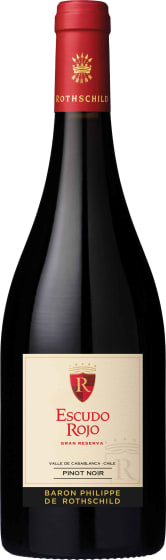
Chile's cool coastal valleys, particularly Casablanca Valley and San Antonio, produce lean, precise Pinot Noir at some of the most competitive prices in the world. The Casablanca Valley was developed in the 1990s as one of Chile's first coastal-influenced wine regions, adding fresh, cool-climate wines to a country better known for bold Cabernet Sauvignon.
Tart cherry, dried herbs, and fresh acidity define the style. These wines are lighter in body than California Pinot Noir and drink well slightly chilled. Reach for one alongside a charcuterie board, a light lunch, or as a first pour before moving to something bigger at dinner. Chile is one of the best places to start if you want to explore Pinot Noir without spending much.
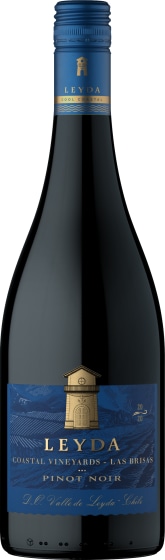
Leyda Valley, San Antonio Valley (Chile), Chile ● Pinot Noir
92 Vinous
Sold Out - was $19.99
What to Spend on Pinot Noir
The under-$30 range splits neatly into two tiers, and the differences between them are real. Knowing what each tier delivers helps you pick the right bottle for the occasion.
1. Under $20
Wines at this price come from grapes sourced across a large growing region, not a single farm or named vineyard. That scale is what keeps the price accessible. A producer like Meiomi, for example, blends fruit from several California counties to create a consistent, approachable style at volume.
Expect a lighter body, easy-drinking red fruit like strawberry and cherry, and minimal tannin. These are exploration wines: low risk, crowd-friendly, and ideal for casual occasions or for someone trying Pinot Noir for the first time.
At this tier, producers often source from a named valley or a single estate rather than blending across a whole state. That specificity adds complexity but also cost. An estate like Erath in Oregon's Willamette Valley, for instance, draws from its own vineyards, giving the wine a sense of place that broader blends cannot replicate.
The wines show more defined structure, brighter acidity, earthy or spice notes, and a light tannin grip that gives the finish more length. This is the tier for dinner parties, a bottle you would give as a gift, or a more intentional weeknight pour.
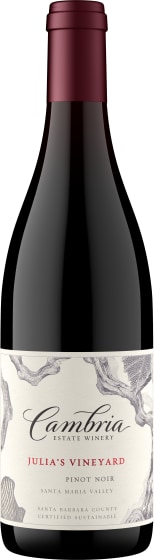
Santa Maria Valley, Central Coast, California ● Pinot Noir
93 James Suckling
90 Jeb Dunnuck
90 Vinous
90 Wine Enthusiast
$24.97
$24.97
What to Eat with Pinot Noir
Pinot Noir is one of the most food-friendly red wines you can open. Its lighter body and higher acidity let it pair with dishes that would overwhelm a heavier red.
Salmon and grilled fish: Pinot Noir's acidity and light frame make it one of the few reds that genuinely works with fish. Oregon and New Zealand styles are especially good here.
Roast chicken: The classic match. Every regional style of Pinot Noir pairs well with a simple roast chicken, which makes this combination a reliable default.
Duck and game birds: Slightly richer proteins hold up to the earthier California and Oregon styles without clashing.
Mushroom dishes: Earthy Pinot Noir echoes the savory depth of mushrooms. Think risotto, pasta, or grain bowls built around roasted or sauteed mushrooms.
Charcuterie and cured meats: Light body and acidity cut through the fat in prosciutto, salami, and pate without overwhelming delicate flavors.
Soft cheeses: Brie, Camembert, or a mild goat cheese alongside a lighter Pinot Noir is a crowd-pleasing appetizer setup.
What to skip: Heavy red-sauce pasta, beef stew, or boldly spiced dishes will overpower Pinot Noir's delicate frame. Save those meals for Cabernet Sauvignon or Syrah.
Serve slightly cool: Pinot Noir tastes best slightly below room temperature. A quick 15 minutes in the fridge before serving makes a noticeable difference.
Pinot Noir Questions, Answered
Why Is Pinot Noir More Expensive Than Other Red Wines?
Pinot Noir is a finicky grape that needs cool climates, careful vineyard management, and gentle handling in the winery. It buds early, making it vulnerable to spring frosts, and its thin skin means yields tend to be lower than sturdier varieties like Cabernet Sauvignon. The most sought-after growing sites, particularly in Burgundy, produce small quantities that command high prices. Sub-$30 bottles exist because producers source from broader regions and farm at higher volumes, passing the savings along.
What Does Pinot Noir Taste Like?
Most Pinot Noir delivers red fruit flavors: cherry, strawberry, and raspberry are the most common. The body is light to medium, which means it feels lighter in your mouth than a Cabernet Sauvignon or Malbec. The acidity is higher than in most red wines, which gives Pinot Noir a refreshing quality and makes it especially good with food. Regional differences matter, though. California Pinot Noir tends to be riper and rounder, with hints of vanilla from oak aging. Oregon versions lean earthier and brighter, with cranberry and herbal notes. New Zealand and Chile sit somewhere in between, offering bright acidity with a slightly herbal edge.
Is Pinot Noir Sweet?
Almost all Pinot Noir is a dry wine, meaning it contains very little residual sugar. The impression of sweetness that some people notice comes from ripe fruit flavors, not from actual sugar in the glass. If a wine tastes like ripe cherries, your palate may read that as sweetness even though the wine itself is dry. When in doubt, check the label or the wine's tech sheet for residual sugar levels, though for Pinot Noir this is rarely a concern.
Can I Find Good Pinot Noir Under $20?
Yes, especially from California and Chile. Producers in these regions can source fruit across large appellations and produce at high volumes, which keeps costs down. The wines at this tier are straightforward and approachable: bright fruit, soft tannins, easy to enjoy on their own or with simple food. These are not wines built for aging in a cellar, but they are well-made bottles for everyday drinking. Oregon Pinot Noir under $20 is less common, but a few labels, such as A to Z Wineworks and Wine By Joe, consistently deliver at that price point.
How Long Does Pinot Noir Last Once Opened?
Plan to drink an opened bottle within two to three days. Use a wine stopper and store it in the refrigerator to slow oxidation. Most Pinot Noir tastes best within 24 hours of opening, since its lighter body and delicate aromatics fade faster than fuller-bodied reds like Cabernet Sauvignon or Malbec.
Where to Start with Pinot Noir
There is no single right Pinot Noir under $30. The best choice depends on what you are eating, who you are sharing it with, and which regional style appeals to you most. A ripe, fruit-forward California bottle and a crisp, earthy Oregon pour are both excellent in their own context. Personal preference drives this decision, not price or prestige.
Try bottles from at least two different regions and both price tiers covered in this guide. Start with a California bottle under $20 to get comfortable with the grape, then compare it to an Oregon or New Zealand version in the $20-$30 range. The differences are striking, and they will tell you a lot about what you enjoy.
Wine.com carries Pinot Noir from every region and price tier covered here, making it easy to compare styles side by side. Browse Pinot Noir at Wine.com to find your starting point.