The wines insiders pour on a Tuesday night are often the cheap ones. They know which regions never charge a premium, which is how the cheap wines even snobs love end up tasting well above their price, usually under $20. That value runs across reds, whites, sparkling, and rosé from all over the map.
Why Some Cheap Wines Taste Expensive
An American oak barrel costs about $400, under half the price of a new French oak barrel. That gap is one reason some inexpensive wines taste like they should cost far more. A few real forces keep quality high and prices low.
First, some regions simply never built a luxury reputation, so they charge no marketing premium. The wine in the bottle can be excellent while the name on the label carries no hype tax. You pay for what is in the glass, not for a famous name.
Second, everyday bottles are usually regional blends pulled from many vineyards. These sites yield 4 to 6 tons of grapes per acre, compared with 1 to 2 tons for a single prized vineyard. Spreading the work across more fruit lowers the cost of every bottle.
Third, many value producers age their wine in neutral or American oak rather than expensive new French barrels. The wine still gains roundness and structure, but the maker saves real money on each bottle. Those savings land in your favor at the register.
The Value Wines Snobs Reach For
Walk into a good wine bar and the by-the-glass list is full of these regions. They are the bottles insiders drink when nobody is trying to impress anyone. Here are four that punch far above their price.
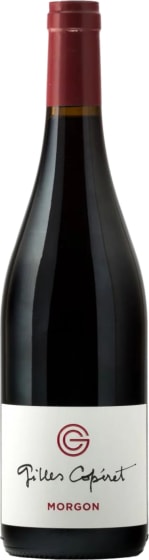
1. Beaujolais (Gamay)
Many drinkers still file Beaujolais under Nouveau, that fruity party wine rushed out each November. The serious bottles come from the Cru villages, and they are a different animal. Made from Gamay, they drink like a baby Burgundy for a fraction of the cost. Expect bright cherry, crushed raspberry, and a whisper of pepper. Chill them lightly and they turn an ordinary weeknight dinner into something better.
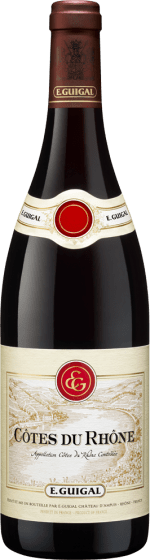
Côtes du Rhône blends Grenache (Garnacha in Spain), Syrah, and Mourvèdre into the everyday benchmark for value red, warm and peppery. For the full breakdown of styles and bottles, see our Essential Rhône Value Guide.
Cotes du Rhone Villages, Rhone, France ● Rhône Blends
92 James Suckling
$21.97
$21.97
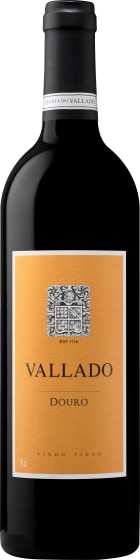
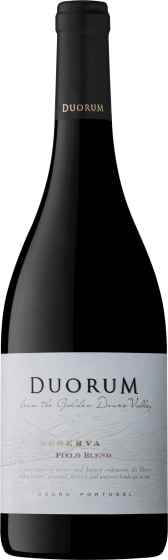
3. Portuguese Reds (Douro)
The Portuguese reds of the Douro use the same native grapes that go into Port, only here they are made bone dry. You get bold, structured reds full of blackberry, plum, dark chocolate, and a dusty note of dried herb. They stay cheap for a simple reason: the Douro has never leaned on marketing hype the way famous regions do. Pour one with anything off the grill and it holds its ground.
The name can trip people up, and Melon de Bourgogne, the grape behind Muscadet, does not exactly roll off the tongue. Get past the label and these Loire whites reward you with crisp, saline whites that sommeliers pour by the glass all week. They rarely break $20. Muscadet in particular tastes clean and briny, a natural with oysters and anything from the sea.
The value story does not stop at red. Some of the smartest buys on any list are white, pink, or full of bubbles. Four more styles prove the point.
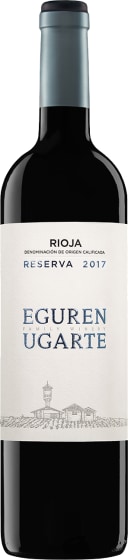
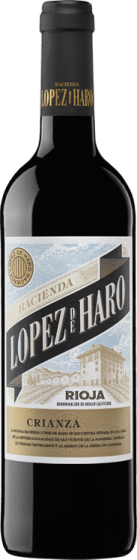
5. Rioja Crianza
Rioja built aging right into its rulebook. A wine labeled Crianza has spent time in oak and then more time resting in bottle before release, so it reaches you already smooth and ready to drink. The grape is Tempranillo, known as Tinta de Toro in some corners of Spain, and it gives you red cherry, vanilla, and a savory, leathery edge. Getting an aged red for under $20 is rare, which is what makes this one a quiet favorite.
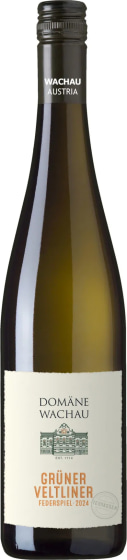
Austria's Grüner Veltliner is a wine-list darling that somehow stays easy on the wallet. It is dry and lively, with a signature white-pepper snap and a squeeze of citrus. The style ranges from light and everyday to richer and more serious, but the value bottles keep things bright and crowd-pleasing. If you like a crisp white with a little personality, this is your everyday pour.
Yes, it is not Champagne, and that is exactly the point. Sparkling wines like Cava from Spain and Crémant from France are made by the same traditional method as Champagne, where the bubbles form right in the bottle. That method gives them fine, steady bubbles and a toasty, bready character. The difference is the price, often a fraction of what the famous name costs. Keep a bottle in the fridge and you always have something ready to celebrate.
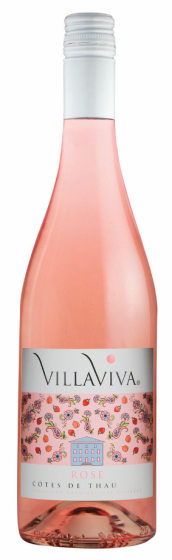
Pale, dry rosé from the south of France brings restaurant-list polish for under $20. Think strawberry, white peach, and a clean, mineral finish. This is not sweet pink wine; it is crisp and refreshing, built for warm afternoons and light food. Serve it well chilled and it makes almost any lunch feel like a small getaway.
None of these wines demand fuss, but a couple of small moves help them show their best. Serving temperature and the food on your plate do most of the work.
Chill your lighter reds - give Beaujolais and other bright reds 20 minutes in the fridge, and their fruit tastes fresher and livelier
Pair crisp whites with fried and salty food - the zippy acidity in Muscadet or Grüner Veltliner is a natural match for fried chicken, chips, and salty snacks
Reach for sparkling as your all-purpose partner - bubbles and bright acidity make Cava and Crémant work with almost anything, from popcorn to a full dinner
Cheap Wine Questions, Answered
How Can A Cheap Wine Taste Expensive?
It usually comes down to where the wine is from. Regions without a luxury reputation charge no marketing premium, so you pay for the wine instead of the name. Everyday bottles are also blended from higher-yielding vineyards, which spreads the cost across more wine. Many are aged in neutral or American oak rather than pricey new French barrels. Put those together and you get real quality at a low price.
Which Cheap Wines Actually Impress Wine Snobs?
The categories insiders reach for match the grapes, method, or aging of far pricier wines. Cru Beaujolais drinks like a lighter Burgundy for far less money. Muscadet and other Loire whites are sommelier staples that rarely pass $20. Grüner Veltliner and traditional-method sparklers like Cava and Crémant round out the short list. They earn respect because they taste like they belong at a much higher price.
What Should I Look For On The Label To Find Value?
Start with the region and the grape, because those two clues tell you the most. Underrated regions like the Douro, Rioja, and the Loire tend to offer more wine for the money than famous names. A specific village or district on the label, such as a Beaujolais Cru, usually signals a step up in quality. A term like Crianza even tells you the wine has been aged before release. When in doubt, an unfamiliar region is often where the best deals hide.
What Is A Good Cheap Wine Everyone Will Like?
For a crowd, lean toward bottles that are easy to love on the first sip. Juicy, low-tannin reds like Beaujolais please almost everyone, especially with a slight chill. Fruity or off-dry whites such as Grüner Veltliner keep things bright without being too dry. Sparkling wine is the safest group pick, since bubbles feel festive and go with almost any food. Any of these will keep a table happy without costing much.
Your Next Bottle
Keep a few moves in your back pocket. Reach for Cru Beaujolais at dinner when you want a red that pleases everyone. Keep a bottle of Cava chilled so you always have something for a celebration. And when a region sounds unfamiliar, treat that as a green light, not a warning, because that is where value tends to hide.
Value like this is easy to find when you have room to explore. Wine.com carries more than 16,000 wines, which leaves plenty of space to test-drive a new region every week.