Expanding your palate does not mean leaving behind the wines you already reach for. The fastest way to broaden your taste is to start from a bottle you enjoy and step one flavor over into something adjacent. Familiar ground makes the unfamiliar easy to judge.
Understanding How Your Palate Expands
Set a wine you know beside one you have never tried, and the two glasses teach you more than either would alone. Your palate reads the contrast instantly, flagging what feels familiar and what is genuinely new. That side-by-side habit is the single fastest way to learn what you actually enjoy.
Palates also adapt with exposure, so a taste that seems strange at first often becomes a favorite within a few bottles. Because you are always tasting against a reference you trust, the risk of exploring stays low. Each new wine comes with a built-in yardstick, which takes the guesswork out of the choice.
Adventurous wines often cost less than their famous counterparts and give you more in the glass. Many lesser-known grapes grow on old vines, and the labels Vieilles Vignes in France or Viñas Viejas in Spain usually mark vines of 35 years or more. Older vines dig deep for water and nutrients, carry less fruit, and pour more flavor into every cluster.
Single-vineyard bottlings push that concentration even further, yielding roughly 1–2 tons per acre against the 4–6 tons of a broad regional blend. Fewer grapes per vine and per acre means more flavor packed into each sip. A celebrated appellation adds cost to the label, yet an unfamiliar grape from a serious site gives you much of that depth for far less money.
Adventurous Whites To Try
The white wine aisle hides more range than most weeknight habits reveal. If you tend to pour the same bright bottle each week, three grapes can widen that lane without losing the crisp freshness you rely on. Each one keeps the easy-drinking quality you already like and adds a new layer of aroma or texture.
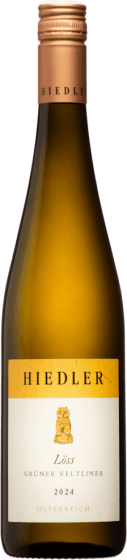
1. Grüner Veltliner, If You Reach For Pinot Grigio
If Pinot Grigio, also sold as Pinot Gris, is your reliable crisp white, Grüner Veltliner is the natural step over. Austria's signature white shares that same easy, refreshing appeal, then adds a savory kick of white pepper, citrus, and fresh garden herbs.
The best Austrian sites give it a peppery perfume and a stony, mineral snap that keeps every sip lively and clean. Serve it well chilled with lighter dishes, and you get the same weeknight ease you know, with a lot more going on in the glass.
Chardonnay fans who love a fuller white but could skip the heavy oak should meet Godello. This Galician grape nearly disappeared decades ago, and its revival brought back a wine with real weight, ripe stone fruit, and a clean mineral core.
Much of the finest Godello grows on old vines rooted in slate and clay, which is part of why it tastes so concentrated at a fair price. It can echo a fine white Burgundy in feel, giving you a richer, rounder glass that still finishes bright and fresh.
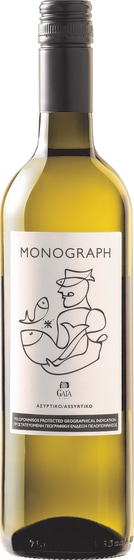
3. Assyrtiko, If Crisp Sauvignon Blanc Is Your Go-To
Crisp Sauvignon Blanc drinkers chase brightness and zip, and Assyrtiko delivers both with a character you cannot find anywhere else. Grown in the black volcanic soils of Santorini, it pours racing acidity alongside a salty, sea-spray tang.
The refreshment feels familiar the moment it hits your tongue, yet the mineral signature is entirely its own. Pour it very cold on a warm evening, and it wakes up your whole palate from the first sip.
Red wine holds just as much room to roam, especially if you have leaned on the same bold bottle for years. Some of these reds run medium-bodied and floral, others juicy and dark, and each links straight back to a red you already pour. The jump is smaller than it looks, and the payoff is a whole new set of flavors.
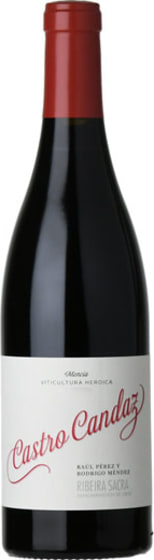
1. Mencía, If Napa Cabernet Is Your Comfort Zone
If Napa Cabernet is your comfort zone, Mencía offers a similar dark-fruit depth in a lighter, more agile frame. This northwest Spanish red grows on the steep slate slopes of Bierzo and Ribeira Sacra, layering blackberry over a floral, peppery lift.
Yes, it drinks lighter than a big Cabernet, and that is exactly the appeal, since the freshness makes it far easier to enjoy a second glass with dinner. Many of its vines are old and low-yielding on hillside plots, which packs real concentration into a wine that never feels heavy.
2. Nerello Mascalese, If You're A Pinot Noir Drinker
Pinot Noir drinkers love a red that is pale, perfumed, and built on finesse. Nerello Mascalese gives you exactly that, grown high on the volcanic slopes of Mount Etna in Sicily where cool nights preserve its delicate aromatics.
Expect bright cranberry and sour cherry, firm tannin, and a smoky, earthy note drawn straight from the volcanic soil. It drinks like a mountain cousin of red Burgundy, which makes it the obvious next frontier for a curious Pinot lover.
Malbec lovers go for plush, dark-fruited reds that please a crowd, and Zweigelt slots right into that role. Austria's most-planted red pours juicy dark cherry with soft, easy tannin, and a light chill makes it even more refreshing on a warm night.
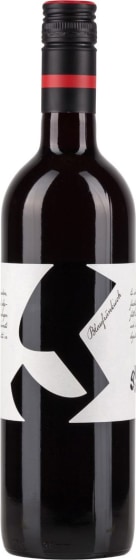
When you want to go a step deeper, reach for Blaufränkisch, the peppery parent grape of Zweigelt. It comes from the same country and price tier, trading some of that juicy charm for darker berry fruit and a spicy, savory edge.
Two whole categories get quietly filed away, one as too sweet and the other as strictly for celebrations. Off-dry Riesling and grower Champagne each deserve a regular place on your table. Both rewrite an assumption that is worth dropping for good.
1. Off-Dry Riesling, If You Think You Only Like Sweet Wine
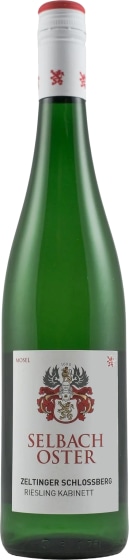
If Moscato is your safe zone, off-dry Riesling is the bridge that carries you toward drier wines. It keeps just a touch of sweetness, then balances it with racy, mouthwatering acidity so the wine never tastes cloying or heavy.
Sweetness in wine is a spectrum, not a single category, and German Riesling stretches across the whole range. This style sits comfortably in the middle, and its aromas of lime, lilac, and grapefruit make it one of the most food-friendly wines around.
2. Grower Champagne, If Prosecco Is Your Default Bubbly
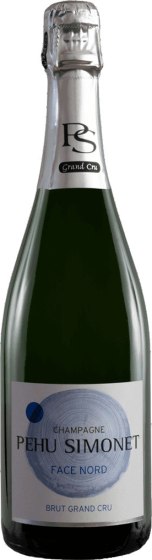
Prosecco is the breezy, easygoing default for bubbles, and grower Champagne is the upgrade worth making. These sparkling wines are made by the same estate that farms the grapes, so each bottle carries the clear stamp of one specific place.
Next to a large-house label or a simple Prosecco pour, growers give you more depth and a savory, bready complexity. Treat a bottle as an everyday step up, not a wine you hide away for a single toast.
The right dish can make an unfamiliar wine click into place. Use these pairings to see what each new style does next to your plate.
High-Acid Whites - pour Grüner Veltliner, Godello, or Assyrtiko with fried chicken, tempura, or creamy pasta to cut the richness
Lighter Reds, Slightly Chilled - give Mencía or Nerello Mascalese a short chill and serve at 55–60°F with roast chicken or mushrooms
Off-Dry Riesling With Spice - its touch of sweetness and bright acidity tame the heat in Thai curry, Sichuan noodles, or spicy fried rice
Sparkling Across The Meal - grower Champagne matches salty starters, fried mains, and a nutty cheese course with equal ease
Common Questions About Expanding Your Palate
What's The Best Way To Start Expanding My Palate?
Start from a wine you already love and step just one flavor over. Buy two adjacent bottles, one familiar and one new, then taste them side by side. The direct contrast shows you exactly what changes and what stays the same. That comparison teaches your palate faster than tasting either bottle on its own. Do this a few times, and your sense of what you like grows quickly.
If I Only Like Sweet Wine, What Should I Try First?
Off-dry Riesling is the ideal first step. It keeps a little of the sweetness you enjoy, then adds bright acidity that keeps the wine lively and clean. Sweetness runs along a spectrum, so you can move toward drier styles one small step at a time. Once off-dry feels comfortable, a fully dry Riesling becomes an easy next move. From there, most dry whites will feel far more approachable.
Are Lesser-Known Wines A Good Value?
Often, yes. Unfamiliar grapes and regions usually cost less because they carry no famous-name premium. Many also come from old vines with naturally low yields, which concentrates flavor in every bottle. You pay for what is in the glass instead of a famous name on the label. That combination is why exploring can save money instead of costing more.
How Do I Get The Most Out Of A Wine That's New To Me?
Slow down and taste with a little intention. Look at the color, breathe in the aromas, take a sip, and give yourself a moment to react. Tasting it next to a wine you already know sharpens what you notice. Food helps too, since the right dish can reveal flavors a wine hides on its own. A quiet minute of attention turns a new bottle into a real lesson.
Where To Start With Expanding Your Palate
You now have a short cheat sheet for your next order. Reach for a Grüner Veltliner the next time you would grab Pinot Grigio, and pour a Nerello Mascalese when you want a Pinot Noir with a volcanic streak. Try an off-dry Riesling before you write off sweet wine for good.
None of this takes much effort when the entire wine world sits in one place. Wine.com carries the world's largest selection, more than 16,000 wines, so every familiar bottle has an adventurous neighbor waiting a click away.
Pick one style that mirrors a wine you already love, and add its bolder cousin to the same order. Browse adventurous wines at Wine.com and start with a single side-by-side tasting this week.