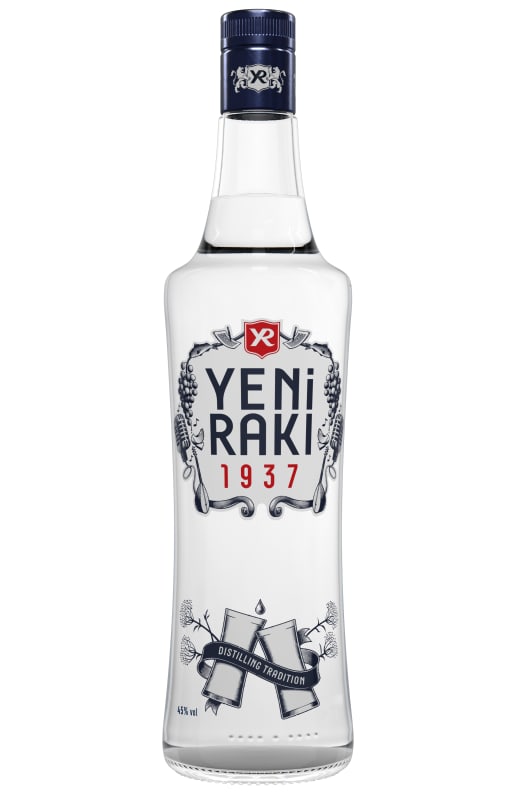


Distiller Notes
Raki has been in the Turkish consciousness for over 500 years. Distilled using grapes, raisins and aniseed, Raki was first referenced in literature in 1510. It was then widely distilled throughout the Ottoman Empire and it became known as Yeni Raki meaning "New Raki" to symbolize the coming of the new post-war era.
The rich heritage of Yeni Raki matches its rich flavor. With its tones of aniseed and distilled grapes, it is layered and dramatic. This flavor is created through a highly crafted distillation process. It is a skilled and timely process with the flavor and texture developing with each drop.
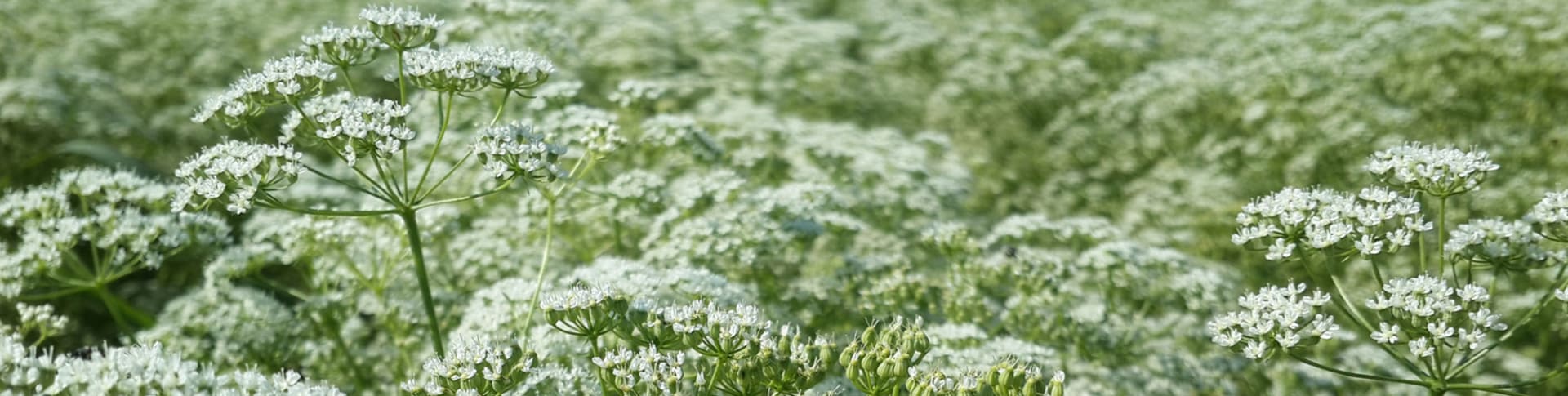




Yeni Raki, while a brand, has become synonymous with raki itself. Yeni Raki is an indispensable part of entertainment and dining culture as the most widely preferred and consumed Raki brand in Turkey. The production of Yeni Raki requires several types of fresh or dry grapes, quality anise, and water. The precursor of raki, "suma" is the name given to the fermented grape distillate. Yeni Raki is twice distilled grape "suma" (or "'suma" mixed with ethyl alcohol of agricultural origin) and aniseed rich in essential oil, in traditional copper stills of 5000 lt or less. 65% of the alcohol of the Yeni Raki comes from the grape distillate. Yeni Raki takes its unique taste from its "suma" processed from 20 different grape varieties in seven different distillation facilities. The main difference between Turkish raki and similar drinks produced in other countries rises from the anise seed. In all rakis produced by Tekel in the past and by Mey today, only green anise seeds grown in Western Anatolia bearing high essential oil are used. Raki is best enjoyed cold. Although some prefer raki straight, most choose to dilute it with cold water. However popular raki is in bars and night clubs, the drink owes its reputation mainly to the joyous tavern tables decorated with lots of mezes, Accompanying cheerful conversations among friends. Owing both to its drinking characteristics and the richness and depth of its meaning, raki is still one of the most powerful symbols of social life in Turkey.

First prepared by 13th century Italian monks as herbal medicines and elixirs, Liqueurs are distilled spirits that have been combined with flavoring agents. A range of herbs, spices, nuts, fruits and flowers can be used, and a sweetener such as sugar or corn syrup is often added. While typically rather sweet, some examples are herbaceous or tart and pair exceptionally well with desserts or act as a delightful addition to cocktails.