

Winemaker Notes
#4 Wine Spectator Top 100 of 2025
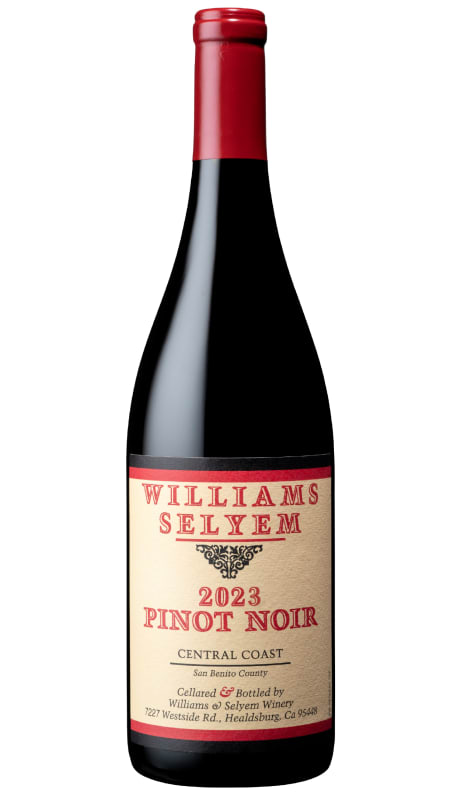
A dark, brooding counterpoint to our Westside Road Neighbors blend, the Eastside Road Neighbors Pinot Noir is sourced from vineyards that contribute to the dark fruit character of boysenberry and blackberry compote. Red spruce and dried mint leaf aromas add to the brambly character of this wine. It has dense tannins and medium acidity, which will pair well with rich braised meat dishes.
Professional Ratings
-
Jeb Dunnuck
The 2023 Pinot Noir Eastside Road Neighbors has a deeper red hue and a bit more of the warmth that comes from this side of the road, with more primary notes of black cherries, crushed flowers, mossy earth, and piney herbs. The palate has medium to full-bodied richness, ripe tannins, mouthwatering, ripe acidity, and a juicy feel.
-
James Suckling
Ripe blackberry and cool blue fruit aromas in this dense yet elegant full-bodied wine. Mouth-filling with fine, refreshing tannins. There is a brooding, brambly quality to the concentration and oak integration.
-
Wine Spectator
Captures the floral-laced purity of the vintage, with a beautiful beam of boysenberry and loganberry puree flanked with light briar and apple wood notes, all set against a hibiscus-, iris- and violet-filled backdrop. The succulent energy provides a great underpinning for it all.
-
Robert Parker's Wine Advocate
The 2023 Pinot Noir Eastside Road Neighbors is blended from several vineyards including Foss, Calegari and Williams Selyem’s Lewis MacGregor Estate Vineyard. Matured for 15 months in 64% new French oak, it has alluring aromas of blueberry, cranberry, oolong tea leaves, forest floor and dried herbs. The medium-bodied palate offers concentrated, spice-laced flavors structured by dusty tannins and bright, mouthwatering acidity, and it has a long, layered finish.


While the Russian River Valley is a large appellation with multiple climate zones and soil types, it is best known for cool-climate varieties, with Pinot Noir as the most celebrated. The grapes benefit from a reliable late afternoon flow of Pacific Ocean fog through the Petaluma Gap and along the Russian River Valley that ensures slow and steady ripening and the preservation of grape acidity. Today many of California’s most highly regarded Pinot Noir vineyards are in the Russian River Valley, along with its sub-appellation, Green Valley.
Historically Russian River Valley Pinot Noirs had bright red fruit and delicate earthy, mineral notes. But changes in viticultural and winemaking practices have led to stylistic changes in some of the region’s wines. Adjustments to canopy management, among other techniques, have resulted in riper fruit and bolder wines as well. These show flavors of black cherry, blackberry, cola, spice and darker, loamy earth tones, accenting traditional Pinot Noir notes of strawberry, raspberry and light cherry.