


Winemaker Notes
Deep cherry red with violet hues. The nose reveals black fruit, such as blackberries, blueberries and black cherries, intermingled with notes of pepper and spices, as well as damp earth and even some mineral notes, like graphite. In the mouth, this wine has vibrant body and is very fresh and tense. It is smooth on entry, with firm, velvety tannins and fresh acidity, which makes for a long, persistent finish.
This wine is excellent with game, such as venison and boar, as well as pork and lamb.
Professional Ratings
-
James Suckling
Currant, raspberry, rose petal and strawberry leaf on the nose. It’s medium-to full-bodied with firm, fine tannins and fresh acidity. Juicy, ripe and fruity with a rounded finish.
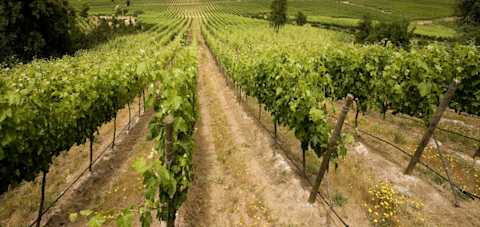
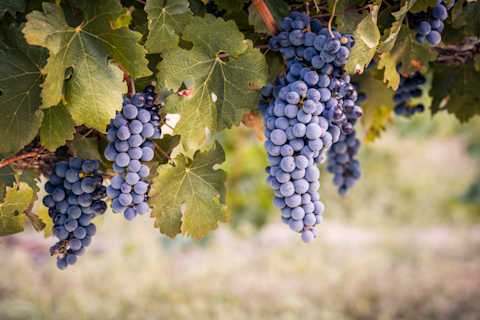
Dark, full-bodied and herbaceous with a spicy kick, Carménère found great success with its move to Chile in the mid-19th century. However, the variety went a bit undercover until 1994 when many plantings previously thought to be Merlot, were profiled as Carménère. Somm Secret— Carménère is both a progeny and a great-grandchild of the similarly flavored Cabernet Franc.
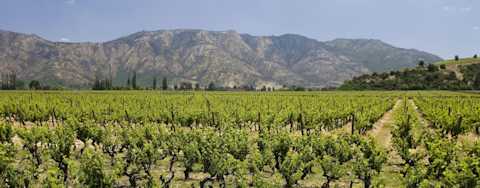
The Maipo Valley is Chile’s most famous wine region. Set in the country’s Central Valley, it is warm and quite dry, often necessitating the use of irrigation. Alluvial soils predominate but are supplemented with loam and clay.
The climate in Maipo is best-suited for ripe, full-bodied reds like Cabernet Sauvignon (the region’s most widely planted grape), Merlot, Syrah and Carmenère, a Bordeaux variety that has found a successful home in Chile.
White wines are also produced with great prosperity, especially near the cooler coast, include Chardonnay and Sauvignon Blanc.