


Winemaker Notes
Professional Ratings
-
Jeb Dunnuck
The flagship white is the 2021 Blanco, a blend of 85% Viura, 11% Garnacha Blanca, and splashes of Malvasía and Tempranillo Blanco. It's a much more serious white, with classy aromatics of honeyed stone fruits, leafy herbs, white flowers, and spice, as well as a touch of background minerality. It's balanced, medium-bodied, has a great mid-palate, and a layered, lengthy style that will shine on the dinner table.
-
Vinous
The 2021 Blanco, a blend of 85% Viura, 11% Garnacha Blanca, 2% Malvasía and 2% Tempranillo Blanco, emerges from Laserna in Laguardia, Rioja Alavesa. It was fermented and aged in French oak barrels, 20% new. This golden wine delivers enticing aromas of green apple and pear, complemented by fennel and jasmine perfume. Rich and creamy with a refreshing core on the palate, it lingers long with a pleasantly chalky texture.
-
James Suckling
Creamy toasted almond and marzipan with background notes of white fruit. Spicy and textured on the palate with a hint of wood tannins, that are more supportive than intrusive. Medium- to full-bodied. Fresh and well-balanced.
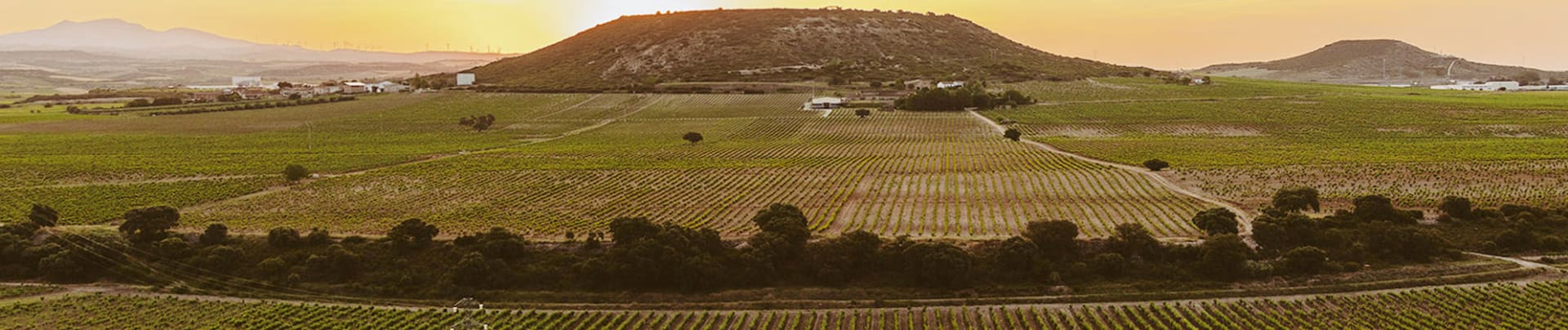


Viñas del Lentisco – Villota is a project owned, operated, and founded by Carmen Pérez-Garrigues and her father Ricardo Pérez-Villota, the fourth and third generations respectively of the Pérez-Villota family, a line of growers and vigneron that have been rooted to the San Rafael estate in Laserna, Laguardia, Rioja Alavesa on a meander of the Ebro Rivera since 1930. While their current bodega was founded in 2013, the Villota-Pérez family are one of the most important families in the 20th century history of Rioja.
In 1930, Ricardo Pérez-Pérez, native of Rioja, settled on the San Rafael estate in Laserna. At the time, the 160 Ha. estate was planted to vitis vinifera but was in considerable disrepair. It was Ricardo’s son, Ricardo Pérez-Calvet, an agricultural engineer by trade, who began recovery and resuscitation of the vineyard, and began producing wine for his own personal consumption. The family soon began selling grapes to local producers and quickly became one of the most important qualitative suppliers for Viña Real, CVNE’s Rioja Alavesa property.
In 1973, the Villota family cofounded Viñedos del Contino, Rioja's first single estate winery with José Ángel Madrazo and CVNE. The partnership remained for 40 years, until in 2013, the Pérez-Villota family left the partnership. The family’s inspiration is to continue their trajectory as vigneron and to continue and improve the tradition of vinification of honest and transparent wines that communicate the history of one of Rioja’s most historic and important vineyard estates.
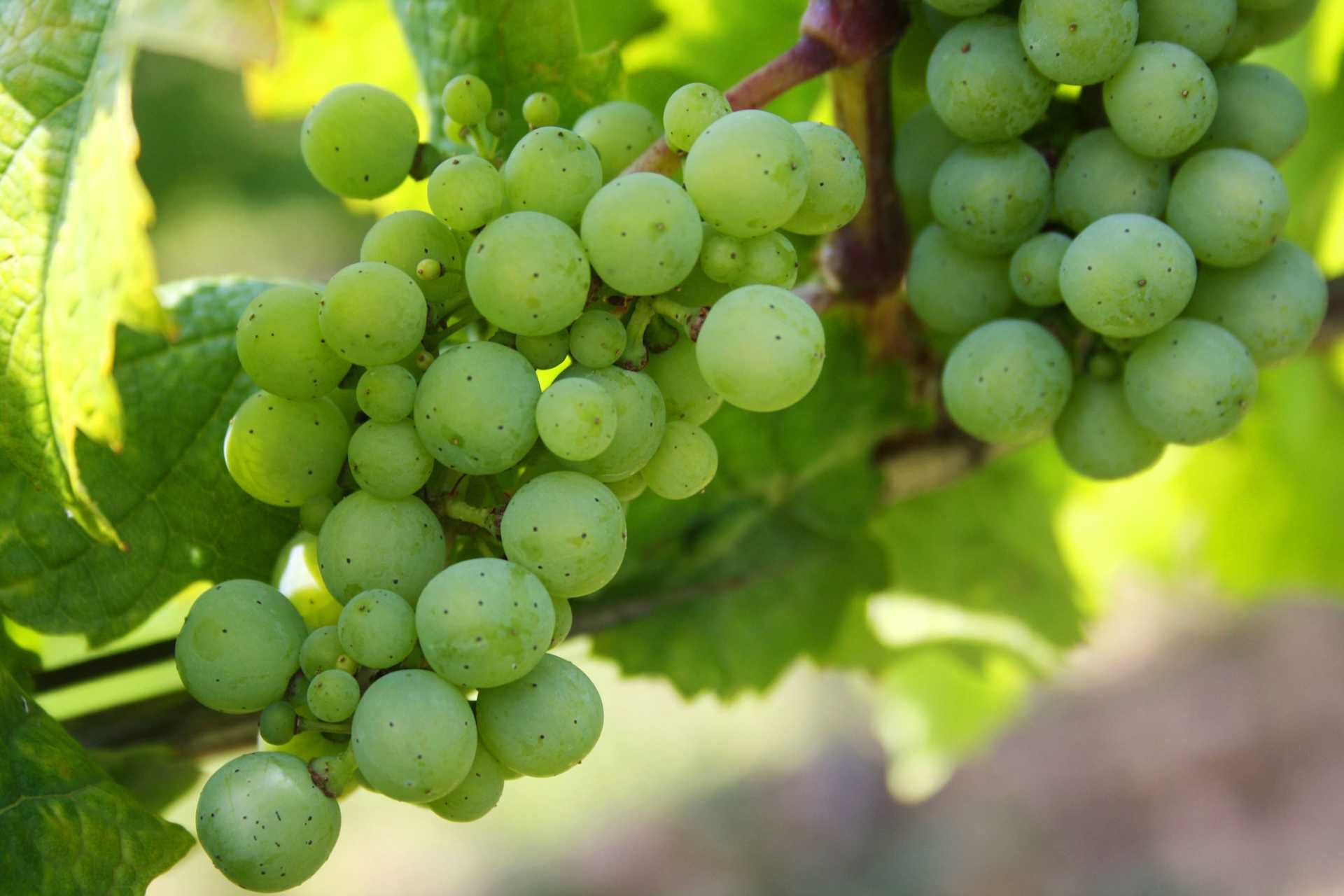
With hundreds of white grape varieties to choose from, winemakers have the freedom to create a virtually endless assortment of blended white wines. In many European regions, strict laws are in place determining the set of varieties that may be used in white wine blends, but in the New World, experimentation is permitted and encouraged. Blending can be utilized to enhance balance or create complexity, lending different layers of flavors and aromas. For example, a variety that creates a soft and full-bodied white wine blend, like Chardonnay, would do well combined with one that is more fragrant and naturally high in acidity. Sometimes small amounts of a particular variety are added to boost color or aromatics. Blending can take place before or after fermentation, with the latter, more popular option giving more control to the winemaker over the final qualities of the wine.

Highly regarded for distinctive and age-worthy red wines, Rioja is Spain’s most celebrated wine region. Made up of three different sub-regions of varying elevation: Rioja Alta, Rioja Alavesa and Rioja Oriental. Wines are typically a blend of fruit from all three, although specific sub-region (zonas), village (municipios) and vineyard (viñedo singular) wines can now be labeled. Rioja Alta, at the highest elevation, is considered to be the source of the brightest, most elegant fruit, while grapes from the warmer and drier Rioja Oriental produce wines with deep color and higher alcohol, which can add great body and richness to a blend.
Fresh and fruity Rioja wines labeled, Joven, (meaning young) see minimal aging before release, but more serious Rioja wines undergo multiple years in oak. Crianza and Reserva styles are aged for one year in oak, and Gran Reserva at least two, but in practice this maturation period is often quite a bit longer—up to about fifteen years.
Tempranillo provides the backbone of Rioja red wines, adding complex notes of red and black fruit, leather, toast and tobacco, while Garnacha supplies body. In smaller percentages, Graciano and Mazuelo (Carignan) often serve as “seasoning” with additional flavors and aromas. These same varieties are responsible for flavorful dry rosés.
White wines, typically balancing freshness with complexity, are made mostly from crisp, fresh Viura. Some whites are blends of Viura with aromatic Malvasia, and then barrel fermented and aged to make a more ample, richer style of white.