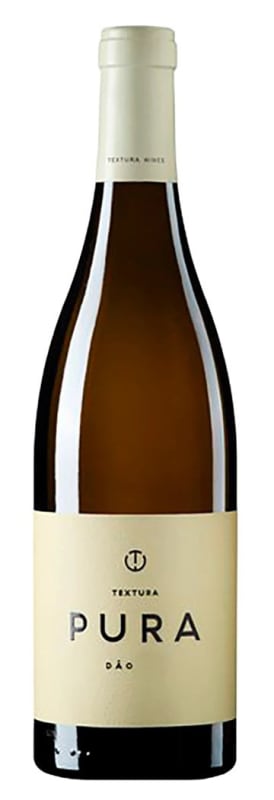


Winemaker Notes
Professional Ratings
-
James Suckling
Pear skin, wet stones, fresh thyme and sea air on the nose lead to a concentrated palate with wonderful salinity and density. The acid carries the minerals and flavors of pears and green apples to a long finish. Full-bodied.
-
Robert Parker's Wine Advocate
The 2023 Pura Branco reveals complexity, depth and nuance. It was produced with grapes from old vines from a vineyard planted with a lot of different varieties: Encruzado, Bical, Dona Branca (Síria), Rabo de Ovelha, Malvasia and others. It fermented and matured in used 500-liter oak barrels, where the wine spent 11 months with the full lees. It has 13% alcohol, a pH of 3.31 and 6.62 grams of acidity, with more purity and definition than the other whites.

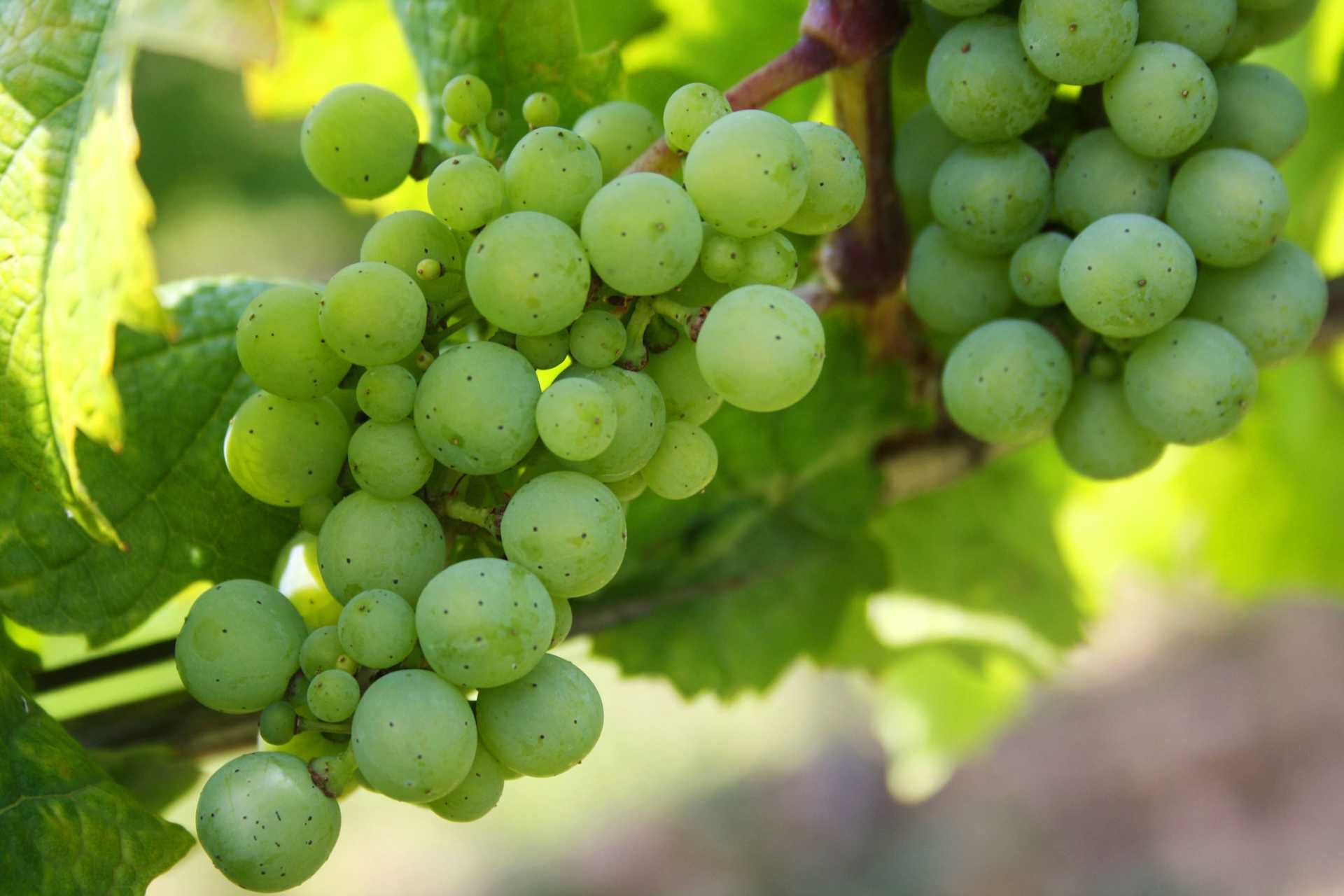
With hundreds of white grape varieties to choose from, winemakers have the freedom to create a virtually endless assortment of blended white wines. In many European regions, strict laws are in place determining the set of varieties that may be used in white wine blends, but in the New World, experimentation is permitted and encouraged. Blending can be utilized to enhance balance or create complexity, lending different layers of flavors and aromas. For example, a variety that creates a soft and full-bodied white wine blend, like Chardonnay, would do well combined with one that is more fragrant and naturally high in acidity. Sometimes small amounts of a particular variety are added to boost color or aromatics. Blending can take place before or after fermentation, with the latter, more popular option giving more control to the winemaker over the final qualities of the wine.

Producing some of the country’s most dignified and mineral-driven red wines, Dão is positioned in north central Portugal where granite mountains surround and shelter the region from any Atlantic maritime influence. Summers are long and warm; winters see abundant rainfall.