

Winemaker Notes
Professional Ratings
-
James Suckling
There's a lovely perfume and floral edge here with aromas of jasmine, apple blossom, candied lime, gooseberry, honeysuckle and green melon. The palate is medium-bodied with generosity cut through by vibrant acidity and tension underneath the fruit and minerals.
-
Tasting Panel
With the addition of Sauvignon Musqué and Semillon clones, and a labor-intensive fermentation in small stainless steel, French oak, amphora, and ceramic cuves, this is Spottswoode’s first bottling of Sauvignon Blanc sourced from all organic vineyards. Lemon-vanilla cream, pineapple, and honeysuckle are cherished flavors that follow a perfume of lime blossom. It finishes with a hint of thyme and salinity sparked grapefruit zest.
-
Wine Spectator
This is stylish, with tarragon and verbena notes leading the way for Key lime, yellow plum and green almond flavors. Offers a fresh, delineated finish.
-
Wilfred Wong of Wine.com
The 2025 Spottswoode SAUVIGNON BLANC would shine alongside a refined dish of butter-poached Maine lobster over spring English pea purée with delicate accents of shaved fennel, preserved lemon, and a restrained beurre blanc. The wine’s tart citrus character and profusion of dried herbs would beautifully echo the dish’s brightness and subtle herbal nuances, while its layered texture and elegant finish would complement the lobster’s natural richness without overwhelming its delicacy. (Tasted: May 18, 2026, San Francisco, CA)
-
Wine Enthusiast
The nose of this Sauvignon Blanc swirls with aromas of fresh lime, grilled pineapple, jalapeño, and lemon balm. The palate possesses a streak of bright lemony acidity and rich texture, with flavors of dried lemon, tropical florals, zesty lime peel, lemongrass, and orange blossoms emerging along the finish.





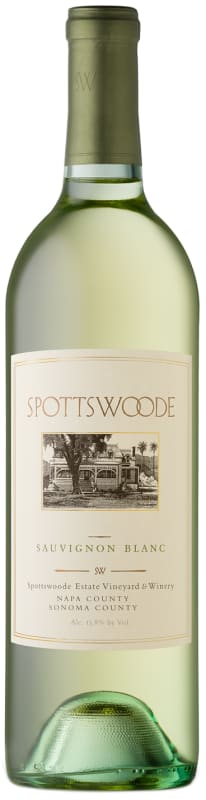
Spottswoode is an historic, family-owned estate vineyard and winery located on the western edge of St. Helena in Napa Valley. The estate was established in 1882 by George Schonewald, whose historic Victorian home is depicted on the label. Spottswoode was christened by Mrs. Albert Spotts, whose family owned the property from 1910 until its purchase in 1972 by Mary Weber Novak and her husband, Dr. Jack Novak. After Jack died unexpectedly in 1977, Mary carried out their shared dream, and Spottswoode’s debut Cabernet Sauvignon was produced in 1982, exactly one hundred years after the estate’s founding.
To ensure the highest quality, Spottswoode is dedicated to producing a handful of wines in very limited quantities: Spottswoode Estate Cabernet Sauvignon, Sauvignon Blanc, Lyndenhurst, and Field Book. The winery's goal is to produce exceptional, well-balanced, structured wines that exhibit texture, elegance, consistency and the ability to age well.
The 40-acre Spottswoode Estate Vineyard is an ideal terroir for growing wine grapes. Situated on the apex of the Sulphur Creek fan, the alluvial soils comprised primarily of sandy clay loam provide superb drainage. The gap between the Mayacamas Range and Spring Mountain admits cooling maritime breezes that temper the sun’s heat, creating an ideal microclimate for winegrowing. Among the first to introduce organic farming practices in the Napa Valley in 1985, Spottswoode is proud to have enjoyed the California Certified Organic Farmers (CCOF) certification since 1992 and Demeter Biodynamic Certification since 2020. Spottswoode is also Napa Valley’s first Certified B-Corp winery.
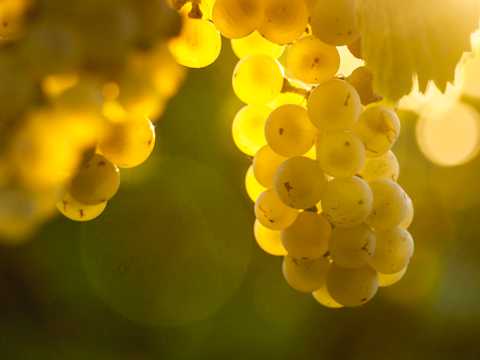
Capable of a vast array of styles, Sauvignon Blanc is a crisp, refreshing variety that equally reflects both terroir and varietal character. Though it can vary depending on where it is grown, a couple of commonalities always exist—namely, zesty acidity and intense aromatics. This variety is of French provenance. Somm Secret—Along with Cabernet Franc, Sauvignon Blanc is a proud parent of Cabernet Sauvignon. That green bell pepper aroma that all three varieties share is no coincidence—it comes from a high concentration of pyrazines (herbaceous aromatic compounds) inherent to each member of the family.
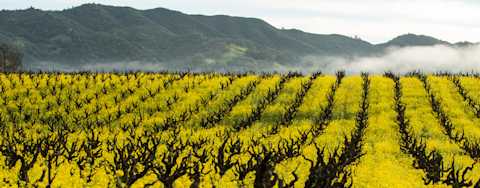
Reaching up California's coastline and into its valleys north of San Francisco, the North Coast AVA includes six counties: Marin, Solano, Napa, Sonoma, Mendocino and Lake. While Napa and Sonoma enjoy most of the glory, the rest produce no shortage of quality wines in an intriguing and diverse range of styles.
Climbing up the state's rugged coastline, the chilly Marin County, just above the City and most of Sonoma County, as well as Mendocino County on the far north end of the North Coast successfully grow cool-climate varieties like Pinot Noir, Chardonnay and in some spots, Riesling. Inland Lake County, on the other hand, is considerably warmer, and Cabernet Sauvignon, Zinfandel and Sauvignon Blanc produce some impressive wines with affordable price tags.