


Winemaker Notes
Deep golden orange, a fair bit cloudy. Aromas of citrus peel and spice blend with baser notes of oatmeal and brown rice. Full and dry, grainy tannin make this the red drinkers white, multi layered, rewards time in the glass. Bridges the gap between something like an oaky chardonnay and the more confronting skin contact whites out there.
Blend: Semillon 46%, Pedro Ximenes 41%, Riesling 10.5%, Roussane 2%, Muscat 0.5%

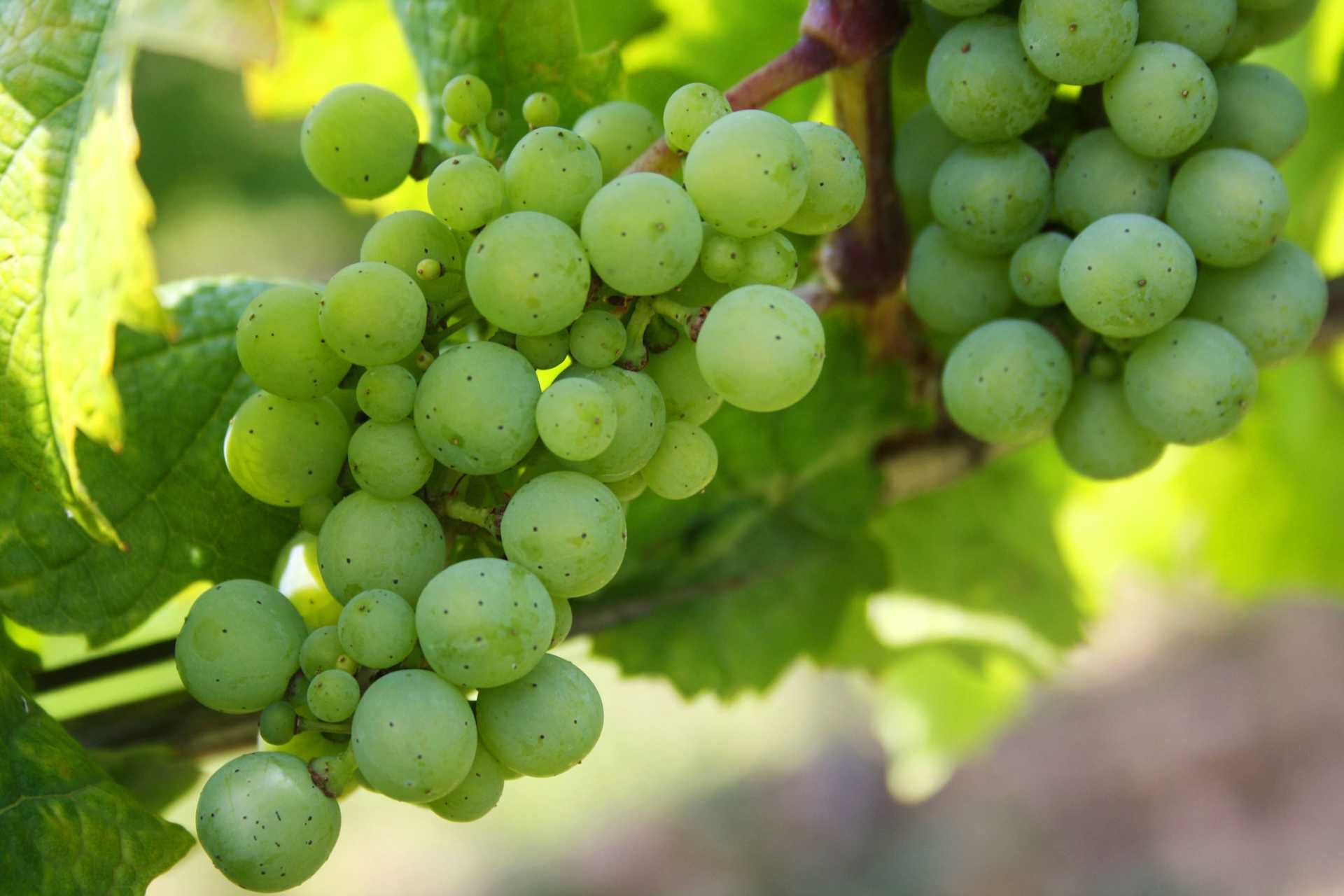
With hundreds of white grape varieties to choose from, winemakers have the freedom to create a virtually endless assortment of blended white wines. In many European regions, strict laws are in place determining the set of varieties that may be used in white wine blends, but in the New World, experimentation is permitted and encouraged. Blending can be utilized to enhance balance or create complexity, lending different layers of flavors and aromas. For example, a variety that creates a soft and full-bodied white wine blend, like Chardonnay, would do well combined with one that is more fragrant and naturally high in acidity. Sometimes small amounts of a particular variety are added to boost color or aromatics. Blending can take place before or after fermentation, with the latter, more popular option giving more control to the winemaker over the final qualities of the wine.

The Barossa Zone encompasses the Barossa Valley and Eden Valley. Some of the oldest vines in Australia can be found here.
Barossa Valley of course is the most important and famous wine growing region in all of Australia where 140+ year-old, dry-farmed Shiraz vines still produce inky, purple and dense juice for some of Australia's best wines.
In the cooler, wetter Eden Valley sub-region, the Hill of Grace vineyard is home to famous Shiraz vines from the 1800s but the region produces also some of Australia’s very best and age-worthy Rieslings.