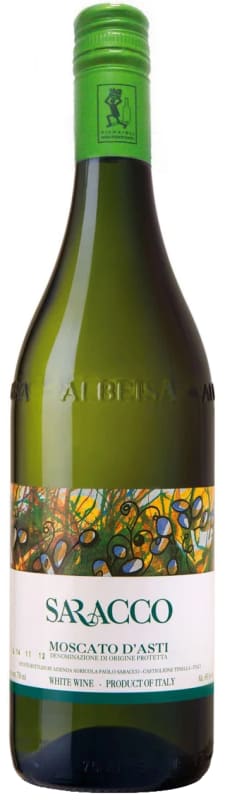


Winemaker Notes
A benchmark of quality for the region, this wine exhibits classic straw-yellow color and fine perlage, with intense aromas of orange blossom, peach and thyme leading into a palate that is balanced by pleasant acidity—still intensely fruity but not overly sweet.
It pairs perfectly with fruit-based desserts, but can also be a surprising foil for strong cheeses such as gorgonzola and spicy dishes.
Professional Ratings
-
Wine Enthusiast
White peaches kissed with fresh mint flowing through jasmine petals and wild thyme, each aromatic layer floating like summer memories. The palate dances with perfect balance, where ripe nectarines and elegant sweetness ride waves of vibrant acidity. This is Moscato d'Asti showing its truest self, where delicate bubbles and pristine fruit linger. Pour it with spicy Vietnamese spring rolls now, save some for fresh peach tart later, this wine knows no boundaries.
Editors' Choice
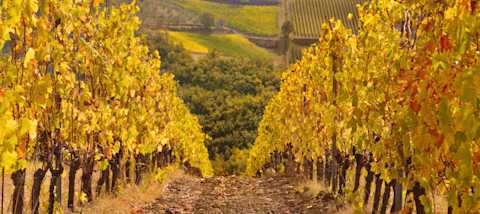
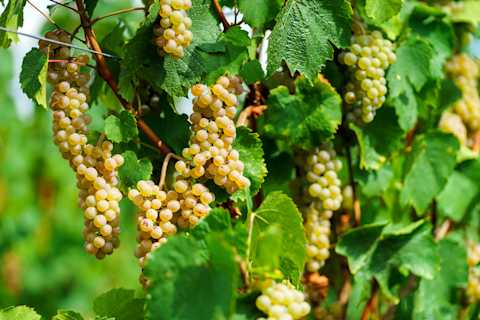
While Muscat comes in a wide range of styles from dry to sweet, still to sparkling and even fortified, it's safe to say it is always alluringly aromatic and delightful. The two most important versions are the noble, Muscat Blanc à Petits Grains, making wines of considerable quality and Muscat of Alexandria, thought to be a progeny of the former. Somm Secret—Pliny the Elder wrote in the 13th century of a sweet, perfumed grape variety so attractive to bees that he referred to it as uva apiana, or “grape of the bees.” Most likely, he was describing Muscat.
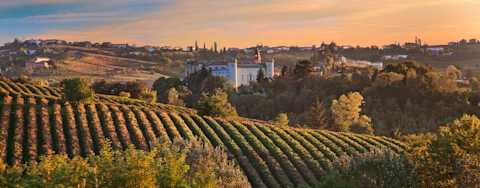
Recognized as the source of the best Barbera in all of Italy, Asti is a province (as well as major city) in Piedmont, consisting of a gentle, rolling landscape with vineyards, farmland and forests alternating throughout.
Barbera d’Asti can be made in an array of styles from relatively straightforward, fruity and ready for consumption early, to the more concentrated, oak aged version with an ability to cellar impressively for 10-15 years and beyond. Some of the very best sites for Barbera in Asti are concentrated in the subzone of Nizza Monferrato. Other red varieties grown here include Freisa, Grignolino and Dolcetto, which can be bottled varietally or blended into Barbera.
Historically consumers commonly associated the Asti region with Asti Spumante and Moscato d’Asti, both playful, aromatic, sparkling wines made from the Muscat grape. Asti Spumante is less sweet, fully fizzy and more alcoholic (yet still clocking in at only around 9% alcohol) while Moscato d’Asti is sweeter, gently sparkling (“frizzante”) and closer to 5 or 6% alcohol. Each is produced in stainless steel tanks to preserve the fresh and fruity flavors of the grape, often including peach, apricot, lychee and rose petal. Asti is also the spot for the pink-hued Brachetto d'Acqui, a slightly sparkling wine ready to charm with its raspberry and rose flavors and aromas.