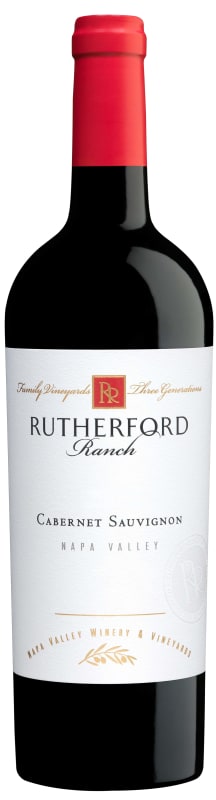


Winemaker Notes
Aromas of black cherry and currants greet the nose and give way to complex layers of dark plum and toasty caramel on the palate. The wine is silky smooth, full bodied, and brimming with juicy blackberry and Mission fig flavors, all with a dusting of clove and pie spices.
Blend: 89% Cabernet Sauvignon, 6% Petit Verdot, 3% Merlot, 2% Petite Sirah
Professional Ratings
-
Wine Enthusiast
Rich aromas and flavors lead this forward, generous, and structural wine. Lush and fleshy black plum, cassis, and cherries spun through with toasted spices, graphite and flint make for a seductive, fruit-forward, while also savory wine. Tannins offer palate-cleansing pliability plus the oomph to serve with a hearty meal.
-
James Suckling
Dark fruited and structured, with aromas of black currants, blackberries, dark cherries, dried herbs and cedar. The palate is full-bodied with firm tannins, balanced acidity and a broad, fruit-driven finish. The vintage shows through.
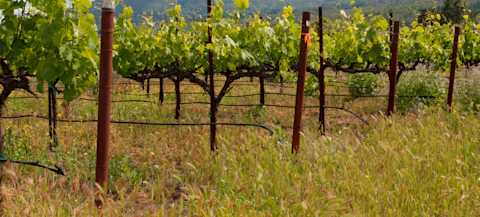
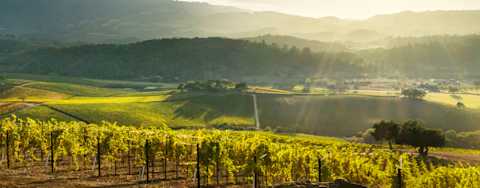
One of the most prestigious wines of the world capable of great power and grace, Napa Valley Cabernet is a leading force in the world of fine, famous, collectible red wine. Today the Napa Valley and Cabernet Sauvignon are so intrinsically linked that it is difficult to discuss one without the other. But it wasn’t until the 1970s that this marriage came to light; sudden international recognition rained upon Napa with the victory of the Stag’s Leap Wine Cellars 1973 Cabernet Sauvignon in the 1976 Judgement of Paris.
Cabernet Sauvignon undoubtedly dominates Napa Valley today, covering half of the land under vine, commanding the highest prices per ton and earning the most critical acclaim. Cabernet Sauvignon’s structure, acidity, capacity to thrive in multiple environs and ability to express nuances of vintage make it perfect for Napa Valley where incredible soil and geographical diversity are found and the climate is perfect for grape growing. Within the Napa Valley lie many smaller sub-AVAs that express specific characteristics based on situation, slope and soil—as a perfect example, Rutherford’s famous dust or Stags Leap District's tart cherry flavors.