


Winemaker Notes
This wine is rich, ripe, and focused with flavors of sweet black currant and juicy blackberry intermingled with hints of shaved chocolate and tobacco. Delicious flavors framed by toasty oak and silky tannins, meld together throughout the wine’s lingering finish.
Professional Ratings
-
James Suckling
Spiced and cedary on the nose, with dark cherries, plums and hints of cigar box and wet earth. Full-bodied and chewy with a lightly austere, bitter-spice character, yet with juicy fruit underneath.
-
Wine Enthusiast
Friendly, fruit forward, and full bodied, this wine retains its balance with supple tannins and length. Cocoa-spiced black fruits poured over with mocha, orange zest, and bitter herbs remain palate filling through the finish of the wine.
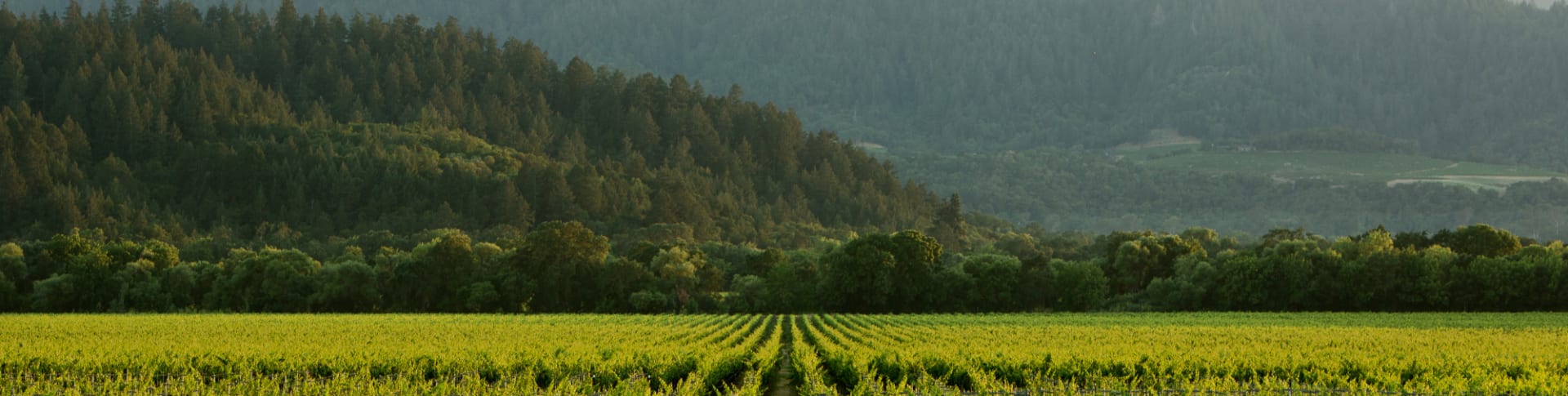


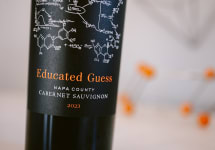
Roots Run Deep Winery began in 2005 when founder Mark Albrecht set out to answer a simple question: could great Napa Valley wine be both exceptional and accessible? After decades in the wine retail business, Mark saw that too many great bottles were priced or positioned out of reach for everyday drinkers—so he sold his house and everything in it to fund the winery's first vintage and prove otherwise. There was no inherited estate or outside investors behind the project; friends and family who believed in the vision helped turn that leap into a working winery.
That first wine, Educated Guess Napa County Cabernet Sauvignon, became the foundation of the brand. Roots Run Deep believes great wine lives at the intersection of science and craft—combining vineyard data, chemistry, and instinct with a bit of educated guesswork to create wines that are thoughtful, expressive, and approachable. The idea worked: over the years Educated Guess has earned Best Buy, Best of Class honors, and is consistently one of the top selling Napa Valley Cabernets under $50.
More than twenty years later, that same philosophy shapes everything the winery makes. Roots Run Deep still sources fruit primarily from Napa Valley vineyards, while also working with exceptional growers in Sonoma and other regions across California—and the portfolio has grown beyond that first bottle to include a range of small-production wines defined by site, style, and discovery. The name reflects what has always mattered here: strong foundations, deep vineyard relationships, and the belief that great wine should feel both special and approachable.

One of the most prestigious wines of the world capable of great power and grace, Napa Valley Cabernet is a leading force in the world of fine, famous, collectible red wine. Today the Napa Valley and Cabernet Sauvignon are so intrinsically linked that it is difficult to discuss one without the other. But it wasn’t until the 1970s that this marriage came to light; sudden international recognition rained upon Napa with the victory of the Stag’s Leap Wine Cellars 1973 Cabernet Sauvignon in the 1976 Judgement of Paris.
Cabernet Sauvignon undoubtedly dominates Napa Valley today, covering half of the land under vine, commanding the highest prices per ton and earning the most critical acclaim. Cabernet Sauvignon’s structure, acidity, capacity to thrive in multiple environs and ability to express nuances of vintage make it perfect for Napa Valley where incredible soil and geographical diversity are found and the climate is perfect for grape growing. Within the Napa Valley lie many smaller sub-AVAs that express specific characteristics based on situation, slope and soil—as a perfect example, Rutherford’s famous dust or Stags Leap District's tart cherry flavors.