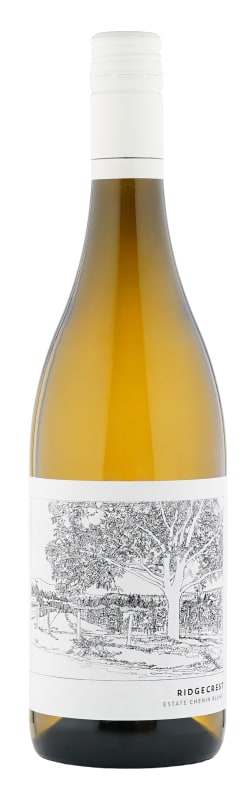


Winemaker Notes
The 2024 Chenin Blanc is a nod to the mineral-driven side of the variety. The nose opens with a lovely array of ripe Bartlett pear, clover, honeysuckle, crushed gravel and grapefruit peel. With the first sip you dive into more acidity and brightness which is juxtaposed to a smooth and round finish; showing highlights of lemon curd, peach gummy candy, quince paste and spiced warm apples. This wine is truly a stunner and will age well for decades in your cellar, if you can keep your hands off the bottles.
Professional Ratings
-
Wine Enthusiast
I don't taste many Oregon Chenin Blancs because there are probably fewer than 120 acres planted in the state. That makes me sad when I taste a beautiful wine like this. It smells like tangerines, talc and a walk in a pine forest, which is quite a nice perfume. The wine's lemon zest and tangerine flavors feel right at home with blazing acidity and a crisp, fresh mouthfeel. Give me a glass of this wine with burrata and slices of fresh peaches, and I will be the happiest camper.
Editors’ Choice


Unquestionably one of the most diverse grape varieties, Chenin Blanc can do it all. It shines in every style from bone dry to unctuously sweet, oaked or unoaked, still or sparkling and even as the base for fortified wines and spirits. Perhaps Chenin Blanc’s greatest asset is its ever-present acidity, maintained even under warm growing conditions. Somm Secret—Landing in South Africa in the mid 1800s, today the country has double the acreage of Chenin Blanc planted compared to France. There is also a new wave of dedicated producers committed to restoring old Chenin vines.

Ribbon Ridge is a regular span of uplifted, marine, sedimentary soils (called Willakenzie), whose highest ridge elevations twist like a ribbon. An early settler from Missouri named Colby Carter noticed this unique topography and gave the region its name in 1865—though it wasn’t declared its own AVA until 140 years later, in 2005. The AVA is enclosed by mountains on all sides between Yamhill-Carlton and the Chehalem Mountains, and is actually part of the larger Chehalem Mountains AVA. Its soils have a finer texture than its neighbors with parent materials composed of sandstone, siltstone, and mudstone. Given its presence of natural aquifers in this five square mile area, most vineyards are actually easily dry farmed!