
Winemaker Notes
Professional Ratings
-
Robert Parker's Wine Advocate
The 2013 Viognier Madrigal is all Viognier, aged in a mixture of tank (60%) and new French oak (40%). This is a library wine. When last seen, this had blossomed. Whether another year in the bottle or a different bottle, this isn't quite as impressive as that version, but it is still very good. Decidedly mature now, it revives with air and warmth. It becomes impressively complex, adding nuance to the solid mid-palate, but also fresher. It seems concentrated yet subtly so; it's never fat or sloppy. Harmonious, lingering, perfectly balanced and precise, this is still a gorgeous Viognier. It calls for a food pairing—but one on the gentler side. It should continue holding well for several years, but I'd be careful going much further until it proves it can.

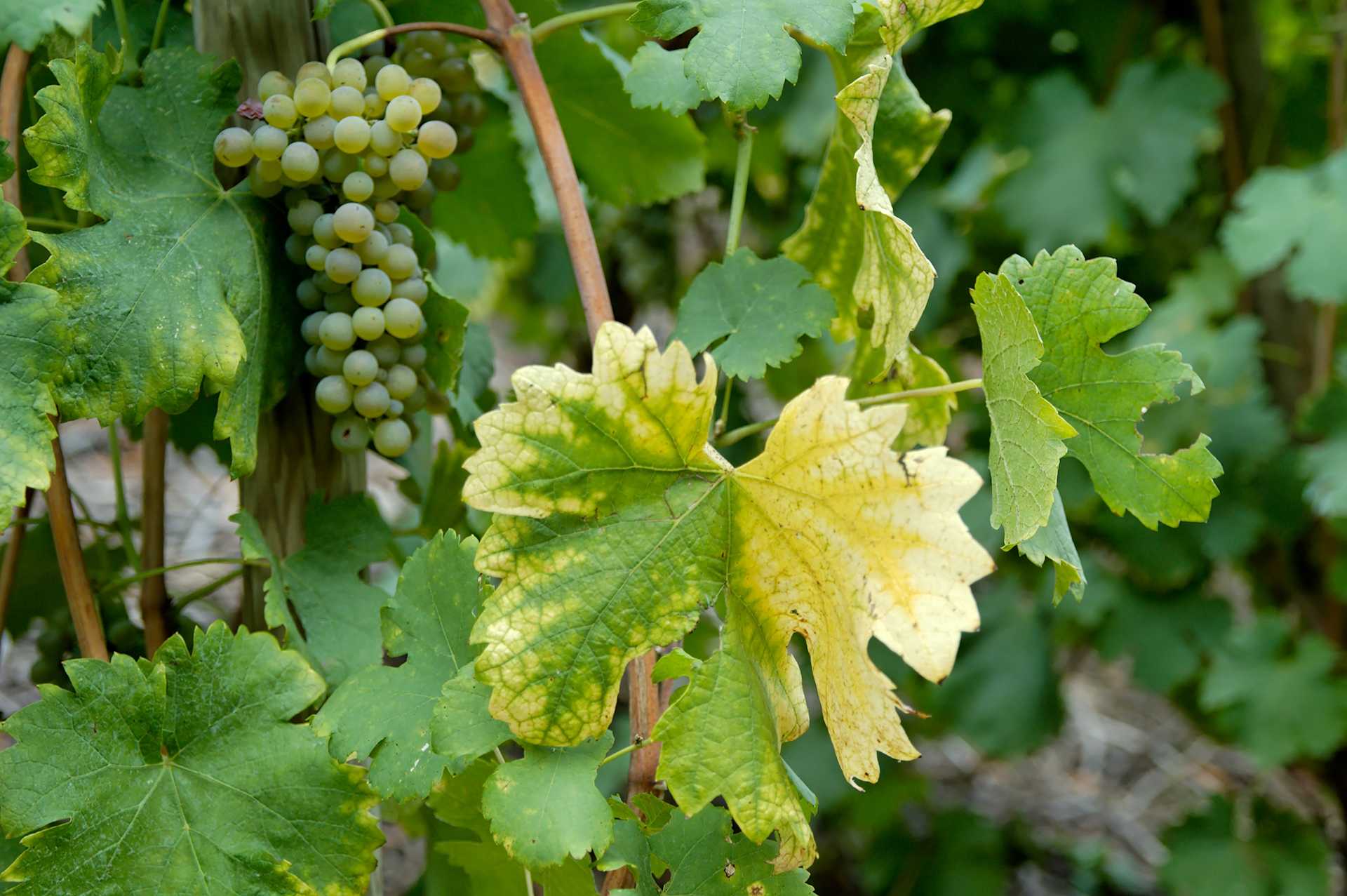
Full-figured and charmingly floral, Viognier is one of the most important white grapes of the northern Rhône where it is used both to produce single varietal wines and as an important blending grape. Look for great New World examples from California, Oregon, Washington and cooler parts of Australia. Somm Secret—Viognier plays a surprisingly important role in the red wines of Côte Rôtie in the northern Rhône. About 5% Viognier is typically co-fermented with the Syrah in order to stabilize the color, and as an added benefit, add a subtle perfume.

Best known for intense, impressive and age-worthy fortified wines, Portugal relies almost exclusively on its many indigenous grape varieties. Bordering Spain to its north and east, and the Atlantic Ocean on its west and south coasts, this is a land where tradition reigns supreme, due to its relative geographical and, for much of the 20th century, political isolation. A long and narrow but small country, Portugal claims considerable diversity in climate and wine styles, with milder weather in the north and significantly more rainfall near the coast.
While Port (named after its city of Oporto on the Atlantic Coast at the end of the Douro Valley), made Portugal famous, Portugal is also an excellent source of dry red and white Portuguese wines of various styles.
The Douro Valley produces full-bodied and concentrated dry red Portuguese wines made from the same set of grape varieties used for Port, which include Touriga Nacional, Tinta Roriz (Spain’s Tempranillo), Touriga Franca, Tinta Barroca and Tinto Cão, among a long list of others in minor proportions.
Other dry Portuguese wines include the tart, slightly effervescent Vinho Verde white wine, made in the north, and the bright, elegant reds and whites of the Dão as well as the bold, and fruit-driven reds and whites of the southern, Alentejo.
The nation’s other important fortified wine, Madeira, is produced on the eponymous island off the North African coast.