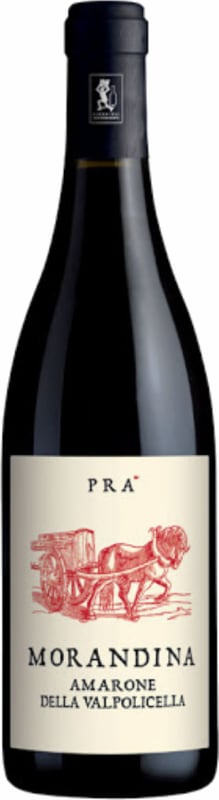


Winemaker Notes
The wine has a ruby red color. The aromas are intense and complex. On the palate cherries, plums mixed with bitter cocoa and licorice. Flavorsome and smooth structure balanced with tannins and freshness thanks to the altitude of vineyard and the high chalk composition in the marl soil. Power combined with elegance, as suggested by the horse breed T.P.R on the label.
The wine pairs well with well–cooked meats especially if flavored with spices and aromatic herbs and game. Ideal served with mature cheese and particularly with Parmigiano Reggiano.
Professional Ratings
-
Wine Enthusiast
Here's an Amarone that proves finesse can trump power. This old-school beauty leads with dried plums, warming spices of clove and cinnamon, plus earthy tobacco and leather notes. The palate shows all the richness you'd expect from Amarone but delivers it with uncommon grace. Layers of dried black and red fruits mingle with savory herbs and cracked pepper, while bright acidity keeps everything lively. A masterclass in restraint from one of the region's quiet stars. Drink Now - 2040
-
James Suckling
A very leafy wine in a positive way, with vibrant aromas of bay leaves, dried cherries, pomegranates and assertive black pepper. A dense palate with a full body, velvety tannins, crisp acidity and a long, warming aftertaste. Almost drinkable now, but best from 2026.
-
Vinous
Dusty and perfumed, the 2018 Amarone della Valpolicella Morandina lights up the senses with a cascade of dried roses, orange zest, cocoa powder and black cherries. It is silky smooth with a sour citrus tinge to balance as a polished wave of mineral-laced wildberry fruits sweeps across the palate. Lightly tannic and intense, this wine leaves a tart blackberry saturation and chewy grip as hints of lavender resonate. Patience will be required.
-
Wine Spectator
An Amarone in a fresher, more elegant style, with flavors of plumped black cherry and fig cake animated by plum skin acidity and layered with an overtone of fragrant black tea, plus hints of dark chocolate, roasted vanilla, minerally tar, iron and leather. Structured by fine, taut tannins, this finds an appealing place between being sweet and savory in profile, offering harmonious integration and length. Corvina, Corvinone, Rondinella and Oseleta. Drink now through 2040. 500 cases made.


With hundreds of red grape varieties to choose from, winemakers have the freedom to create a virtually endless assortment of blended red wines. In many European regions, strict laws are in place determining the set of varieties that may be used, but in the New World, experimentation is permitted and encouraged resulting in a wide variety of red wine styles. Blending can be utilized to enhance balance or create complexity, lending different layers of flavors and aromas. For example, a red wine blend variety that creates a fruity and full-bodied wine would do well combined with one that is naturally high in acidity and tannins. Sometimes small amounts of a particular variety are added to boost color or aromatics. Blending can take place before or after fermentation, with the latter, more popular option giving more control to the winemaker over the final qualities of the wine.
How to Serve Red Wine
A common piece of advice is to serve red wine at “room temperature,” but this suggestion is imprecise. After all, room temperature in January is likely to be quite different than in August, even considering the possible effect of central heating and air conditioning systems. The proper temperature to aim for is 55° F to 60° F for lighter-bodied reds and 60° F to 65° F for fuller-bodied wines.
How Long Does Red Wine Last?
Once opened and re-corked, a bottle stored in a cool, dark environment (like your fridge) will stay fresh and nicely drinkable for a day or two. There are products available that can extend that period by a couple of days. As for unopened bottles, optimal storage means keeping them on their sides in a moderately humid environment at about 57° F. Red wines stored in this manner will stay good – and possibly improve – for anywhere from one year to multiple decades. Assessing how long to hold on to a bottle is a complicated science. If you are planning long-term storage of your reds, seek the advice of a wine professional.
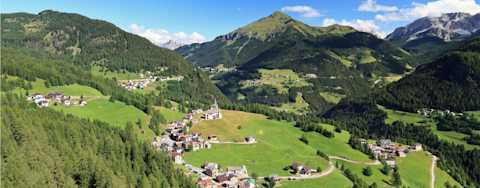
Among the ranks of Italy’s quintessential red wines, Valpolicella literally translates to the “valley of cellars” and is composed of a series of valleys (named Fumane, Marano and Negrare) that start in the pre-alpine Lissini Mountains and end in the southern plains of the Veneto. Here vineyards adorn the valley hillsides, rising up to just over 1,300 feet.
The classification of its red wines makes this appellation unique. Whereas most Italian regions claim the wines from one or two grapes as superior, or specific vineyards or communes most admirable, Valpolicella ranks the caliber of its red wines based on delimited production methods, and every tier uses the same basic blending grapes.
Corvina holds the most esteem among varieties here and provides the backbone of the best reds of Valpolicella. Also typical in the blends, in lesser quantities, are Rondinella, Molinara, Oseleta, Croatina, Corvinone and a few other minor red varieties.
Valpolicella Classico, the simplest category, is where the region’s top values are found and resembles in style light and fruity Beaujolais. The next tier of reds, called Valpolicella Superiore, represents a darker and more serious and concentrated expression of Valpolicella, capable of pairing with red meat, roast poultry and hard cheeses.
Most prestigious in Valpolicella are the dry red, Amarone della Valpolicella, and its sweet counterpart, Recioto della Valpolicella. Both are created from harvested grapes left to dry for three to five months before going to press, resulting in intensely rich, lush, cerebral and cellar-worthy wines.
Falling in between Valpolicella Superiore and Amarone is a style called Valpolicella Ripasso, which has become immensely popular only since the turn of the century. Ripasso literally means “repassed” and is made by macerating fresh Valpolicella on the pressed grape skins of Amarone. As a result, a Ripasso will have more depth and complexity compared to a regular Superiore but is more approachable than an Amarone.