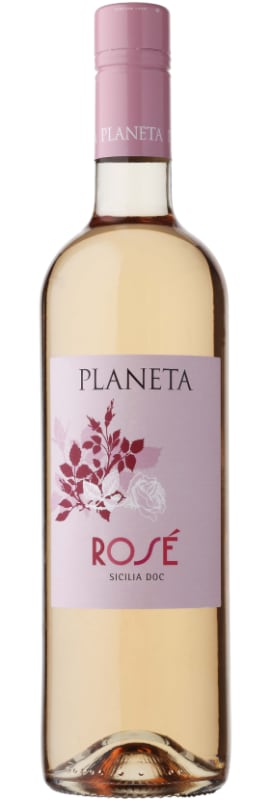


Winemaker Notes
A color that perfectly expresses the mood: pearl pink, like the inner shell layer of an oyster. Aromas of small pastries, currants, Sicilian wild strawberries; deeper hints of plum and pineapple. Very supple, with just a hint of acidity. Extremely pleasant taste, it does not tire and drives you to another sip.
Enjoy this Rosé in good company, from aperitif to fruit.
Blend: 50% Nero d’Avola, 50% Syrah
Professional Ratings
-
James Suckling
A delicious and juicy rosé made of nero d’avola and syrah. Notes of grapefruit, dried oranges and mild spices. It’s medium-bodied, supple and deliciously fruity, with a tangy finish. From organically grown grapes.
-
Vinous
The 2023 Rosé is perfumed with a cascade of wildflowers, lime zest and crushed stone. This opens with a lovely inner sweetness, complicated by mineral-tinged orchard fruits and hints of sour citrus. The 2023 tapers off with mouthwatering tension. It’s crisply refreshing, leaving behind a lingering salty flourish.
-
Wilfred Wong of Wine.com
COMMENTARY: The 2023 Planeta Rosé is subtle and delicious. TASTING NOTES: This wine shows aromas and flavors of sandalwood, subtle strawberries, and dried earthy notes. Pair it with pork adobo. (Tasted: June 15, 2024, San Francisco, CA)


Whether it’s playful and fun or savory and serious, most rosé today is not your grandmother’s White Zinfandel, though that category remains strong. Pink wine has recently become quite trendy, and this time around it’s commonly quite dry. Since the pigment in red wines comes from keeping fermenting juice in contact with the grape skins for an extended period, it follows that a pink wine can be made using just a brief period of skin contact—usually just a couple of days. The resulting color depends on grape variety and winemaking style, ranging from pale salmon to deep magenta.

A large, geographically and climatically diverse island, just off the toe of Italy, Sicily has long been recognized for its fortified Marsala wines. But it is also a wonderful source of diverse, high quality red and white wines. Steadily increasing in popularity over the past few decades, Italy’s fourth largest wine-producing region is finally receiving the accolades it deserves and shining in today's global market.
Though most think of the climate here as simply hot and dry, variations on this sun-drenched island range from cool Mediterranean along the coastlines to more extreme in its inland zones. Of particular note are the various microclimates of Europe's largest volcano, Mount Etna, where vineyards grow on drastically steep hillsides and varying aspects to the Ionian Sea. The more noteworthy red and white Sicilian wines that come from the volcanic soils of Mount Etna include Nerello Mascalese and Nerello Cappuccio (reds) and Carricante (whites). All share a racy streak of minerality and, at their best, bear resemblance to their respective red and white Burgundies.
Nero d’Avola is the most widely planted red variety, and is great either as single varietal bottling or in blends with other indigenous varieties or even with international ones. For example, Nero d'Avola is blended with the lighter and floral, Frappato grape, to create the elegant, Cerasuolo di Vittoria, one of the more traditional and respected Sicilian wines of the island.
Grillo and Inzolia, the grapes of Marsala, are also used to produce aromatic, crisp dry Sicilian white. Pantelleria, a subtropical island belonging to the province of Sicily, specializes in Moscato di Pantelleria, made from the variety locally known as Zibibbo.