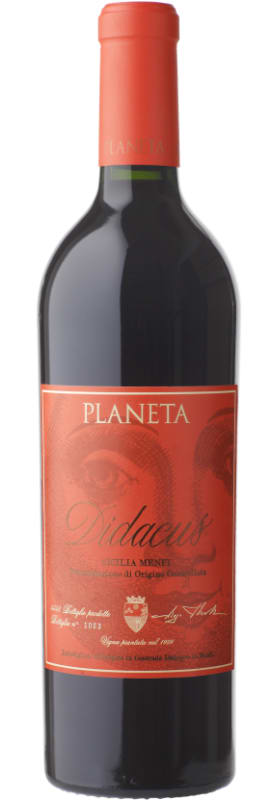


Winemaker Notes
Deep, intense purple in color. A complex nose with vibrant aromas of leather, exotic spices, cocoa and sandalwood complemented by ripe red fruits, blueberry and plum, mint and Mediterranean herbs. On the palate, full and intense with an elegant balance of velvety yet dense tannins, and soft yet evident influence of oak. Fresh acidity coupled with the weight of the wine balance the alcohol. An age-worthy wine, can be held for decades.
Professional Ratings
-
Vinous
The 2017 Cabernet Franc Didacus is dark, deep and intense, with arching blue florals giving way to masses of currants, plums and licorice. It’s silky with a dense wave of mineral-tinged black fruits carried across a core of motivating acidity that lifts the expression nicely. This leaves tart wild berries, along with hints of mocha over a coating of sweet tannins, coming across as structured yet also remarkably fresh. The heat of the vintage has pushed the volume up on the 2017 Cabernet Franc Didacus and while more-classic vintages will likely outpace it in the cellar over time, the balance here is beautiful.
-
Wine Enthusiast
Intense aromas of pepper on the nose—from red bell to cracked black pepper—join raw meat with macerated cherries and crushed stones. The palate has more cherries and strawberries with roasted peppers and unmistakeably Sicilian tannins.
-
Wine Spectator
An elegant red, medium- to full-bodied and tightly meshed, with a sense of restraint to the integration of sculpted tannins, revealing aromas and flavors of cassis, black tea leaf, fig cake and iron. Long and fresh, expanding on the creamy palate and showing good potential for the cellar. Cabernet Franc. Best from 2023 through 2030.


Cabernet Franc, a proud parent of Cabernet Sauvignon, is the subtler and more delicate of the Cabernets. Today Cabernet Franc produces outstanding single varietal wines across the wine-producing world. Somm Secret—One of California's best-kept secrets is the Happy Canyon appellation of Santa Barbara. Here Cabernet Franc shines as a single varietal wine or in blends, expressing sumptuous fruit, savory aromas and polished tannins.

A large, geographically and climatically diverse island, just off the toe of Italy, Sicily has long been recognized for its fortified Marsala wines. But it is also a wonderful source of diverse, high quality red and white wines. Steadily increasing in popularity over the past few decades, Italy’s fourth largest wine-producing region is finally receiving the accolades it deserves and shining in today's global market.
Though most think of the climate here as simply hot and dry, variations on this sun-drenched island range from cool Mediterranean along the coastlines to more extreme in its inland zones. Of particular note are the various microclimates of Europe's largest volcano, Mount Etna, where vineyards grow on drastically steep hillsides and varying aspects to the Ionian Sea. The more noteworthy red and white Sicilian wines that come from the volcanic soils of Mount Etna include Nerello Mascalese and Nerello Cappuccio (reds) and Carricante (whites). All share a racy streak of minerality and, at their best, bear resemblance to their respective red and white Burgundies.
Nero d’Avola is the most widely planted red variety, and is great either as single varietal bottling or in blends with other indigenous varieties or even with international ones. For example, Nero d'Avola is blended with the lighter and floral, Frappato grape, to create the elegant, Cerasuolo di Vittoria, one of the more traditional and respected Sicilian wines of the island.
Grillo and Inzolia, the grapes of Marsala, are also used to produce aromatic, crisp dry Sicilian white. Pantelleria, a subtropical island belonging to the province of Sicily, specializes in Moscato di Pantelleria, made from the variety locally known as Zibibbo.