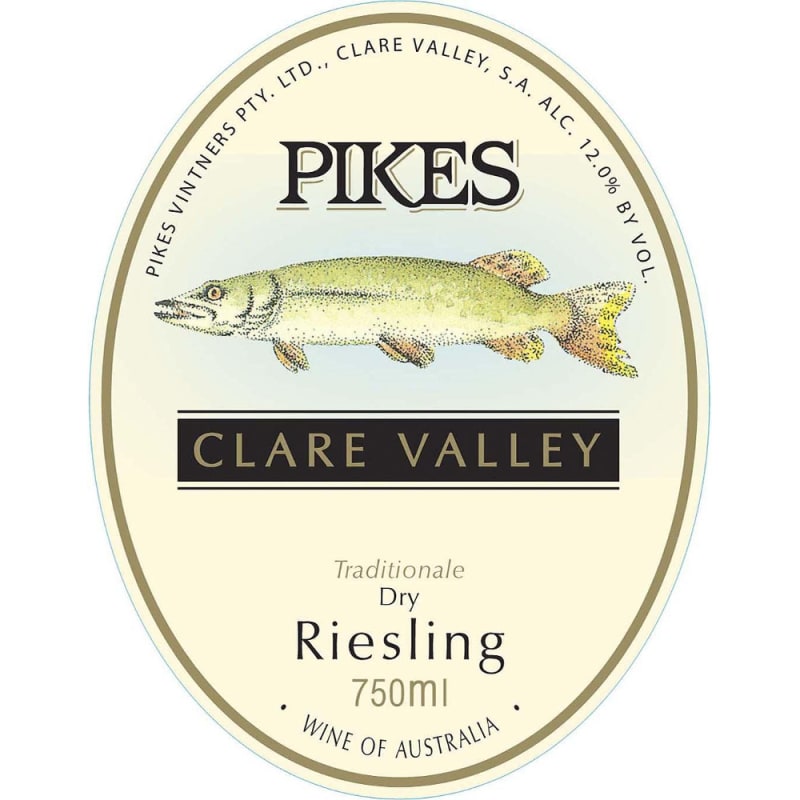

Winemaker Notes
Professional Ratings
-
Robert Parker's Wine Advocate
The 2010 Traditionale Riesling has a really intense green apple a lemon juice nose with supporting notes of lime leaves and lemon peel and some fresh herbs. Dry, crisp and light to medium bodied, it offers good concentration and tension with a long finish contributing some minerality. Drinking now, it should evolve well over the next 3-5 years and drink to 2018+.


Riesling possesses a remarkable ability to reflect the character of wherever it is grown while still maintaining its identity. A regal variety of incredible purity and precision, this versatile grape can be just as enjoyable dry or sweet, young or old, still or sparkling and can age longer than nearly any other white variety. Somm Secret—Given how difficult it is to discern the level of sweetness in a Riesling from the label, here are some clues to find the dry ones. First, look for the world “trocken.” (“Halbtrocken” or “feinherb” mean off-dry.) Also a higher abv usually indicates a drier Riesling.
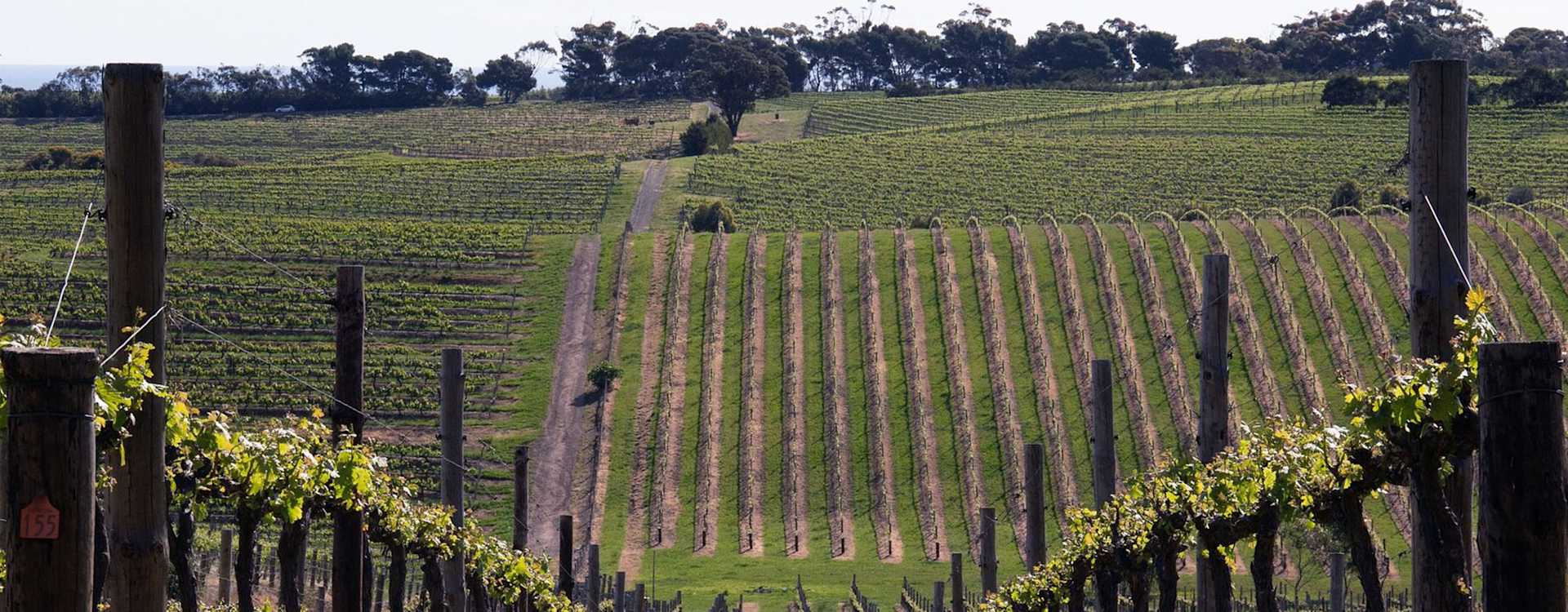
The Clare Valley is actually a series of narrow north to south valleys, each with a different soil type and slightly different weather patterns along their stretch. In the southern heartland between Watervale and Auburn, there is mainly a crumbled, red clay loam soil called terra rossa and cool breezes come in from Gulf St. Vincent. A few miles north, in Polish Hill, is soft, red loam over clay; westerlies blowing in from the Spencer Gulf influece this area's climate.
The differences in soil, elevation, degree of slope and weather enable the region to produce some of Australia’s finest, aromatic, spicy and lime-pithy Rieslings, as well as excellent Shiraz, Cabernet Sauvignon and Malbec with ripe plummy fruit, good acid and big structure.
Clare Valley is an isolated farming country with a continental climate known for its warm and sunny days, followed by cool nights—perfect for wine grapes’ development of sugar and phenolic ripeness in conjunction with notable acidity levels.