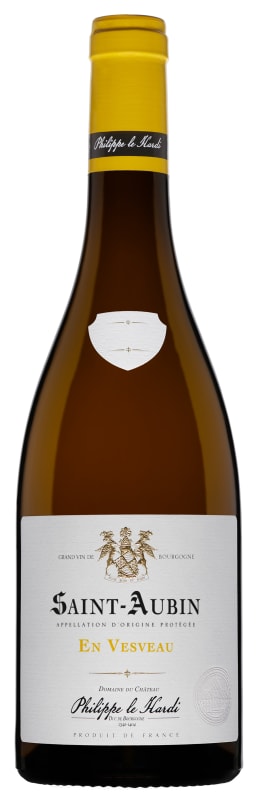


Winemaker Notes
Hints of citrus and ripe fruit mingle with delicate floral notes, often accompanied by slightly spicy, patisserie flavors. On the palate the wine is tender and fleshy, with good body. The pleasant roundness and gourmet finish mean wines of this vintage are well-balanced, with excellent aging potential.
Pairs well with scallop carpaccio, fish or vegetable terrine.
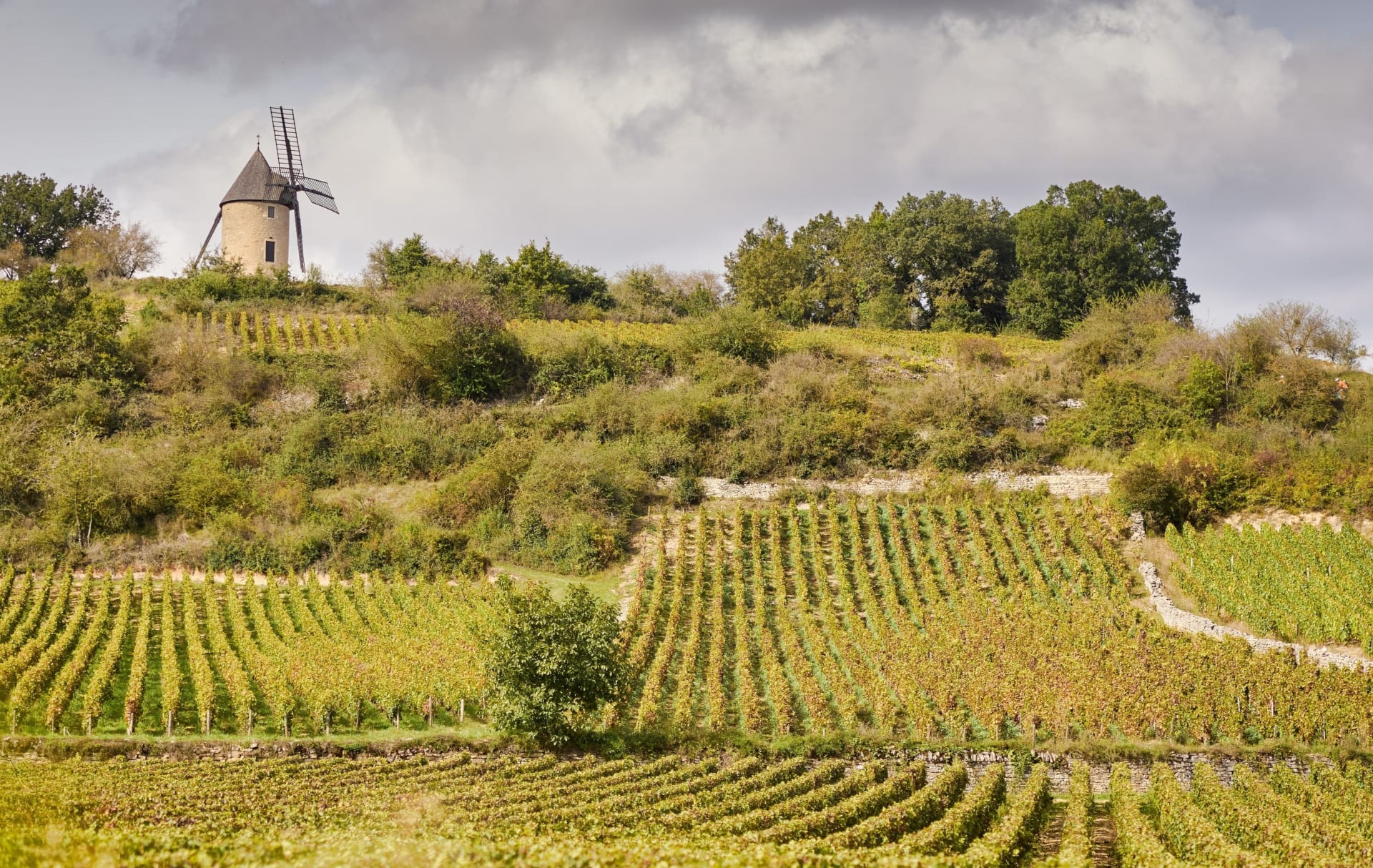



Domaine du Château Philippe le Hardi (formerly Château de Santenay) was once the majestic stately home of the first Duke of Burgundy. This historic estate is one of Burgundy’s most prestigious producers with its colorful glazed roof tiles. Working in a very natural way, they farm their 200+ acres of vineyards throughout the Côte d’Or and Côte Chalonnaise. Their wines are distinctive and reflect the delicate complexities of each unique vineyard site. For the last 20 years, the domaine has been taking an environmentally-friendly approach to growing, proving itself to be a true pioneer in this respect. It has been TERRA VITIS certified since 2004 and was certified by the Ministry of Agriculture in 2009 for its use of sustainable growing methods. In 2015, it was one of the first wine domaines to receive ‘High Environmental Value’ (HEV 3) certification respecting a new set of specifications issued by the French Ministry of Agriculture. In 2016, the domaine set up an apiary close to the vineyards in order to verify that the techniques used were harmless to bees, which are very sensitive to the environment. Plans are already in place to introduce more hives.
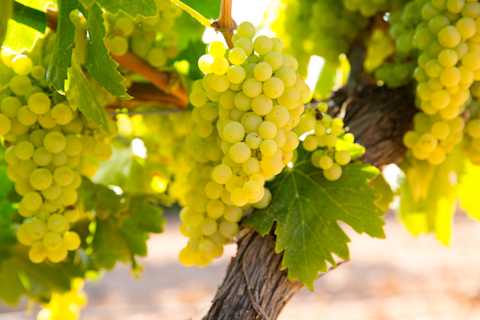
One of the most popular and versatile white wine grapes, Chardonnay offers a wide range of flavors and styles depending on where it is grown and how it is made. While it tends to flourish in most environments, Chardonnay from its Burgundian homeland produces some of the most remarkable and longest lived examples. California produces both oaky, buttery styles and leaner, European-inspired wines. Somm Secret—The Burgundian subregion of Chablis, while typically using older oak barrels, produces a bright style similar to the unoaked style. Anyone who doesn't like oaky Chardonnay would likely enjoy Chablis.

A steep, upcountry basin (referred to as a combe in French) in the southern end of the Côte de Beaune, St. Aubin is a direct westerly neighbor to Chassagne-Montrachet and Puligny-Montrachet. Recent years have seen a boom in white wine production so that now Chardonnay accounts for more than three quarters of area under vine here. Two thirds of St. Aubin is classified Premier Cru (30 total vineyards); most notable include Les Charmois, La Chatenière, En Remilly and Les Murgers Dents de Chie. The Premiers Crus of St. Aubin, wrapping like a ribbon upon the southeast and southwest facing slopes, produce fresh and elegant whites from Chardonnay. When young, these tout a refreshing grip and convey qualities of white flowers, citrus, pear, green almond and wet stone. Given some age, a graceful evolution occurs so that older St. Aubin whites express richer aromas of beeswax, honey, marzipan and spice.