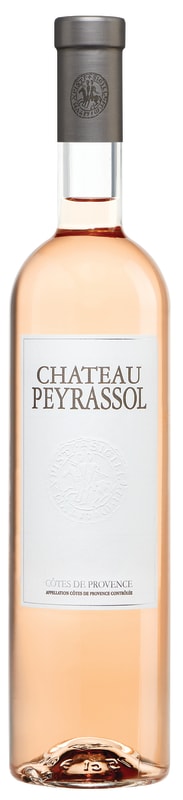


Winemaker Notes
Very pale lynchee pink color. The nose is fine and elegant. Complex, it releases long aromas of white-fleshed fruit, citrus fruit and white flowers. The palate is straightforward and clean: fine and silky, it is at once tender, delicate and lively. The freshness of the finish underpins the measured volume and a touch of salinity harmonises the whole.
Blend: 50% Cinsault, 30% Grenache, 10% Syrah, 5% Mourvedre, 5% Tibouren
Professional Ratings
-
Wine Spectator
A refined, well-meshed rosé, with good depth and flavor. Leads with a fresh citrus bouquet and a persimmon accent, plus leafy incense and herbs, all on a creamy palate. The stylish, taut, succulent finish is lined with chalky minerality. Solid. Cinsault, Grenache, Syrah, Mourvèdre and Tibouren.
-
Robert Parker's Wine Advocate
The 2025 Côtes de Provence Rosé Château Peyrassol offers up aromas of grapefruit, red berries, flowers and citrus. Medium-bodied, long and tense, it's perfectly balanced, concluding with a mouthwatering finish. This is a blend of Cinsault, Grenache, Syrah, Mourvèdre and Tibouren.
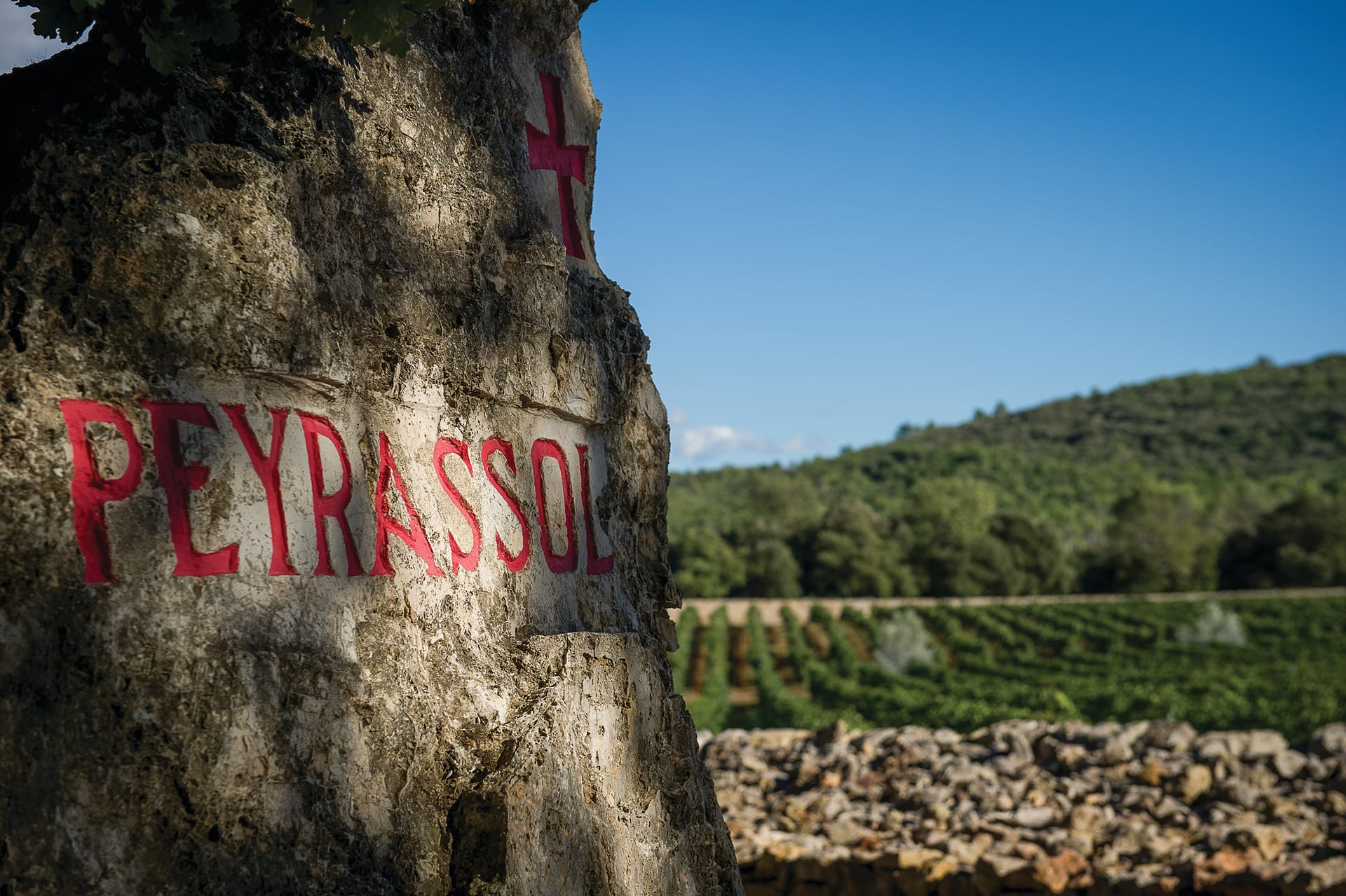




With almost 800 years of existence, the Commanderie de Peyrassol is considered a landmark in the history of Provence. More than a winery, the Commanderie has thrived for centuries as a sanctuary for gathering travelers, all the while, holding true to its precious values of hospitality and conviviality.
Located in the foothills of the Massif des Maures, 10 miles from the Mediterranean Sea between Cannes and Marseille, the estate consists of 1,000 hectares, with 95 hectares planted to vineyards cultivated on dry, rocky clay and limestone soils. When Francoise Rigord and her husband managed the estate, Syrah and Cabernet Sauvignon were planted in addition to the Grenache and Cinsault already growing at the estate. The main white varietals are Rolle and Ugni Blanc, supplemented by Semillon and Clairette. Since Philippe Austruy took ownership of the estate in 2001, Peyrassol has consciously maintained organic practices in full respect of the surrounding environment, aiming for certification in the coming years. No synthetic fertilizers, pesticides or fungicides are used in the vineyards. The age of the vines, the rocky terrain, and the hot, dry climate all do their part to severely restrict yields. Consequently, harvests typically average between 25 and 40 hectoliters per hectare depending on the vineyard and grape variety.
Inspired by the values at the origin of the estate: a sense of place, of great energy and centuries old commitment to hospitality, Peyrassol is now, more than ever, synonymous with great wines and celebrated generosity across the world.

Whether it’s playful and fun or savory and serious, most rosé today is not your grandmother’s White Zinfandel, though that category remains strong. Pink wine has recently become quite trendy, and this time around it’s commonly quite dry. Since the pigment in red wines comes from keeping fermenting juice in contact with the grape skins for an extended period, it follows that a pink wine can be made using just a brief period of skin contact—usually just a couple of days. The resulting color depends on grape variety and winemaking style, ranging from pale salmon to deep magenta.
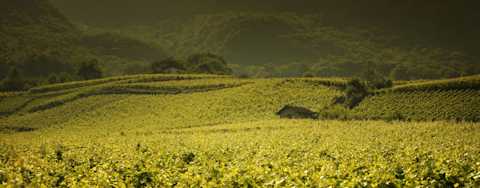
Cotes de Provence is an extensive but valuable appellation that includes vineyards bordering the main Provencal appellations. Its sites vary from subalpine hills, which receive the cooling effects of the mountains to the north, to the coastal St-Tropez, a region mainly influenced by the warm Mediterranean sunshine.
Here the focus is on quality rosé, as it defines four fifths of the region’s wines. Following in the rosé footsteps, a lot of new effort is going into the region’s red production as well. A new generation has turned its focus on high quality Grenache, Syrah, Cinsault and Carignan. Cotes de Provence white wines, which represent a miniscule part of the region as far as volume, are nonetheless worthy of consideration and can include any combination of Clairette, Semillon, Ugni Blanc and Vermentino.