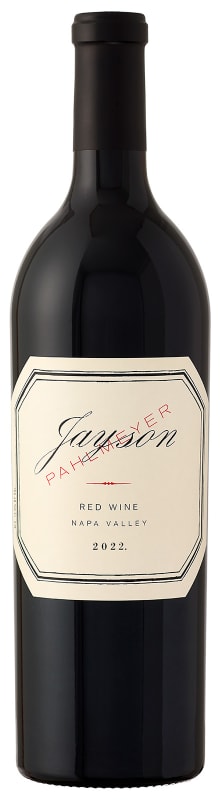


Winemaker Notes
It’s best to serve this rich, layered wine at a temperature between 60°F and 65°F. Open and opulent in its youth, this wine is ready to match with a range of flavorful summer dishes such as Carolina-style pulled pork, bánh mì sandwiches, or bacon cheddar burgers.
Blend: 51% Merlot, 27% Cabernet Sauvignon, 11% Malbec, 7% Petit Verdot, 4% Cabernet Franc
Professional Ratings
-
Decanter
Leaps out of the glass with dusty red berry fruit and currant character, alongside cola nut and walnut husk. Plush plum and dark berry fruit shine, thanks to a healthy dose of Merlot, complemented by fragrant baking spices and rich loamy earth notes. Medium-bodied with gentle tannins, supported by a nice grippy acidity and length, nuanced by mocha and spicy garrigue notes. Easy-going yet wonderfully stylish in 2022. Grape sources include William Hill and Broken Rock in Napa, Stagecoach, Waters, and Round Pond in Rutherford, along with Cabernet Franc and Cabernet Sauvignon from the iconic Monte Rosso Vineyard in Sonoma. Grapes are sorted by hand, fermented in stainless steel with a small percentage in oak tanks, and then aged for 15 months in 65% new French oak. 51% Merlot, 27% Cabernet Sauvignon, 11% Petit Verdot, 7% Cabernet Franc, 4% Malbec.
-
Wine Enthusiast
Layers of pleasing and mouthwatering flavor -- spiced apples and baked pairs with accents of lemon cream and cloves. A creamy mouthfeel carries a generous wine that's full of length and humming persistence.
-
Wine Spectator
A handsomely structured version, with refined black currant, espresso, tomato leaf and toasty spice flavors that persist toward medium-grained tannins. Merlot, Cabernet Sauvignon, Malbec, Petit Verdot and Cabernet Franc. Drink now through 2032.
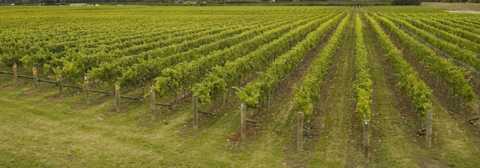
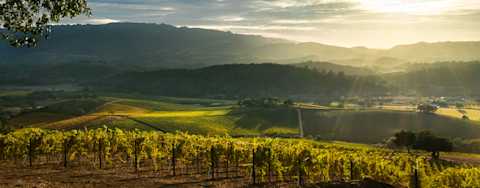
Undoubtedly proving its merit over and over, Napa Valley is a now a leading force in the world of prestigious red wine regions. Though Cabernet Sauvignon dominates Napa Valley, other red varieties certainly thrive here. Important but often overlooked include Merlot and other Bordeaux varieties well-regarded on their own as well as for their blending capacities. Very old vine Zinfandel represents an important historical stronghold for the region and Pinot noir is produced in the cooler southern parts, close to the San Pablo Bay.
Perfectly situated running north to south, the valley acts as a corridor, pulling cool, moist air up from the San Pablo Bay in the evenings during the hot days of the growing season, which leads to even and slow grape ripening. Furthermore the valley claims over 100 soil variations including layers of volcanic, gravel, sand and silt—a combination excellent for world-class red wine production.