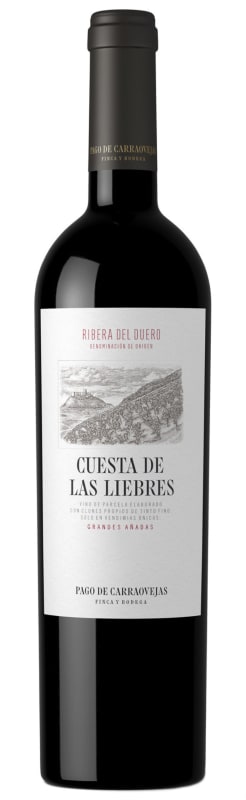


Winemaker Notes
Professional Ratings
-
Jeb Dunnuck
From the vineyard of the same name, the 2021 Cuesta De Las Liebres is a knockout, from a hillside vineyard of terraced vines. Aged 24 months in French oak, the first year in new, the second in second-use, all fine-grained, and bottled in June 2024, the tannins are well-integrated and dusty, nearly chalky. It’s truly a beautiful expression of variety, vintage, and site, reaching perfection in its fine-tuned, full-bodied layers of rich cassis, oak spice, and even a touch of garrigue. There’s lovely acidity throughout that brightens the palate, with beguiling notes of violet that never fade away. It’s a seamless, polished, gorgeous wine that will be hard to resist, though aging will continue to see it melt into one over the next 15-18 years.
-
James Suckling
A very refined, complex wine that’s polished and layered. This is fresh and rich at the same time, with a fine wood influence. Blackberries, cocoa powder, cedar, violets and dark spices. Full-bodied but supple and caressing, with a persistent finish that’s quite a benchmark for Ribera del Duero. Drink or hold.
-
Robert Parker's Wine Advocate
The 2021 Cuesta de Las Liebres is the top of the range and price hierarchy. It was sourced from 3.19 hectares of Tinto Fino planted in 1994 on a 30% slope surrounded by pine trees. The destemmed grapes fermented in small oak vats with indigenous yeasts, and the wine matured in new 225-liter French oak barrels for 24 months. It's showy, spicy, ripe and exuberant but with elegance, retaining poise and freshness. It reached the customary 15% alcohol, showing high ripeness but good balance and very fine tannins. It is a ripe but fresh and quite complete vintage.
-
Wine Spectator
A deep, dark red, with a bright, umami tang of sun-dried tomato layered with plumped black cherry and blackberry fruit, dark chocolate and smoky espresso flavors. There's a creamy feel to the supply, well-knit tannins, providing structure without bulk, while delicate rosemary and paprika accents linger on the finish. Drink now through 2036.
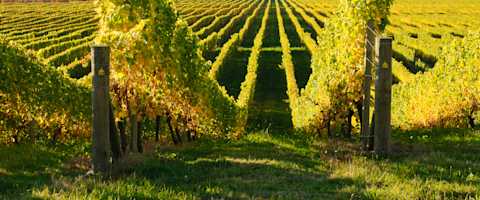
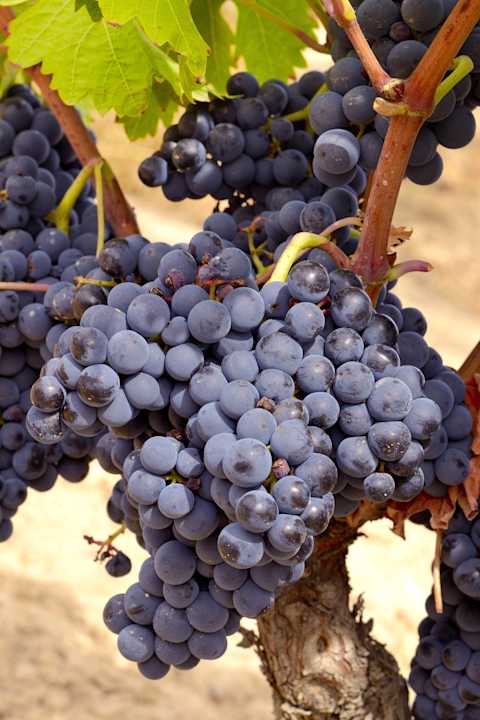
Notoriously food-friendly, long-lasting and Spain’s most widely planted grape, Tempranillo is the star variety of red wines from Rioja and Ribera del Duero. The Rioja terms Joven, Crianza, Reserva and Gran Reserva indicate both barrel and bottle time before release. Traditionally blended in Rioja with Garnacha, plus a bit of Mazuelo (Carignan) and Graciano, the Tempranillo in Ribera del Duero typically stands alone. Somm Secret—Tempranillo claims many different names depending on location. In Penedès, it is called Ull de Llebre and in Valdepeñas, goes by Cencibel. Known as Tinta Roriz in Portugal, Tempranillo plays an important role in Port wine.

Ribera del Duero, Spanish wine region, is located in northen Spain’s Castilla y León region, just a 2-hour drive from Madrid. While winemaking in this area goes back more than 2000 years, it was in the 1980s that 9 wineries applied for and were granted Denominación de Origen (D.O.) status. Today, more than 300 wineries call Ribera del Duero home, including some of Spain’s most iconic names.
Notable Facts Ribera’s main grape variety, Tempranillo, locally know as Tinto Fino, is perfectly suited to the extreme climate of the region, where it must survive scorching summers and frigid winters. Low yields resulting from conscientious tending to old vines planted in Ribera’s diverse soils types, give Ribera wines a distinctive depth and complexity not found in other Tempranillos. Rich and full-bodied, the spice, dark fruit and smoky flavors in a bold Ribera del Duero will pair well with roasted and grilled meats, Mexican food and tomato-based sauces.