


Winemaker Notes
While some other vineyards had unusually generous yields because of the ideal warm conditions during flowering, Fe Ciega suffered from the lack of rainfall. The vines grew with a decided lack of vigor and set a poor crop. Harvest weather was hot and we had to move quickly to capture the fruit before it turned to raisins, but we did it! And that meager crop gave us a wine of intensity and persistence.
As usual, Fe Ciega delivers lots of fruits and spices, but also a charmingly original rustic character that’s quite beguiling. The flavors are robust and fresh and the wine drinks well now, however time is on its side.
Professional Ratings
-
Jeb Dunnuck
One of my favorites in the lineup was the 2015 Pinot Noir Fe Ciega, which comes from a terrific site in the Sta. Rita Hills. Offering terrific, fruit forward notes of framboise, ripe cherries, spice and flowers all flow from this classic, elegant Pinot Noir. It has a sappy, grippy style, plenty of salty minerality and fine tannin. Give it a year.
-
Robert Parker's Wine Advocate
The 2015 Pinot Noir Fe Ciega reveals a sun-kissed bouquet of rhubarb compote, strawberry preserve, red cherries, orange rind and underbrush. On the palate, the wine is medium to full-bodied, rich and textural, with an ample core of ripe fruit, gently chewy tannins and a tangy finish. This is an attractive Pinot Noir, though it's not the most harmonious of Tolmach's 2015s, and my suspicion is that it caught just a touch too much sun.


Thin-skinned, finicky and temperamental, Pinot Noir is also one of the most rewarding grapes to grow and remains a labor of love for some of the greatest vignerons in Burgundy. Fairly adaptable but highly reflective of the environment in which it is grown, Pinot Noir prefers a cool climate and requires low yields to achieve high quality. Outside of France, outstanding examples come from in Oregon, California and throughout specific locations in wine-producing world. Somm Secret—André Tchelistcheff, California’s most influential post-Prohibition winemaker decidedly stayed away from the grape, claiming “God made Cabernet. The Devil made Pinot Noir.”
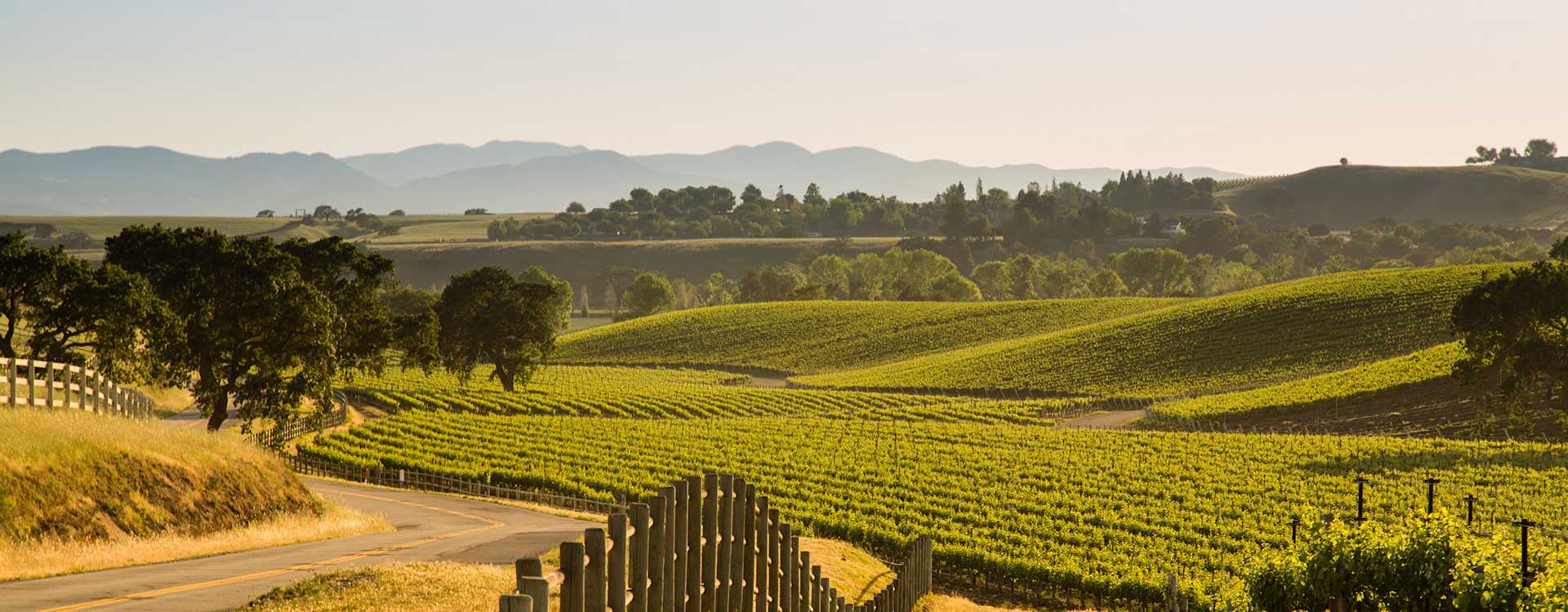
A superior source of California Chardonnay and Pinot Noir, Sta. Rita Hills is the coolest, westernmost sub-region of the larger Santa Ynez Valley appellation within Santa Barbara County. This relatively new AVA is unquestionably one to keep an eye on.
The climate of Sta. Rita Hills is a natural match for Chardonnay and Pinot noir, thanks to the crisp ocean breezes and well-drained, limestone-rich calcareous soil. Here, grapes ripen just enough, while retaining brisk acidity and harmonious balance.