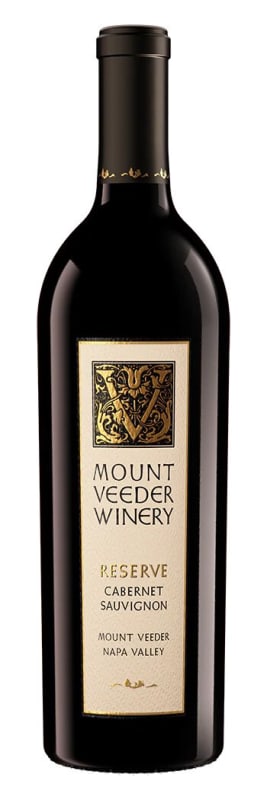


Winemaker Notes
Professional Ratings
-
James Suckling
So perfumed, elegant and complete, this is a beautifully balanced wine that’s tempting to drink now for its silky tannins, subtle spices and pure cassis and black cherry flavors. Full-bodied, finely textured, and concentrated. Drink or hold.
-
Wine Spectator
A nicely packed version, with dark currant and blackberry paste flavors that meld steadily with notes of ganache, warm earth and dark tobacco. This flashes a burly side, with chestnut and walnut husk hints on the grippy, old-school–styled finish. Best from 2026 through 2040.
-
Jeb Dunnuck
Coming all from the Mount Veeder appellation, the 2021 Cabernet Sauvignon Reserve is similarly deep ruby/plum-hued yet brings considerably more density and depth. Blackcurrants, woodsmoke, resinous herbs, sagebrush, and graphite all define the aromatics, and it's medium to full-bodied on the palate, with impressive concentration. As with most Mount Veeder Cabernet Sauvignons, it's structured and needs at least a few years of bottle age, but this is rock solid and should have 15 years or more of longevity.

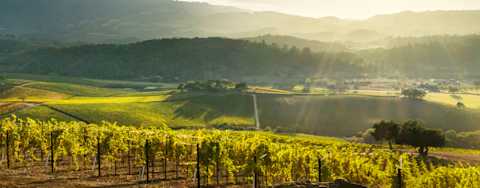
One of the most prestigious wines of the world capable of great power and grace, Napa Valley Cabernet is a leading force in the world of fine, famous, collectible red wine. Today the Napa Valley and Cabernet Sauvignon are so intrinsically linked that it is difficult to discuss one without the other. But it wasn’t until the 1970s that this marriage came to light; sudden international recognition rained upon Napa with the victory of the Stag’s Leap Wine Cellars 1973 Cabernet Sauvignon in the 1976 Judgement of Paris.
Cabernet Sauvignon undoubtedly dominates Napa Valley today, covering half of the land under vine, commanding the highest prices per ton and earning the most critical acclaim. Cabernet Sauvignon’s structure, acidity, capacity to thrive in multiple environs and ability to express nuances of vintage make it perfect for Napa Valley where incredible soil and geographical diversity are found and the climate is perfect for grape growing. Within the Napa Valley lie many smaller sub-AVAs that express specific characteristics based on situation, slope and soil—as a perfect example, Rutherford’s famous dust or Stags Leap District's tart cherry flavors.