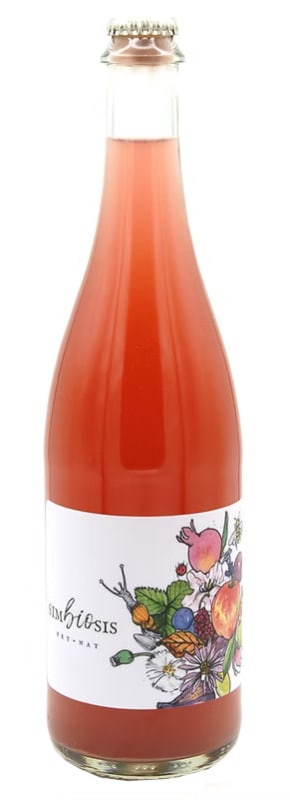


Winemaker Notes


A term typically reserved for Champagne and Sparkling Wines, non-vintage or simply “NV” on a label indicates a blend of finished wines from different vintages (years of harvest). To make non-vintage Champagne, typically the current year’s harvest (in other words, the current vintage) forms the base of the blend. Finished wines from previous years, called “vins de reserve” are blended in at approximately 10-50% of the total volume in order to achieve the flavor, complexity, body and acidity for the desired house style. A tiny proportion of Champagnes are made from a single vintage.
There are also some very large production still wines that may not claim one particular vintage. This would be at the discretion of the winemaker’s goals for character of the final wine.

The Americas’ oldest wine producing country, Mexico began to produce wine grapes just one year after the arrival of the Spanish in 1520. In the next decade, King Carlos V of Spain ordered that every ship headed to the New World carry vines for cultivation. Over time viticulture spread northwards through the missions into today’s state of California but since then Mexican viticulture and winemaking has faced many challenges. Today the country is experiencing a rebirth with renewed interest in its potential. While there are seven wine producing states in Mexico, the Mediterranean climate of Baja California makes it Mexico’s most important. Most of the state of California’s principal varieties grow here with great success.