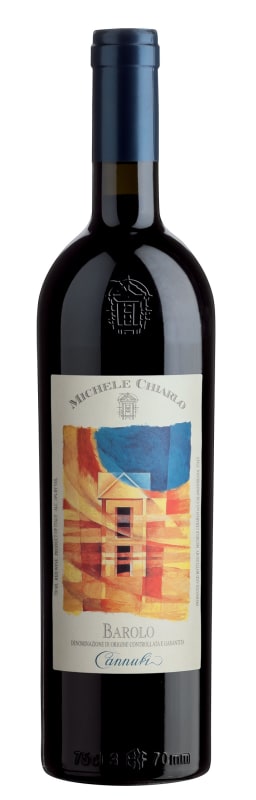


Winemaker Notes
Professional Ratings
-
Wine Enthusiast
There is something wild about this Barolo that surrounds you rather than announces itself, wild cherries, dried blood orange, allspice and dried roses drifting in like a warm summer dusty road blowing through an open window. Haunting is the right word. The palate gathers red berries and tart citrus with pink pepper and cork-like spices leading to crushed chalk while superfine tannins carry remarkable voume without a hint of aggression. Cellar Selection.
-
James Suckling
A graceful, spicy wine with aromas of mint, licorice, dried cherries, potpourri and balsamic. Full-bodied, it shows ripeness, velvety tannins, refreshing acidity and a long, savory finish. Classic and harmonious. Drinkable now, but best from 2027.
-
Decanter
Chiarlo owns a precious one-hectare slice of the Cannubi hill: just a few terraced rows on its steep, sun-drenched slope. The 2022 exhibits well defined aromas of raspberry, brushwood, pepper and cinnamon. It is youthfully austere but with an underlying sense of symmetry, where crunchy cranberry and redcurrant suffuse the core. The tannins are sinewy in muscle, exercising controlled vigour, while a fine, powdered texture makes for enticing mid-palate drama. I love the slightly salty edge.
-
Robert Parker's Wine Advocate
From one of Barolo's most celebrated vineyard sites, the Michele Chiarlo 2022 Barolo Cannubi is characterized by a fragrant bouquet of sweet cherry, rose petal and lavender. Fermented in 55-hectoliter oak vats with 20 days of skin contact before aging in oak, the wine carries that gentle sweetness onto the palate with flavors of red licorice and iris root. The sandy and marl soils of Cannubi usually lend finesse and elegance, but in this warm vintage, the wine ultimately lacks the extreme precision and definition the site is known for.
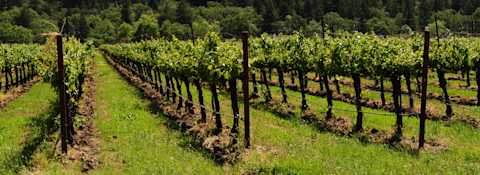
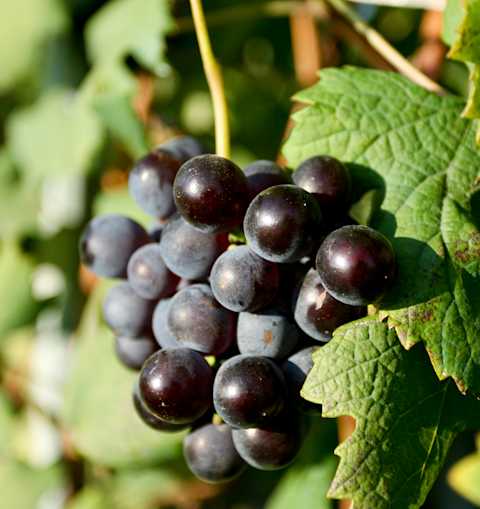
Responsible for some of the most elegant and age-worthy wines in the world, Nebbiolo, named for the ubiquitous autumnal fog (called nebbia in Italian), is the star variety of northern Italy’s Piedmont region. Grown throughout the area, as well as in the neighboring Valle d’Aosta and Valtellina, it reaches its highest potential in the Piedmontese villages of Barolo, Barbaresco and Roero. Outside of Italy, growers are still very much in the experimentation stage but some success has been achieved in parts of California. Somm Secret—If you’re new to Nebbiolo, start with a charming, wallet-friendly, early-drinking Langhe Nebbiolo or Nebbiolo d'Alba.

The center of the production of the world’s most exclusive and age-worthy red wines made from Nebbiolo, the Barolo wine region includes five core townships: La Morra, Monforte d’Alba, Serralunga d’Alba, Castiglione Falletto and the Barolo village itself, as well as a few outlying villages. The landscape of Barolo, characterized by prominent and castle-topped hills, is full of history and romance centered on the Nebbiolo grape. Its wines, with the signature “tar and roses” aromas, have a deceptively light garnet color but full presence on the palate and plenty of tannins and acidity. In a well-made Barolo wine, one can expect to find complexity and good evolution with notes of, for example, strawberry, cherry, plum, leather, truffle, anise, fresh and dried herbs, tobacco and violets.
There are two predominant soil types here, which distinguish Barolo from the lesser surrounding areas. Compact and fertile Tortonian sandy marls define the vineyards farthest west and at higher elevations. Typically the Barolo wines coming from this side, from La Morra and Barolo, can be approachable relatively early on in their evolution and represent the “feminine” side of Barolo, often closer in style to Barbaresco with elegant perfume and fresh fruit.
On the eastern side of the Barolo wine region, Helvetian soils of compressed sandstone and chalks are less fertile, producing wines with intense body, power and structured tannins. This more “masculine” style comes from Monforte d’Alba and Serralunga d’Alba. The township of Castiglione Falletto covers a spine with both soil types.
The best Barolo wines need 10-15 years before they are ready to drink, and can further age for several decades.