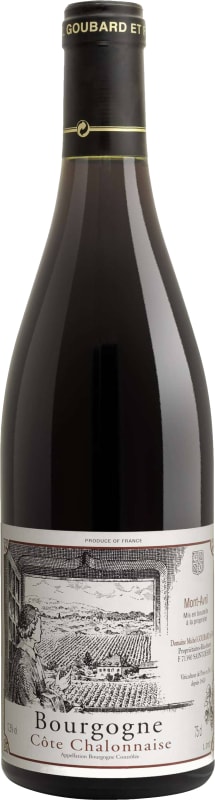


Winemaker Notes
Offers plenty of bright, cherry fruit on the nose, and soft, supple tannins on the palate.
Enjoy with strong cheeses, game birds, stewed meats, or hearty baked dishes such as Shepherd’s Pie.
Professional Ratings
-
Jeb Dunnuck
A pretty, graceful, and almost delicate Pinot Noir from a single vineyard, the 2024 Bourgogne Côte Chalonnaise Mont-Avril has a classy, cool-climate nose of crunchy red berries, violets, cherries, and peppery herbs. It's medium-bodied on the palate, with a pure, focused, graceful mouthfeel, nicely integrated acidity, and a great finish. It's not massive by any means, yet it just shines for its pretty, pure style. Drink this lovely effort over the coming 5-7 years. Drink 2026-2033.


Thin-skinned, finicky and temperamental, Pinot Noir is also one of the most rewarding grapes to grow and remains a labor of love for some of the greatest vignerons in Burgundy. Fairly adaptable but highly reflective of the environment in which it is grown, Pinot Noir prefers a cool climate and requires low yields to achieve high quality. Outside of France, outstanding examples come from in Oregon, California and throughout specific locations in wine-producing world. Somm Secret—André Tchelistcheff, California’s most influential post-Prohibition winemaker decidedly stayed away from the grape, claiming “God made Cabernet. The Devil made Pinot Noir.”

Situated south of the Côte d’Or and above the Mâconnais, the Côte Chalonnaise produces well-esteemed red and white wines.
Côte Chalonnaise includes five village appellations: Mercurey and Givry focus on Pinot Noir; Montagny is exclusive to Chardonnay; Rully makes red, white and sparkling wines; while Bouzeron is an appellation committed to the Aligoté grape.
The limestone soils in the Côte Chalonnaise are similar to those of the Côte d’Or, but the vineyards are more scattered because a lack of one continuous escarpment.