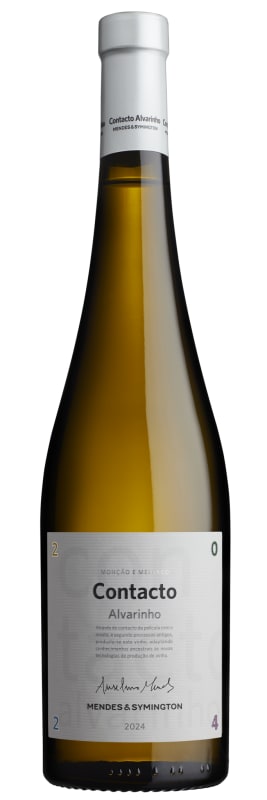


Winemaker Notes
Pale lemon color. Pronounced intensity on the nose markedly mineral and slim. Very present
citrus notes and complexity on the palate. Light notes of tea and grapefruit, offering structure combined with a great untuosity and creaminess. Long and complex finish.
Professional Ratings
-
Decanter
A fine expression of Alvarinho, with elegant expressiveness, seductive restraint and beautiful texture. Gentle floral notes (chamomile, jasmine, cherry blossom) hover elegantly over crunchy pear and pineapple. Underneath, cooling wet stone reveals the structure and strong mineral backbone. Sprinkled abundantly with lime zest and pear peel. Lingers on the palate with a flinty grip and flinty freshness.
-
James Suckling
Fennel and clementine peel with a floral touch. Vibrant and medium-bodied, this has incisive freshness that drives the palate, plus a pleasant bitter note in the finish.
-
Wine Spectator
An elegant white, with a supple feel to the well-meshed flavors of poached pear, blood orange pith, lemon thyme and blanched almond. Salty and refreshing on the lightly spiced finish.
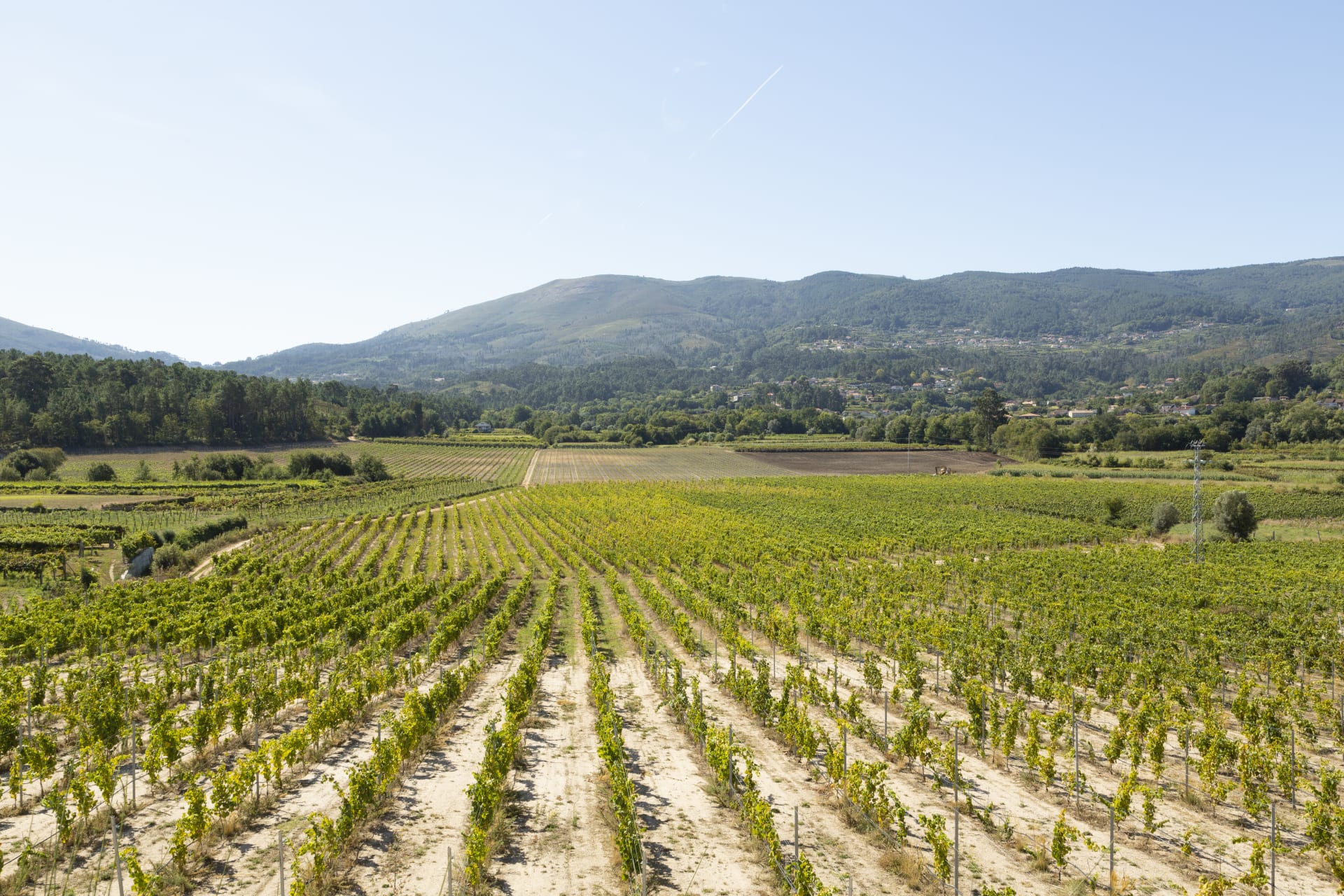


Bright and aromatic with distinctive floral and fruity characteristics, Albariño has enjoyed a surge in popularity and an increase in plantings over the last couple of decades. Thick skins allow it to withstand the humid conditions of its homeland, Rías Baixas, Spain, free of malady, and produce a weighty but fresh white. Somm Secret—Albariño claims dual citizenship in Spain and Portugal. Under the name Alvarinho, it thrives in Portugal’s northwestern Vinho Verde region, which predictably, borders part of Spain’s Rías Baixas.

A cheerful, translucid, lemon-yellow and slightly pétillant white wine, Vinho Verde literally means ‘green wine’ and is named after the northwest Portugese region from which it originates. The ‘green’ in the name refers to the youthful state in which the wines are customarily released and consumed, not the color of the wine.
It is typically a blend of various percentages of Alvarinho, Loureiro, Trajadura, and Pedernã (Arinto). Following initial alcoholic fermentation, a natural, secondary malolactic conversion in cask produces carbon dioxide, giving Vinho Verde its charmingly light sparkle.