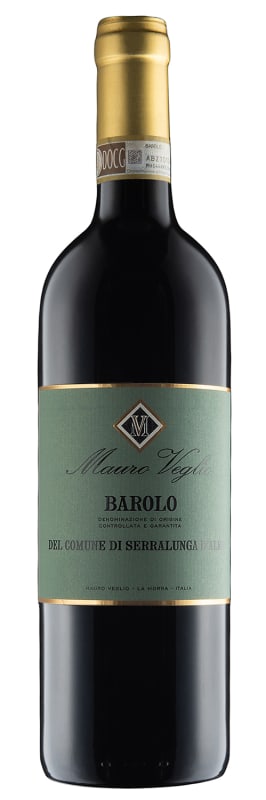


Winemaker Notes
Professional Ratings
-
Wine Enthusiast
Stretched between the Manocino and Lirano MGAs, this wine carries the unmistakable character of Serralunga in every sip. Cherry jam and cinnamon spice open invitingly before an iron and blood note pulls the nose somewhere deeper and more serious. The palate delivers on that promise, juicy red fruit riding over a firm, structured bass note that reveals the gentle giant within. Drink now to 2040.
-
James Suckling
Very fragrant and floral, with red cherries and dried herbs. The medium- to full-bodied palate has depth, showing fine-grained, integrated tannins and intense red fruit with vibrant acidity. Cohesive and complete. Better from 2028.
-
Robert Parker's Wine Advocate
The Mauro Veglio 2022 Barolo del Comune di Serralunga d'Alba is a little shy on first nose, showing a touch of reduction in this early stage of its evolution. Beyond a slightly metallic note are layers of wild fruit, blackcurrant, licorice, tar and iron ore. That rusty ferrous character is often associated with the wines of Serralunga d'Alba, and the longer this wine remains in the glass, the more polished and refined that note becomes. Aged for 24 months in large oak cask rather than barrique, the wine ultimately reveals a more classical expression of Nebbiolo with firm structure, mineral depth and a sense of restraint that should serve it well over time.
-
Vinous
The 2022 Barolo del Comune di Serralunga d'Alba is a blend of two adjacent sites. Dried cherry, iron, white pepper, chalk, mint and slate are all finely sculpted. This mid-weight, sinewy Barolo is persistent and nuanced, but it's also on the lighter side texturally.
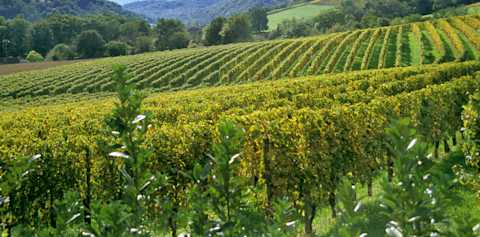
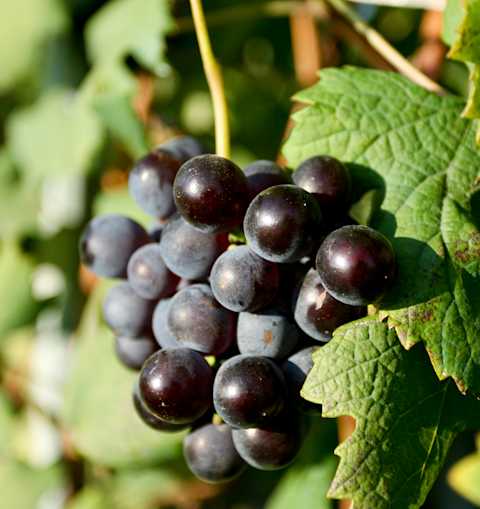
Responsible for some of the most elegant and age-worthy wines in the world, Nebbiolo, named for the ubiquitous autumnal fog (called nebbia in Italian), is the star variety of northern Italy’s Piedmont region. Grown throughout the area, as well as in the neighboring Valle d’Aosta and Valtellina, it reaches its highest potential in the Piedmontese villages of Barolo, Barbaresco and Roero. Outside of Italy, growers are still very much in the experimentation stage but some success has been achieved in parts of California. Somm Secret—If you’re new to Nebbiolo, start with a charming, wallet-friendly, early-drinking Langhe Nebbiolo or Nebbiolo d'Alba.

The center of the production of the world’s most exclusive and age-worthy red wines made from Nebbiolo, the Barolo wine region includes five core townships: La Morra, Monforte d’Alba, Serralunga d’Alba, Castiglione Falletto and the Barolo village itself, as well as a few outlying villages. The landscape of Barolo, characterized by prominent and castle-topped hills, is full of history and romance centered on the Nebbiolo grape. Its wines, with the signature “tar and roses” aromas, have a deceptively light garnet color but full presence on the palate and plenty of tannins and acidity. In a well-made Barolo wine, one can expect to find complexity and good evolution with notes of, for example, strawberry, cherry, plum, leather, truffle, anise, fresh and dried herbs, tobacco and violets.
There are two predominant soil types here, which distinguish Barolo from the lesser surrounding areas. Compact and fertile Tortonian sandy marls define the vineyards farthest west and at higher elevations. Typically the Barolo wines coming from this side, from La Morra and Barolo, can be approachable relatively early on in their evolution and represent the “feminine” side of Barolo, often closer in style to Barbaresco with elegant perfume and fresh fruit.
On the eastern side of the Barolo wine region, Helvetian soils of compressed sandstone and chalks are less fertile, producing wines with intense body, power and structured tannins. This more “masculine” style comes from Monforte d’Alba and Serralunga d’Alba. The township of Castiglione Falletto covers a spine with both soil types.
The best Barolo wines need 10-15 years before they are ready to drink, and can further age for several decades.