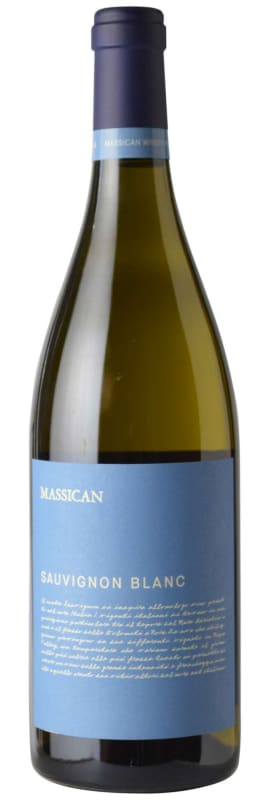


Winemaker Notes
This wine features bright aromas of lemon verbena, green apples, and cut grass. On the palate, it reveals lively flavors of pineapple, grapefruit, and lime zest, delivering a fresh and zesty profile.
Professional Ratings
-
James Suckling
A strongly aromatic, crisp and citrus-driven wine. Light-bodied and quite tangy in acidity, showing grapefruit, kiwis and lime zest with mineral, chalky notes in the finish. Lean, fresh and linear.
-
Wine Enthusiast
This wine is lush, with aromatics of marigold, orange marmalade, makrut lime, and clove on the nose. The palate offers youthful green apple, lemon zest, cantaloupe, green olive, and bright acidity to finish.
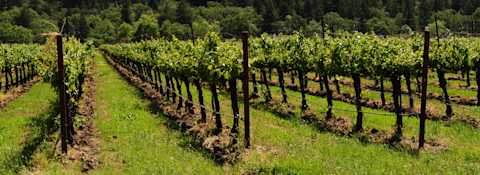
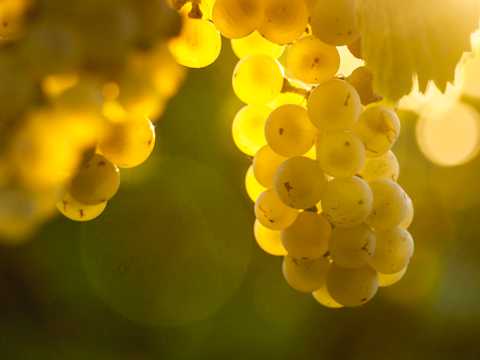
Capable of a vast array of styles, Sauvignon Blanc is a crisp, refreshing variety that equally reflects both terroir and varietal character. Though it can vary depending on where it is grown, a couple of commonalities always exist—namely, zesty acidity and intense aromatics. This variety is of French provenance. Somm Secret—Along with Cabernet Franc, Sauvignon Blanc is a proud parent of Cabernet Sauvignon. That green bell pepper aroma that all three varieties share is no coincidence—it comes from a high concentration of pyrazines (herbaceous aromatic compounds) inherent to each member of the family.
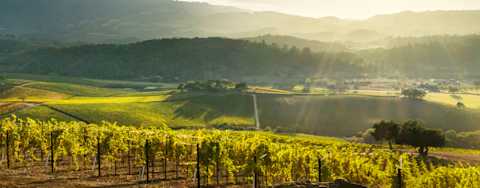
One of the world's most highly regarded regions for wine production as well as tourism, the Napa Valley was responsible for bringing worldwide recognition to California winemaking. In the 1960s, a few key wine families settled the area and hedged their bets on the valley's world-class winemaking potential—and they were right.
The Napa wine industry really took off in the 1980s, when producers scooped up vineyard lands and planted vines throughout the county. A number of wineries emerged, and today Napa is home to hundreds of producers ranging from boutique to corporate. Cabernet Sauvignon is definitely the grape of choice here, with many winemakers also focusing on Bordeaux blends. White wines from Napa Valley are usually Chardonnay and Sauvignon Blanc.
Within the Napa Valley lie many smaller sub-AVAs that claim specific wine characteristics based on situation, slope and soil. Farthest south and coolest from the influence of the San Pablo Bay is Carneros, followed by Coombsville to its northeast and then Yountville, Oakville and Rutherford. Above those are the warm St. Helena and the valley's newest and hottest AVA, Calistoga. These areas follow the valley floor and are known generally for creating rich, dense, complex and smooth red wines with good aging potential. The mountain sub appellations, nestled on the slopes overlooking the valley AVAs, include Stags Leap District, Atlas Peak, Chiles Valley (farther east), Howell Mountain, Mt. Veeder, Spring Mountain District and Diamond Mountain District. Napa Valley wines from the mountain regions are often more structured and firm, benefiting from a lot of time in the bottle to evolve and soften.