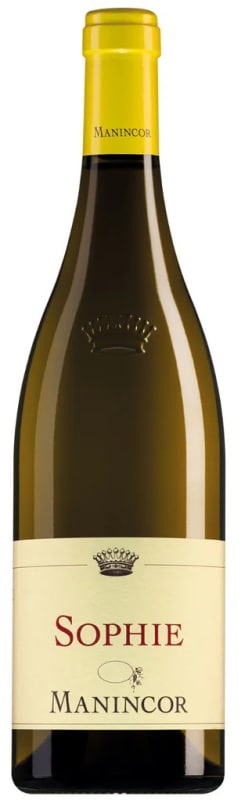


Winemaker Notes
A brilliant yellow in the glass. On the nose, fruity notes of apricot and orange, complemented by acacia and linden blossoms, underpinned by mineral hints reminiscent of wet stone. On the palate, dense and powerful, yet finely structured with a long-lasting minerality.
Pairs beautifully with shellfish, poultry, and flavorful fish dishes; also an excellent match with aromatic cheeses.
Blend: 93% Chardonnay, 4% Sauvignon Blanc, 3% Viognier
Vegan-Friendly
Professional Ratings
-
James Suckling
Lemon blossoms, dried lemons and minerals. Perfumed, with just a hint of herbs. Medium-bodied, offering a sliced-citrus and honey undertone and a floral finish. Dry, focused and crisp, with a creamy texture. From biodynamically grown grapes with Respekt certification. Drink or hold.


One of the most popular and versatile white wine grapes, Chardonnay offers a wide range of flavors and styles depending on where it is grown and how it is made. While it tends to flourish in most environments, Chardonnay from its Burgundian homeland produces some of the most remarkable and longest lived examples. California produces both oaky, buttery styles and leaner, European-inspired wines. Somm Secret—The Burgundian subregion of Chablis, while typically using older oak barrels, produces a bright style similar to the unoaked style. Anyone who doesn't like oaky Chardonnay would likely enjoy Chablis.
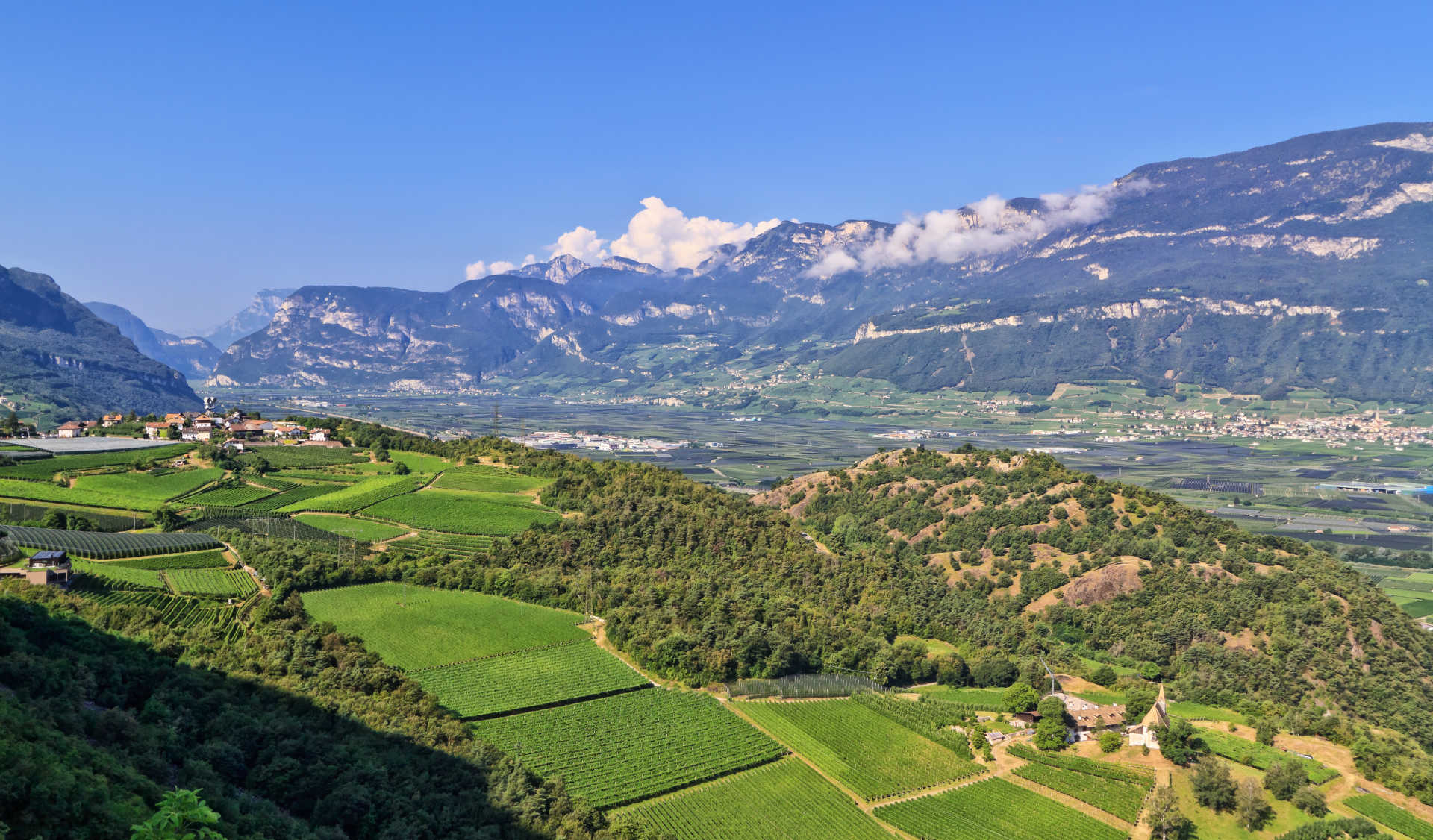
A mountainous northern Italian region heavily influenced by German culture, Trentino-Alto Adige is actually made up of two separate but similar regions: Alto Adige and Trentino.
Trentino, the southern half, is primarily Italian-speaking and largely responsible for the production of non-native, international grapes. There is a significant quantity of Chardonnay, Pinot Grigio and Merlot produced. But Trentino's native and most unique red variety, Teroldego, while still rare, is gaining popularity. It produces a deeply colored red wine rich in wild blackberry, herb, coffee and cocoa.
The rugged terrain of German-speaking Alto Adige (also referred to as Südtirol) focuses on small-scale viticulture, with great value placed on local varieties—though international varieties have been widely planted since the 1800s. Sheltered by the Alps from harsh northerly winds, many of the best vineyards are at extreme altitude but on steep slopes to increase sunlight exposure.
Dominant red varieties include the bold, herbaceous Lagrein and delicate, strawberry-kissed, Schiava, in addition to some Pinot Nero.
The primary white grapes are Pinot grigio, Gewürztraminer, Chardonnay and Pinot blanc, as well as smaller plantings of Sauvignon blanc, Müller Thurgau. These tend to be bright and refreshing with crisp acidity and just the right amount of texture. Some of the highest quality Pinot grigio in Italy is made here.