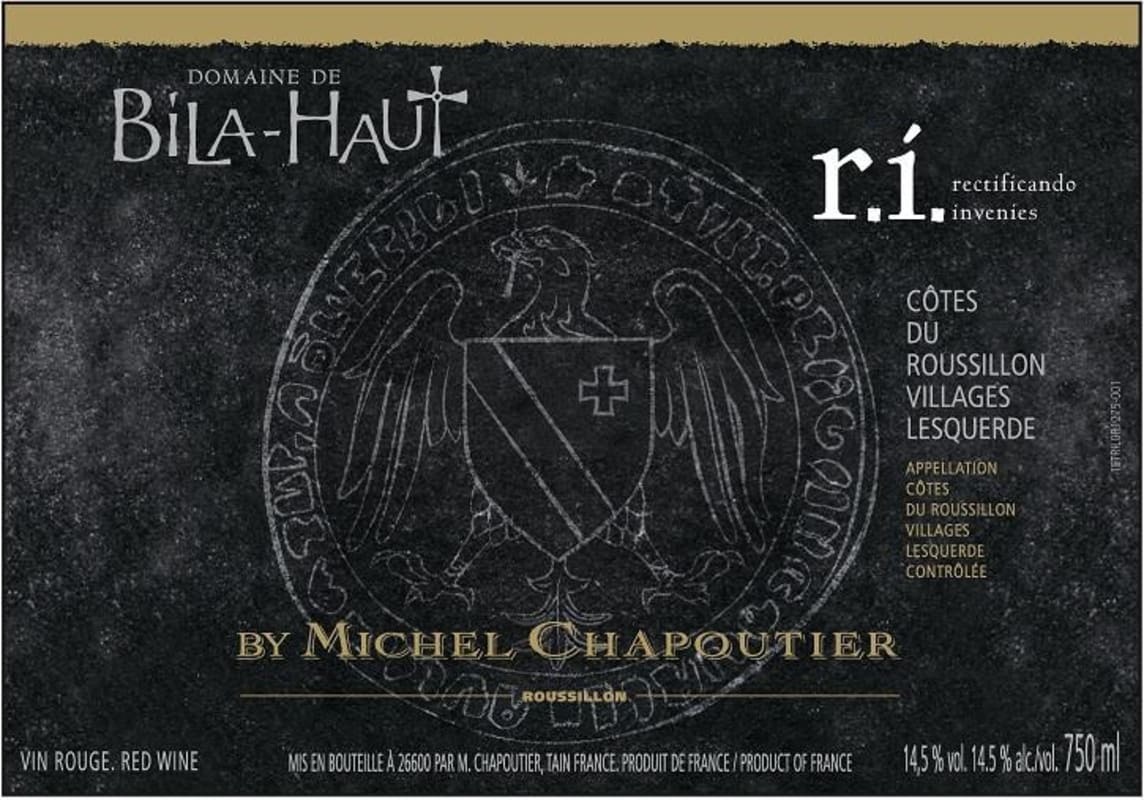

Winemaker Notes



No name is more closely associated with the greatness of the Rhone valley than Chapoutier.
The history of the Chapoutier family stretches back to the early nineteenth century when current owner Michel Chapoutier's great-, great-, great-grandfather Marius purchased an estate and some vineyards in the now famous village of Tain l'Hermitage in the Northern Rhône Valley. Marius Chapoutier made history in the region when he became the first grape grower there to vinify his own fruit. Marius had tasted wines other winemakers produced using his fruit and he realized that something was lost in translation, so to speak. He knew that he owned some of the best growing sites in the appellation and he believed — rightly — that the grapes grown in his vineyards could produce long-lived world-class wines. In a move unusual at the time, he decided that he should make the wine himself. Not only did the quality of the wines increase greatly, but this move provided the capital to expand the Chapoutiers’ already legendary estate.
A visionary and pioneer in biodynamic winemaking, his restless energy and unconditional commitment to quality have produced tremendous success, with the most 90+ point ratings of all Rhône producers and 16 "100 point" rated wines.
Sothis Gin is distilled from grapes and plants grown near the vineyards. This family domaine is cultivated using biodynamic practices in which plants play a central role. In their wild state they offer M. Chapoutier a better understanding of the soils. When used in vine treatments they help to nourish plant life and support plant growth. They have selected a few of these plants in order to offer a new perspective of their terroirs, the story of a gin originating from the Tain l’Hermitage vineyards and their floral heritage. They have been honing this recipe for many months under the watchful eye of Sothis, the star and also the ancient Goddess who teaches us that cultivating the land is a means of moving closer to the stars.

With bold fruit flavors and accents of sweet spice, Grenache, Syrah and Mourvèdre form the base of the classic Rhône Red Blend, while Carignan, Cinsault and Counoise often come in to play. Though they originated from France’s southern Rhône Valley, with some creative interpretation, Rhône blends have also become popular in other countries. Somm Secret—Putting their own local spin on the Rhône Red Blend, those from Priorat often include Merlot and Cabernet Sauvignon. In California, it is not uncommon to see Petite Sirah make an appearance.

An appellation solely for dry red wines from Roussillon, Côtes du Roussillon-Villages is a step up in quality compared to, simply, Côtes du Roussillon. The area is in the northern third of Roussillon, bordered on its southern end by the Têt River, which runs precisely from west to east. Five villages can append their own name to the Côtes du Roussillon-Villages appellation name: Caramany, Latour de France, Lesquerde, Tautavel and the last, south of the Têt River, Les Aspres.
Côtes du Roussillon-Villages red wines are blends made from Grenache, Syrah, Mourvedre and small amounts of Carignan, Cinsault and the lesser known, Lledoner Pelut (a relative of Grenache).