

Winemaker Notes
Nose: fruity, delicate, but penetrating and persistent
Taste: a wine with elegant, medium body; not aggressive, soft and well balanced
Aging potential: already pleasant for immediate enjoyment, it further improves with bottle aging
Wine & food pairing: a perfect wine both for everyday meals and for special dishes, with pasta or risotto, steaks, lamb, roasted white or red meats, barbecued foods and naturally, cheeses. Thanks to its medium body it is also excellent for the preparation of sauces.
Alcohol by volume: 12%
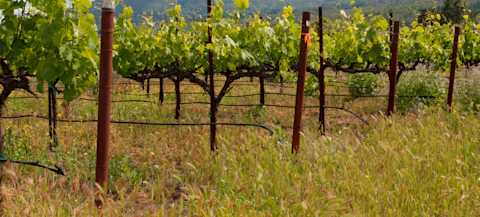

Italian Red Wine
While picturesque hillsides, endless coastlines and a favorable climate serve to unify the grape-growing culture of this country. The apparent never-ending world of indigenous grape varieties gives Italy an unexampled charm and allure for its red wines. From the steep inclines of the Alps to the sprawling, warm, coastal plains of the south, red grape varieties thrive throughout.
The kings of Italy, wines like Barolo and Barbaresco (made of Nebbiolo), and Chianti and Brunello di Montalcino (made of Sangiovese), as well as Amarone (mostly Corvina), play center stage for the most lauded, collected and cellar-worthy reds. Less popular but entirely deserving of as much praise are the wines made from Aglianico, Sagrantino and Nerello Mascalese.
For those accustomed to drinking New World reds, the south is the place to start. Grapes like Negroamaro or Primitvo from Puglia and Nero d’Avola from Sicily make soft, ammicable, full-bodied, fruit-dominant wines. Curious palates should be on the lookout for Cannonau (Grenache), Lagrein, Teroldego, Ruché, Freisa, Cesanese, Schiopettino, Rossese and Gaglioppo to name a few.