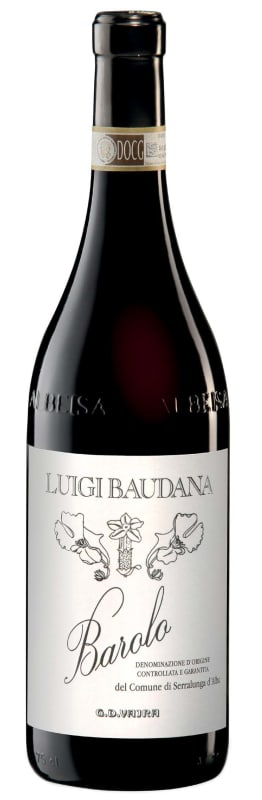


Winemaker Notes
A red garnet hue with aromas of red fruits, candied flowers and cedar lying on hints of leather and spices. Warm, soft and dry, it has full-bodied tannins, but balanced by a fresh and gentle acidity. The structure is powerful in every aspect.
Professional Ratings
-
Decanter
This admirable wine (our fourteenth Best In Show Barolo or Barolo Riserva) offers a serene and commanding reading of the warm 2022 vintage, one without any sense of stress or excessive heat. It's deep though translucent in colour, with soft, sweet aromas of burnished, autumn-warm red fruits infused with floral charm and lent extra complexity by forest and tea-leaf notes. You just know it's going to be graceful and deft on the palate, and sure enough it is – but it's also gathered, serious, taut and aromatically complex right until the final notes have faded. Its tannins are splendid: ample, soft but detaining, lending the wine gastronomic seriousness and finesse. Fine vineyard origins are surely in evidence here, as well as impeccable cellar work – and there’s no hurry to drink, though the wine is approachable already.
-
Jeb Dunnuck
A bright medium ruby hue, the 2022 Barolo Del Comune Di Serralunga D’Alba delivers appealing intensity while remaining pure and lifted. Aromas of ripe cherry, pie spice, crushed flowers, and subtle licorice emerge from the glass. Medium-bodied, it fills the palate with silky tannins, refreshing acidity, and a lingering finish with a gentle citrus oil nuance.
-
Wine Enthusiast
his wine lifts with a grace and purity that sets the tone immediately, mixed red fruits spanning fresh to dried with a quality and clarity that needs no explanation. The palate follows with tart red fruits swimming alongside sweet spices and plump, cooked red plums, a touch of fine herbs threading through and keeping everything focused. Serralunga elegance wearing its very best. Cellar Selection.
-
Robert Parker's Wine Advocate
The Luigi Baudana 2022 Barolo del Comune di Serralunga d'Alba opens with a pop of cherry alongside subtle tones of blood orange, ferrous earth and a spicy hint of ginger, while a warm-vintage note of dried plum also emerges. The Baudana estate, now farmed by the Vajra family, is rooted in Serralunga d’Alba, where compact soils and a cooler hilltop position often lend Barolo both structure and aromatic precision. This is a classic expression of Serralunga d’Alba with enough power to pair with important dishes, yet the warmth of the vintage brings tamer, sweeter tannins and a more accessible profile.
-
Vinous
The 2022 Barolo del Comune di Serralunga d'Alba is a fine village-level bottling from Baudana. Macerated cherry, dried herbs, orange peel, cedar and sweet pipe tobacco lend notable aromatic presence. On the palate, though, the 2022 feels a bit soft and lacks the mid-palate depth found in the best years. It's a solid effort for the year.
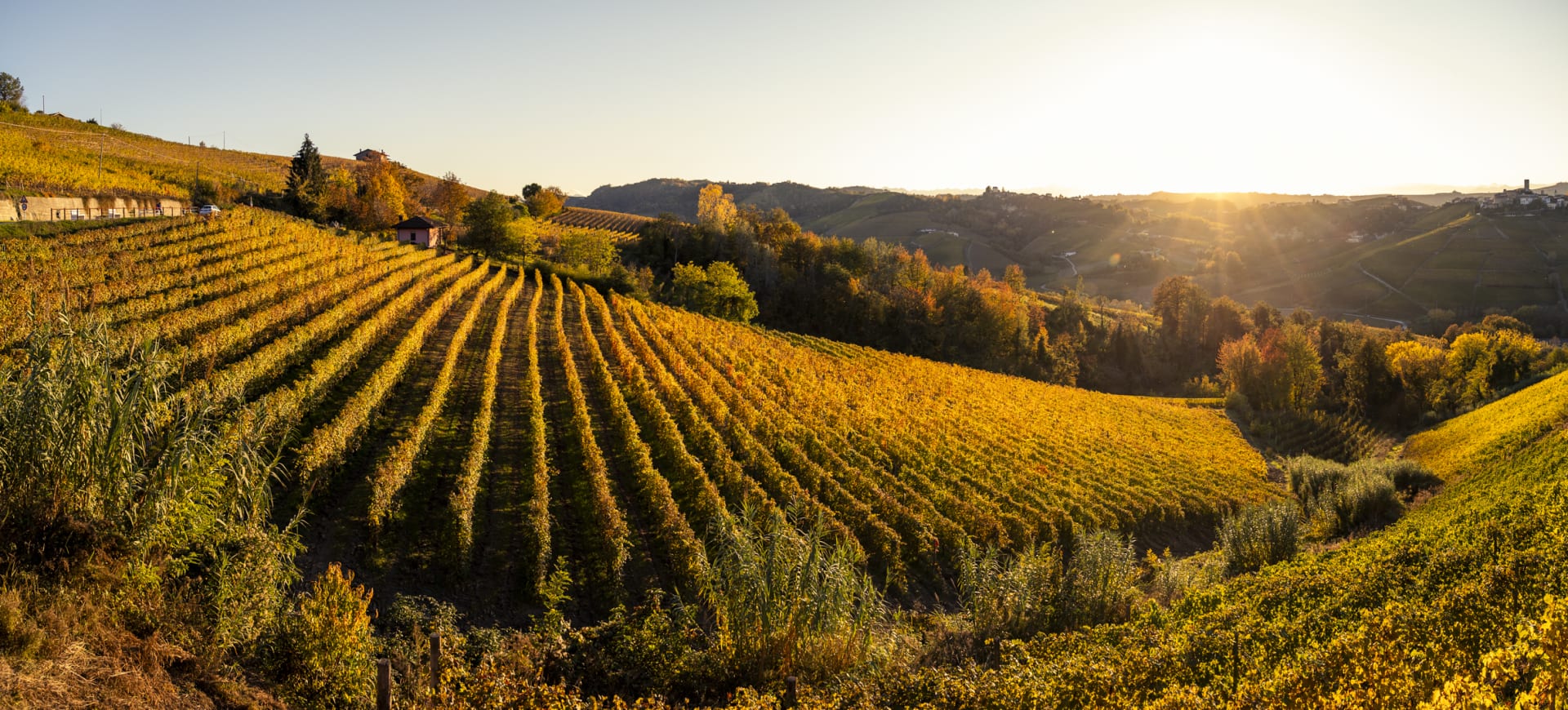


Luigi Baudana is one of the last garagiste estates in Langhe. With just 4 quality hectares, located in some of the most prestigious Barolo crus in Serralunga d'Alba. The wines of the Luigi Baudana collection are an expression of powerful, genuine and true-to-terroir wines, expressing the best of the Nebbiolo grape.
The origin of the cellar is lost in time: Baudana is the name of the family, but it is also the name of the vineyard and of the hamlet of Serralunga d'Alba, where the winery is located.
For over thirty years, Luigi and Fiorina Baudana have grown the vineyards that have belonged to their family for generations. They cared for their vineyards with the same tenderness of their own love and with the same warmth emanating from their cellar, born under the vaults of their home.
From the very beginning, the Vaira family have been impressed by Luigi and Fiorina's ambition, as well as pride in their work. Their mission every day is for Luigi and Fiorina to be proud of the vineyards and of the wines, whilst perpetuating their gestures and seeking for the authenticity of every single vineyard.

Responsible for some of the most elegant and age-worthy wines in the world, Nebbiolo, named for the ubiquitous autumnal fog (called nebbia in Italian), is the star variety of northern Italy’s Piedmont region. Grown throughout the area, as well as in the neighboring Valle d’Aosta and Valtellina, it reaches its highest potential in the Piedmontese villages of Barolo, Barbaresco and Roero. Outside of Italy, growers are still very much in the experimentation stage but some success has been achieved in parts of California. Somm Secret—If you’re new to Nebbiolo, start with a charming, wallet-friendly, early-drinking Langhe Nebbiolo or Nebbiolo d'Alba.

The center of the production of the world’s most exclusive and age-worthy red wines made from Nebbiolo, the Barolo wine region includes five core townships: La Morra, Monforte d’Alba, Serralunga d’Alba, Castiglione Falletto and the Barolo village itself, as well as a few outlying villages. The landscape of Barolo, characterized by prominent and castle-topped hills, is full of history and romance centered on the Nebbiolo grape. Its wines, with the signature “tar and roses” aromas, have a deceptively light garnet color but full presence on the palate and plenty of tannins and acidity. In a well-made Barolo wine, one can expect to find complexity and good evolution with notes of, for example, strawberry, cherry, plum, leather, truffle, anise, fresh and dried herbs, tobacco and violets.
There are two predominant soil types here, which distinguish Barolo from the lesser surrounding areas. Compact and fertile Tortonian sandy marls define the vineyards farthest west and at higher elevations. Typically the Barolo wines coming from this side, from La Morra and Barolo, can be approachable relatively early on in their evolution and represent the “feminine” side of Barolo, often closer in style to Barbaresco with elegant perfume and fresh fruit.
On the eastern side of the Barolo wine region, Helvetian soils of compressed sandstone and chalks are less fertile, producing wines with intense body, power and structured tannins. This more “masculine” style comes from Monforte d’Alba and Serralunga d’Alba. The township of Castiglione Falletto covers a spine with both soil types.
The best Barolo wines need 10-15 years before they are ready to drink, and can further age for several decades.