

Winemaker Notes
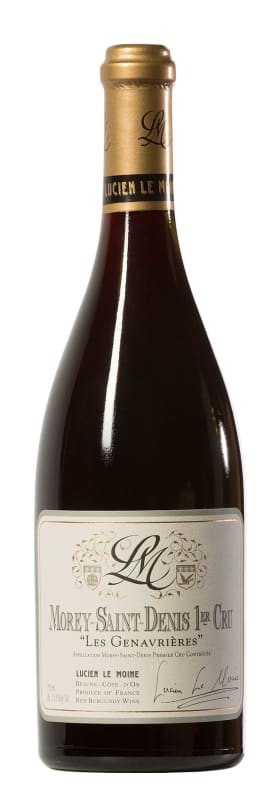
The 1er Cru Genavrières is located on the highest part of the Clos de la Roche vineyard. The wine has both the body of the Clos de la Roche and the finesse of this high part of Morey St Denis. The vines here were once exclusively white but have gradually been taken over by Pinot Noir. The site is very rocky, with a visibly high content of limestone in the soils.


Thin-skinned, finicky and temperamental, Pinot Noir is also one of the most rewarding grapes to grow and remains a labor of love for some of the greatest vignerons in Burgundy. Fairly adaptable but highly reflective of the environment in which it is grown, Pinot Noir prefers a cool climate and requires low yields to achieve high quality. Outside of France, outstanding examples come from in Oregon, California and throughout specific locations in wine-producing world. Somm Secret—André Tchelistcheff, California’s most influential post-Prohibition winemaker decidedly stayed away from the grape, claiming “God made Cabernet. The Devil made Pinot Noir.”

While Morey-St-Denis of Burgundy might not get the same attention as its neighbors, Gevrey-Chambertin to the north and Chambolle-Musigny to the south, there is no reason why it shouldn’t. The same line of limestone runs from the Combe de Lavaux in Gevrey—all the way through Morey—ending in Chambolle.
There are four grand cru vineyards, moving southwards from the border with Gevrey-Chambertin: Clos de la Roche, Clos St-Denis, Clos des Lambrays, Clos de Tart and a small segment of Bonnes-Mares overlapping from Chambolle. Clos de la Roche is probably the finest vineyard, giving wines of true depth, body, and sturdiness for the long haul than most other vineyards.
Pinot Noir from Morey-St-Denis is known for its deep red cherry, blackcurrant and blueberry fruit. Aromas of spice, licorice and purple flowers are present in the wines’ youth, evolving to forest and game as the wine ages.