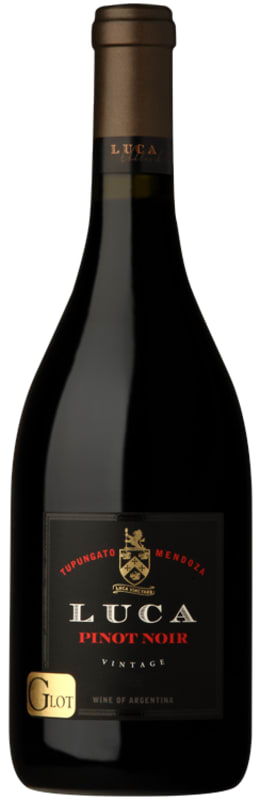


Winemaker Notes
Pairs well with foods such as lamb chops, grilled salmon, roasted duck or chicken, and game birds. Pinot lovers may just go ahead and drink it all by itself!
Professional Ratings
-
James Suckling
This opens with red fruit, nervy raspberries and a distinct herbal element. The medium-bodied palate shows subtle, polished tannins with a clean, delineated thread of fruit running throughout. Focused.
-
Robert Parker's Wine Advocate
Sourced from 1994 plantings in Adrianna Vineyard's sandy loam and calcareous soils, the 2023 Pinot Noir G Lot fermented with 20% whole clusters in stainless tank and aged for 12 months in 20% new barrique. It leads with a radiant, red-fruited and spice-driven nose that gains freshness with aeration. The palate is vibrant, elegant and sapid, concluding with a stony, grippy finish.
-
Jeb Dunnuck
Coming from the same sources as the G-Lot Chardonnay, the 2023 Pinot Noir G-Lot is textural and moderate in acidity, made in a high-toned style with crisp, crunchy red fruit and aged 12 months in 20% new oak. It has varietal typicity in its grasp of sous bois and dried herb, finishing soft and supple in baking spice.
-
Wine Enthusiast
This high-altitude Pinot Noir offers an aromatic bouquet of ripe cherries. It's well-balanced, featuring a concentrated medley of red fruit flavors complemented by hints of bay leaf that extend the finish.


Laura Catena is a fourth generation winemaker who grew up in a traditional Argentine-Italian winemaking family in Mendoza. Laura splits her time between Mendoza and San Francisco, California, where she is an emergency physician, university professor and occasional tango dancer. Laura had the vision of creating a new breed of Argentine wines: small quantities, artisan quality, and true to their individual terroirs. A pioneer of small-grower relations in Mendoza, Laura's incredible, limited production wines come from some of Argentina's best fruit from low-yield, high-elevation, family-owned vineyards. The wines are named after her children - Luca, Dante and Nicola - and symbolize her love for her family. The background of the label is the McDermott coat of arms of her American husband, Daniel McDermott.

Thin-skinned, finicky and temperamental, Pinot Noir is also one of the most rewarding grapes to grow and remains a labor of love for some of the greatest vignerons in Burgundy. Fairly adaptable but highly reflective of the environment in which it is grown, Pinot Noir prefers a cool climate and requires low yields to achieve high quality. Outside of France, outstanding examples come from in Oregon, California and throughout specific locations in wine-producing world. Somm Secret—André Tchelistcheff, California’s most influential post-Prohibition winemaker decidedly stayed away from the grape, claiming “God made Cabernet. The Devil made Pinot Noir.”

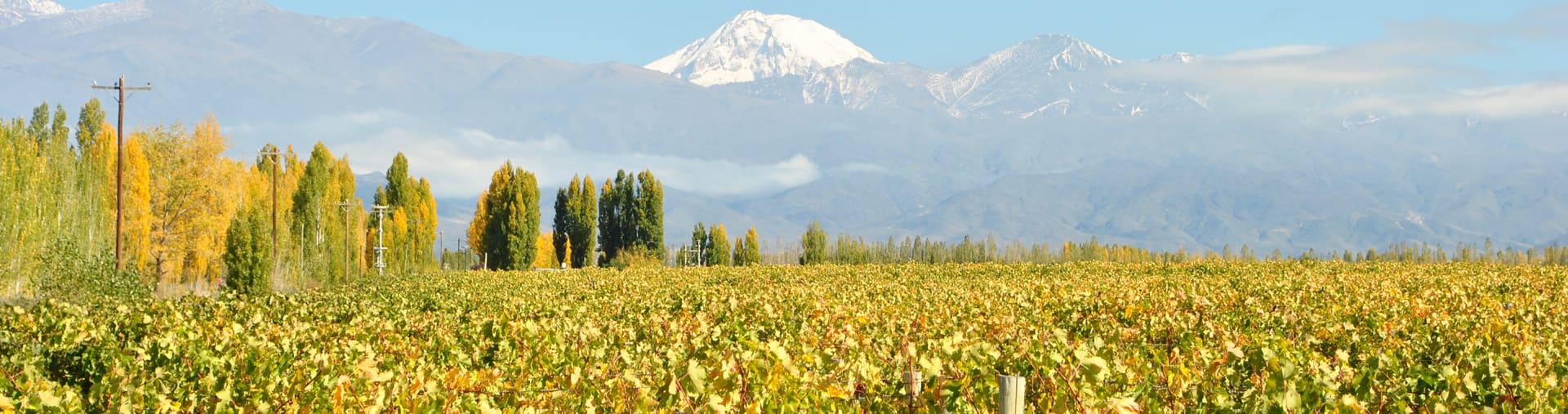
By far the largest and best-known winemaking province in Argentina, Mendoza is responsible for over 70% of the country’s enological output. Set in the eastern foothills of the Andes Mountains, the climate is dry and continental, presenting relatively few challenges for viticulturists during the growing season. Mendoza, divided into several distinctive sub-regions, including Luján de Cuyo and the Uco Valley, is the source of some of the country’s finest wines.
For many wine lovers, Mendoza is practically synonymous with Malbec. Originally a Bordelaise variety brought to Argentina by the French in the mid-1800s, here it found success and renown that it never knew in its homeland where a finicky climate gives mixed results. Cabernet Sauvignon, Syrah, Merlot and Pinot Noir are all widely planted here as well (and sometimes even blended with each other or Malbec). Mendoza's main white varieties include Chardonnay, Torrontés, Sauvignon Blanc and Sémillon.