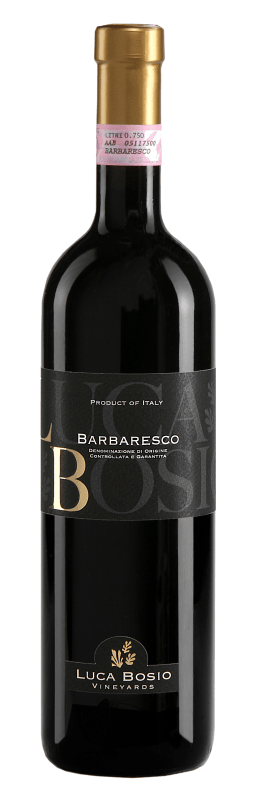


Winemaker Notes
Blend: 100% Nebbiolo
Professional Ratings
-
Tasting Panel
Appealing notes of thyme, basil, and wet stone meet rose petal and red raspberry. Moderate tannins show good grip as ripe, energetic acidity keeps the freshness intact.
-
James Suckling
A delicate and elegant wine with a graceful nose of sweet violets, cinnamon, savory red cherries and a touch of pepper. Medium-bodied on the palate, it shows density and weight with refreshing acidity, velvety if not silky tannins and a peppery finish. Drink or hold.
-
Wine Spectator
A bright red hue, the 2022 Barbaresco is fruity on the nose with aromas of preserved berries, purple flowers, mossy earth, and sweet herbs. The palate has a similarly fruity feel, although it takes on a needed level of freshness of acidity in this warm vintage, with a bit of warming spice on the finish. This will be a vintage to enjoy over the near term, but the wine has a good level of charm now.
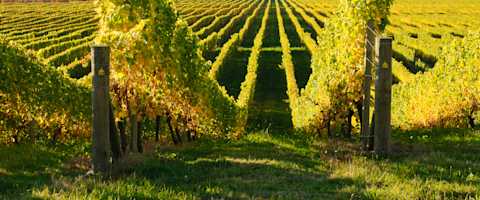
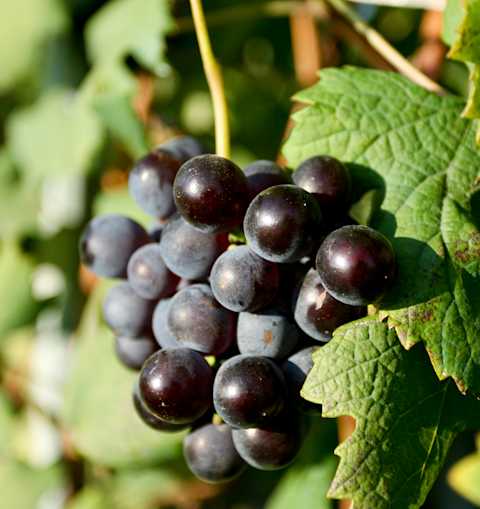
Responsible for some of the most elegant and age-worthy wines in the world, Nebbiolo, named for the ubiquitous autumnal fog (called nebbia in Italian), is the star variety of northern Italy’s Piedmont region. Grown throughout the area, as well as in the neighboring Valle d’Aosta and Valtellina, it reaches its highest potential in the Piedmontese villages of Barolo, Barbaresco and Roero. Outside of Italy, growers are still very much in the experimentation stage but some success has been achieved in parts of California. Somm Secret—If you’re new to Nebbiolo, start with a charming, wallet-friendly, early-drinking Langhe Nebbiolo or Nebbiolo d'Alba.
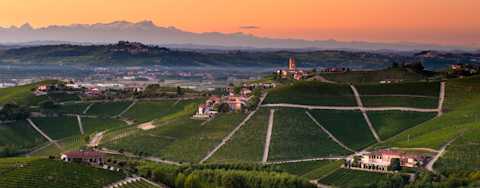
A wine that most perfectly conveys the spirit and essence of its place, Barbaresco is true reflection of terroir. Its star grape, like that in the neighboring Barolo region, is Nebbiolo. Four townships within the Barbaresco zone can produce Barbaresco: the actual village of Barbaresco, as well as Neive, Treiso and San Rocco Seno d'Elvio.
Broadly speaking there are more similarities in the soils of Barbaresco and Barolo than there are differences. Barbaresco’s soils are approximately of the same two major soil types as Barolo: blue-grey marl of the Tortonion epoch, producing more fragile and aromatic characteristics, and Helvetian white yellow marl, which produces wines with more structure and tannins.
Nebbiolo ripens earlier in Barbaresco than in Barolo, primarily due to the vineyards’ proximity to the Tanaro River and lower elevations. While the wines here are still powerful, Barbaresco expresses a more feminine side of Nebbiolo, often with softer tannins, delicate fruit and an elegant perfume. Typical in a well-made Barbaresco are expressions of rose petal, cherry, strawberry, violets, smoke and spice. These wines need a few years before they reach their peak, the best of which need over a decade or longer. Bottle aging adds more savory characteristics, such as earth, iron and dried fruit.