


Winemaker Notes
An exceptional wine, distinguished by its complex aromas of graphite, cassis, cocoa bean, and subtle earthiness. On the palate, the 2021 Chester-Kidder shows layered complexity, seamlessly transitioning from its aromatic profile to flavors of black currant, cassis, and a hint of dark chocolate. A viscous, textured mouthfeel adds to the wine’s appeal, enhanced by its balanced, sophisticated character that lingers across a silky finish.
Blend: 60% Cabernet Sauvignon, 29% Syrah, 11% Petit Verdot
Professional Ratings
-
Jeb Dunnuck
Named for founder Allen Shoup’s mother (Elizabeth Chester) and grandmother (Maggie Kidder), the 2021 Chester Kidder Red Wine blends 60% Cabernet Sauvignon, 29% Syrah, and 11% Petit Verdot, the latter providing a lift of bright acidity. Aged 30 months in French oak, 85% of it new, it’s a powerhouse of a wine, richly layered and concentrated, with a suppleness to the tannins and mouthfeel. There’s dark fruit and baking spice that contrast against the Syrah’s brooding gamey garrigue. Cellar through 2036.
-
James Suckling
Deep and compact red, full of ripe dark berries, chocolate, licorice, vanilla and crushed hazelnuts. Full and dense on the palate with velvety and broad tannins. Very long and opulent, with chocolaty character in the finish. Drink from 2028.
-
Vinous
The 2021 Chester-Kidder opens with a balsamic tinge, blending crushed plums and grilled sage with dark chocolate and hints of spice. Cool-toned and racy in feel, it swirls across the palate with ripe wild berry fruits, offset by sour citrus and cocoa. The 2021 finishes long and staining with cheek-puckering concentration. Suggestions of clove linger on and on.
-
Wine Enthusiast
The meatiness of this wine is quite appealing, rather as if you roasted a pork shoulder rubbed with rosemary, thyme, and black pepper. A blend of 60% Cabernet Sauvignon, 29% Syrah, and 11% Petit Verdot, it offers aromas of black cherries, leather, and cigar box. The wine’s slippery texture escorts rich flavors like blackberry pie and black coffee, making it seem like a meal in a glass. Editor’s Choice.
-
Wine Spectator
A distinctive red, with blackberry, savory anise and smoked meat flavors that build toward medium-grained tannins. Cabernet Sauvignon, Syrah and Petit Verdot.
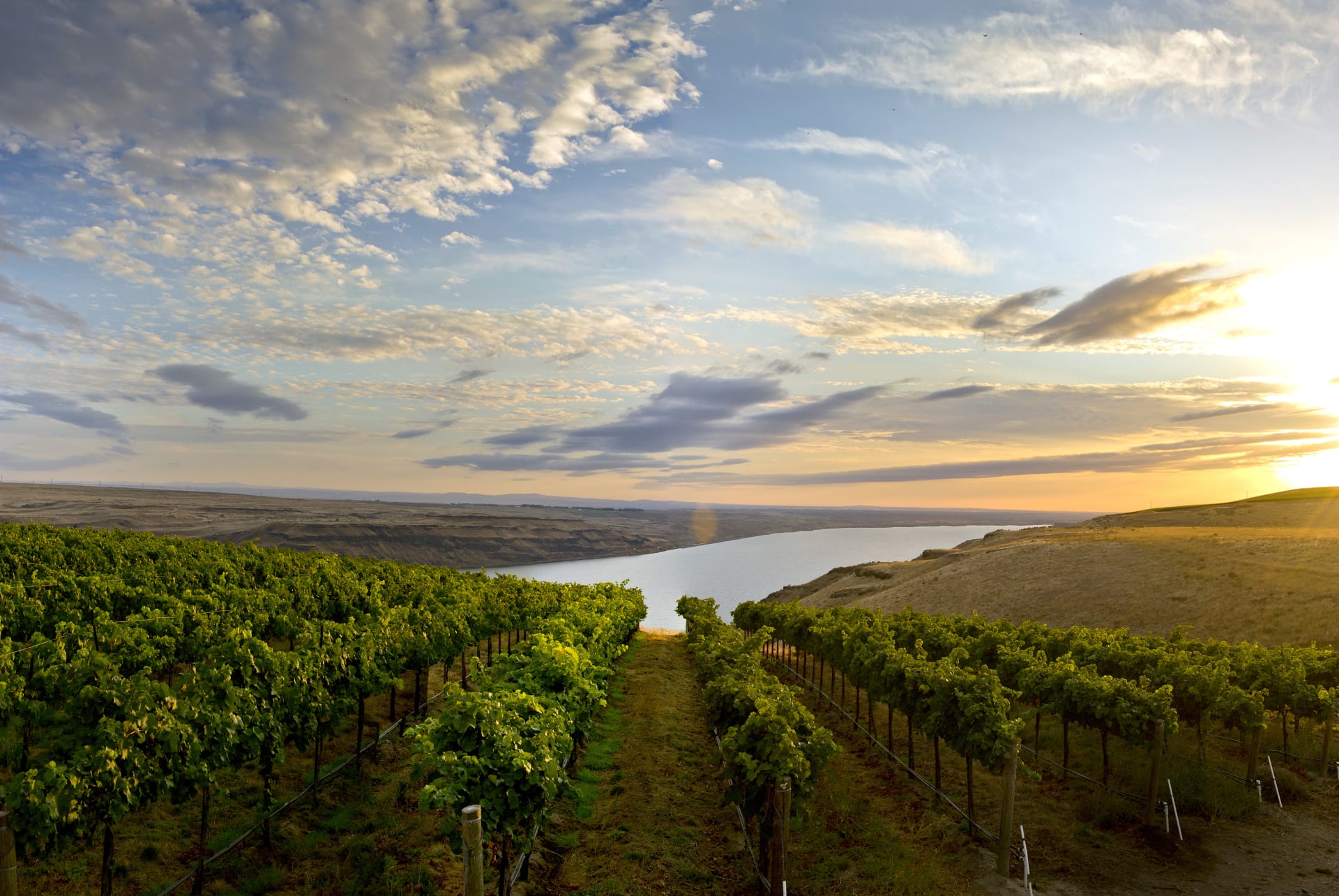




Long Shadows Vintners is a collection of seven ultra-premium wines, each built on the unique expertise of some of the world's most highly-regarded winemakers to showcase the viticultural quality and caliber of Washington State's Columbia Valley.
Founded by Washington wine visionary Allen Shoup in 2002, Long Shadows is the continuation of Allen's ongoing ambition to bring international recognition to the Columbia Valley. His idea for Long Shadows was as simple as it was complex. Recruit seven internationally acclaimed winemakers; give each access to Washington State's best grapes; and outfit a winery to the vintner’s exacting cellar specifications. The result, in effect, is seven stand-alone wineries, under one roof.
Since the beginning, Long Shadows' director of winemaking and viticulture Gilles Nicault, has overseen the operations of the winery and worked closely with the vintners to bring each winemaker's vision to completion. Internationally renowned winemakers Randy Dunn (Feather Cabernet Sauvignon); John Duval (Sequel Syrah); Philippe Melka (Pirouette Red Wine); and Michel Rolland (Pedestal Merlot) are active partners in their respective wines. Gilles now crafts Poet’s Leap Riesling and Saggi (Sangiovese/Cabernet Sauvignon) in styles that remain true to their original winemakers, Armin Diel and Giovanni Folonari respectively. Gilles crafts Chester-Kidder, a Cabernet Sauvignon/Syrah blend, independently.
Gilles works closely with the state's top growers to execute a diverse winemaking protocol at Long Shadows' state-of-the-art facility in Walla Walla to produce wines of exceptional quality, true to the Columbia Valley's terroir.

With hundreds of red grape varieties to choose from, winemakers have the freedom to create a virtually endless assortment of blended red wines. In many European regions, strict laws are in place determining the set of varieties that may be used, but in the New World, experimentation is permitted and encouraged resulting in a wide variety of red wine styles. Blending can be utilized to enhance balance or create complexity, lending different layers of flavors and aromas. For example, a red wine blend variety that creates a fruity and full-bodied wine would do well combined with one that is naturally high in acidity and tannins. Sometimes small amounts of a particular variety are added to boost color or aromatics. Blending can take place before or after fermentation, with the latter, more popular option giving more control to the winemaker over the final qualities of the wine.
How to Serve Red Wine
A common piece of advice is to serve red wine at “room temperature,” but this suggestion is imprecise. After all, room temperature in January is likely to be quite different than in August, even considering the possible effect of central heating and air conditioning systems. The proper temperature to aim for is 55° F to 60° F for lighter-bodied reds and 60° F to 65° F for fuller-bodied wines.
How Long Does Red Wine Last?
Once opened and re-corked, a bottle stored in a cool, dark environment (like your fridge) will stay fresh and nicely drinkable for a day or two. There are products available that can extend that period by a couple of days. As for unopened bottles, optimal storage means keeping them on their sides in a moderately humid environment at about 57° F. Red wines stored in this manner will stay good – and possibly improve – for anywhere from one year to multiple decades. Assessing how long to hold on to a bottle is a complicated science. If you are planning long-term storage of your reds, seek the advice of a wine professional.

A large and geographically diverse AVA capable of producing a wide variety of wine styles, the Columbia Valley AVA is home to 99% of Washington state’s total vineyard area. A small section of the AVA even extends into northern Oregon!
Because of its size, it is necessarily divided into several distinctive sub-AVAs, including Walla Walla Valley and Yakima Valley—which are both further split into smaller, noteworthy appellations. A region this size will of course have varied microclimates, but on the whole it experiences extreme winters and long, hot, dry summers. Frost is a common risk during winter and spring. The towering Cascade mountain range creates a rain shadow, keeping the valley relatively rain-free throughout the entire year, necessitating irrigation from the Columbia River. The lack of humidity combined with sandy soils allows for vines to be grown on their own rootstock, as phylloxera is not a serious concern.
Red wines make up the majority of production in the Columbia Valley. Cabernet Sauvignon is the dominant variety here, where it produces wines with a pleasant balance of dark fruit and herbs. Wines made from Merlot are typically supple, with sweet red fruit and sometimes a hint of chocolate or mint. Syrah tends to be savory and Old-World-leaning, with a wide range of possible fruit flavors and plenty of spice. The most planted white varieties are Chardonnay and Riesling. These range in style from citrus and green apple dominant in cooler sites, to riper, fleshier wines with stone fruit flavors coming from the warmer vineyards.