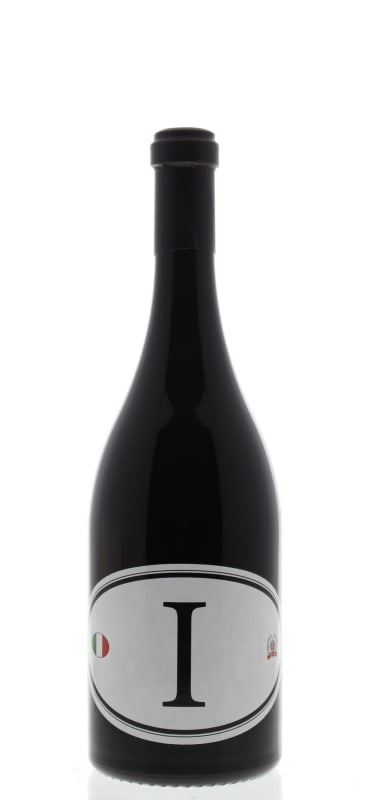


Winemaker Notes
Professional Ratings
-
Robert Parker's Wine Advocate
The Non-Vintage Locations I-2 Italian Red Wine (also all 2012 fruit, but it can’t be called that because of the blend) is composed of Nero D’Avola and Negroamaro from Puglia, Barbera from Piedmont, and a small percentage of Sangiovese from Tuscany. It receives vinification in large oak and spends ten months in barrel prior to bottling. It displays more acidity than the French cuvee, along with notes of wild herbs, licorice, tomato skins, black olives, red and black currants, cherries, barbecue spice and burning embers. This serious, medium to full-bodied, tasty, distinctive wine can be consumed over the next several years.
Italian Red Wine
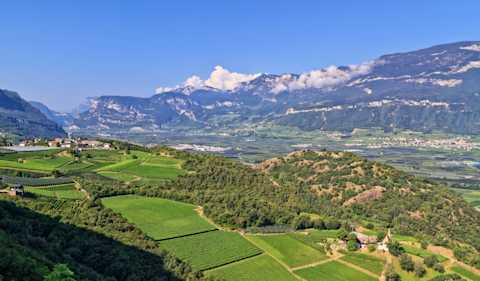
While picturesque hillsides, endless coastlines and a favorable climate serve to unify the grape-growing culture of this country. The apparent never-ending world of indigenous grape varieties gives Italy an unexampled charm and allure for its red wines. From the steep inclines of the Alps to the sprawling, warm, coastal plains of the south, red grape varieties thrive throughout.
The kings of Italy, wines like Barolo and Barbaresco (made of Nebbiolo), and Chianti and Brunello di Montalcino (made of Sangiovese), as well as Amarone (mostly Corvina), play center stage for the most lauded, collected and cellar-worthy reds. Less popular but entirely deserving of as much praise are the wines made from Aglianico, Sagrantino and Nerello Mascalese.
For those accustomed to drinking New World reds, the south is the place to start. Grapes like Negroamaro or Primitvo from Puglia and Nero d’Avola from Sicily make soft, ammicable, full-bodied, fruit-dominant wines. Curious palates should be on the lookout for Cannonau (Grenache), Lagrein, Teroldego, Ruché, Freisa, Cesanese, Schiopettino, Rossese and Gaglioppo to name a few.