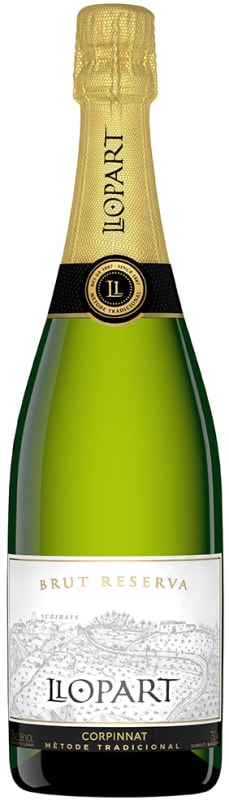


Winemaker Notes
This wine is a bright straw yellow with fine and constant bubbles. The aroma is clean with a predominance of primary aromas of white fruits. On the palate, it is very smooth, fresh, vibrant, and has a long acidity and a lingering aftertaste.
Blend: 40% Xarel·lo, 30% Macabeo, 30% Parellada
Professional Ratings
-
Robert Parker's Wine Advocate
The 2023 Brut Reserva was produced with a blend of 40% Xarel.lo, 30% Macabeo and 30% Parellada from organically farmed vineyards. It aged for at least 20 months with the lees in bottle. It comes in at 11.5% alcohol, with a pH of 2.95 and a dosage to complete eight grams of sugar. It's pale, bright and elegant, subtle, very young and undeveloped, not too sweet, approachable and pleasant. It's also serious, clean and harmonious, very drinkable.
-
Jeb Dunnuck
This producer’s flagship bottling for the export market, the 2023 Brut Reserva impresses in creamy, medium-bodied layers of apple and peach, dry with good acidity and texture. It blends 40% Xarel-lo, 30% Macabeo, and 30% Parellada from family-owned acreage in the Alta Penedes mountains. Methode Champenoise, its final dosage is six grams per liter after 24 months sur lie in bottle.
-
James Suckling
Citrus-driven, showing green apples, floral undertones and a subtle herbal touch. Medium-bodied and vinous on the palate with hints of stone fruit and a delicate, approachable profile. Evenly balanced and harmonious throughout. A blend of 40% xarel-lo, 30% macabeu and 30% parellada.



The Llopart family has been growing grapes since 1385, proven by a document written in Latin that is kept in the family’s archive proving a transfer of land to Bernardus Leopardi, one of the family’s ancestors, located on the winery’s present estate, known as Can Llopart de Subirats. Over the following centuries, the family dedicated themselves to the cultivation of grapevines, wheat, and olive trees, until the late 1800’s when they committed themselves wholly to grape growing. After years of tests, the family finally released their first Cava, produced in the estate’s old masia, or country house, in 1887.
In the 1950’s the family status as a premier cava producer was solidified, when Pere Llopart i Vilarós revolutionized the operation and consolidated the production of small quantity, high quality sparkling wine, produced in the methode champenoise style.
Llopart is famous for the quality of their unique, low production sparkling wines, which express the terroir of their unique location. Their estate sits on a limestone mantle with a surface soil that is a mixture of clay and siliceous components. The vineyards are cared for with the most traditional organic methods possible. Llopart is one of the most unique, traditional, and authentic sparkling wine producers in the world.
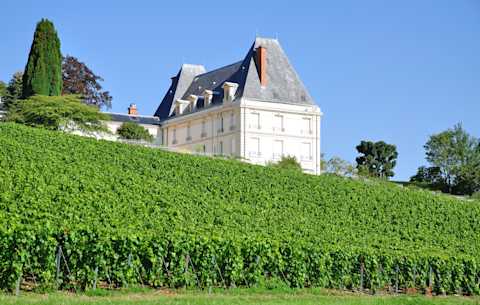
Representing the topmost expression of a Champagne house, a vintage Champagne is one made from the produce of a single, superior harvest year. Vintage Champagnes account for a mere 5% of total Champagne production and are produced about three times in a decade. Champagne is typically made as a blend of multiple years in order to preserve the house style; these will have non-vintage, or simply, NV on the label. The term, "vintage," as it applies to all wine, simply means a single harvest year.
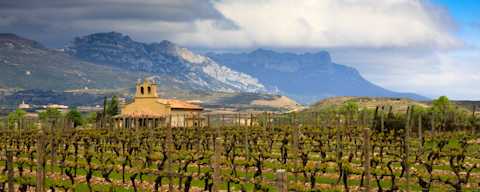
A superior source of white grapes for the production of Spain’s prized sparkling wine, Cava, the Penedes region is part of Catalunya and sits just south of Barcelona. Medio Penedès is the most productive source of the Cava grapes, Macabeo, Xarel-lo, and Parellada. Penedes also grows Garnacha and Tempranillo (here called Ull de Llebre in Catalan), for high quality reds and rosès.