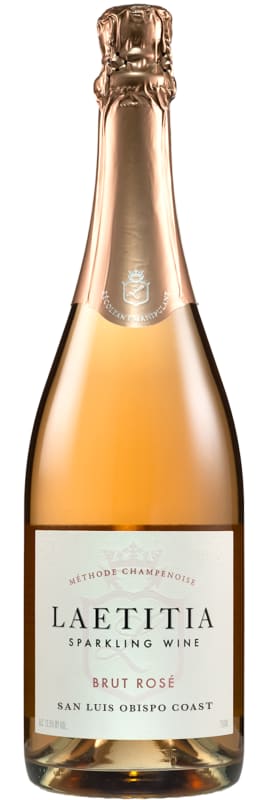


Winemaker Notes
Brilliant pale pink and steady streams of bubbles entice the eye. An attractive bouquet of sweet white peach and orange rind further stimulate the senses. Complex and full on the palate, flavors of honeycomb, dried strawberry, and freshly baked pastry lead into a long and savory finish.
Blend: 65% Chardonnay, 35% Pinot Noir
*The label for the Laetitia RM Brut Rose is in the process of changing. You may receive either of these two labels featured above. Specific labels cannot be requested.
Professional Ratings
-
Wine Enthusiast
A lovely salmon color hue in the glass, this bottling hits the nose with strawberry, pluot, lime pith and wet concrete aromas. There's a firm mineral streak through the palate, cutting through the rounded strawberry flesh and lime peel flavors.
-
Wilfred Wong of Wine.com
The Laetitia Brut Rosé glows a brilliant salmon hue with a copper tint, carried by a fine, persistent mousse. Aromas of mineral notes and tart red fruits rise from the glass, leading to a bright palate alive with tart cherry and refreshing acidity. Crisp and elegant on the finish, the Laetitia Brut Rosé invites romance at the table with two sublime sashimi pairings: the silky richness of toro, whose melt-in-your-mouth texture is lifted by the wine’s lively sparkle, and the tender sweetness of Hamachi brushed with yuzu, where citrus and sea meld gracefully with the rosé’s vibrant fruit. Together, they showcase the wine’s versatility while creating moments both sensual and ethereal. (Tasted: August 17, 2025, San Francisco, CA)
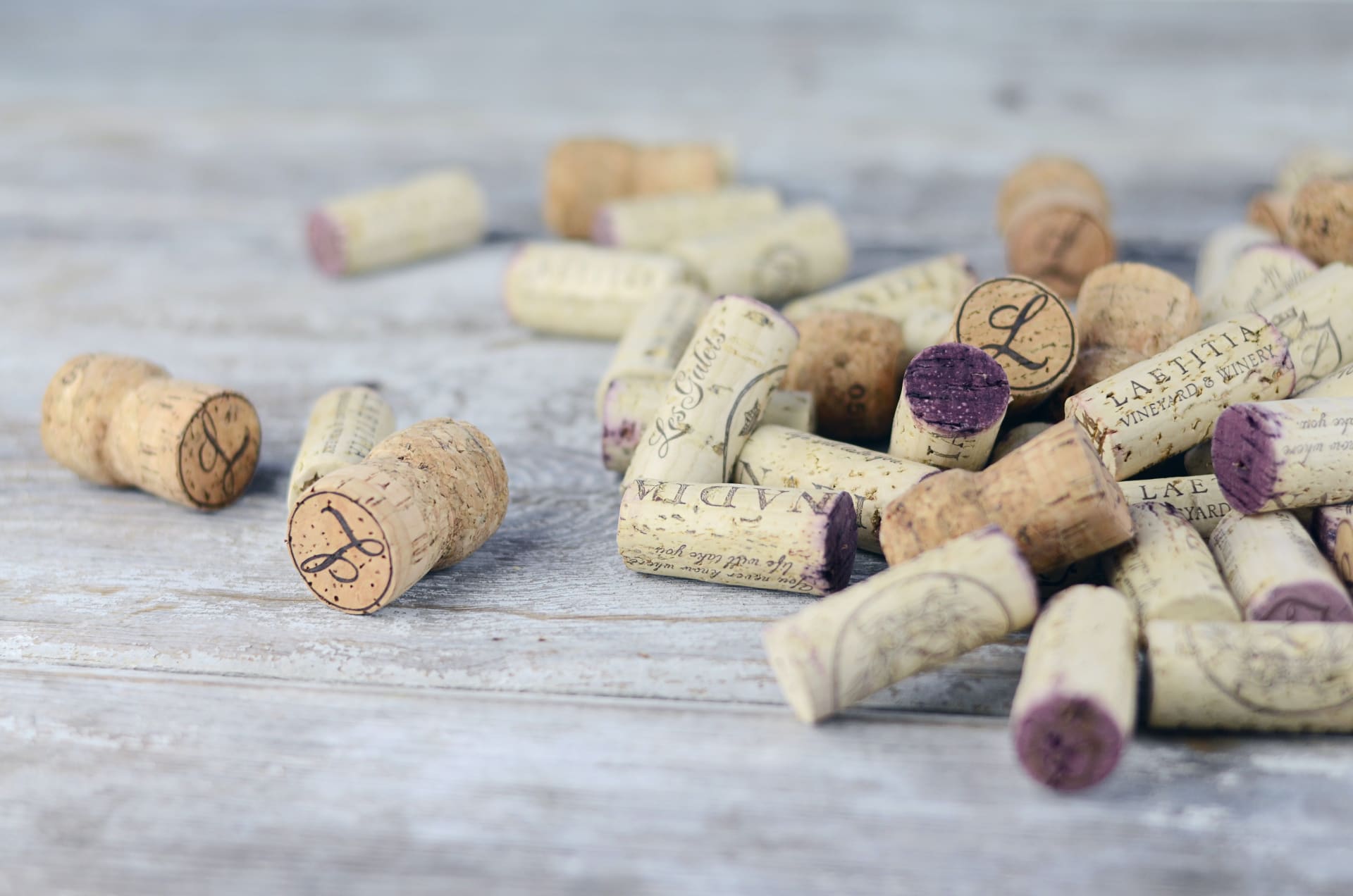


Since 1982, the Laetitia Vineyards & Winery has produced elegant wines that champion the exceptional character and diversity of the Arroyo Grande Valley AVA. Originally founded by an established French Champagne house, the Laetitia estate carries on in the longstanding traditions of Burgundy and Champagne with a focus on small-lot Pinot Noir and sparkling wines. Valuing legacy, balance, innovation, and sustainable practices from harvest to glass, the Laetitia team works meticulously from vintage to vintage to ensure that every bottle of Laetitia wine is as expressive as the coastal land from which it originates.

What are the different types of sparkling rosé wine?
Rosé sparkling wines like Champagne, Prosecco, Cava, and others make a fun and festive alternative to regular bubbles—but don’t snub these as not as important as their clear counterparts. Rosé Champagnes (i.e., those coming from the Champagne region of France) are made in the same basic way as regular Champagne, from the same grapes and the same region. Most other regions where sparkling wine is produced, and where red grape varieties also grow, also make a rosé version.
How is sparkling rosé wine made?
There are two main methods to make rosé sparkling wine. Typically, either white wine is blended with red wine to make a rosé base wine, or only red grapes are used but spend a short period of time on their skins (maceration) to make rosé colored juice before pressing and fermentation. In either case the base wine goes through a second fermentation (the one that makes the bubbles) through any of the various sparkling wine making methods.
What gives rosé Champagne and sparkling wine their color and bubbles?
The bubbles in sparkling wine are formed when the base wine undergoes a secondary fermentation, which traps carbon dioxide inside the bottle or fermentation vessel. During this stage, the yeast cells can absorb some of the wine’s color but for the most part, the pink hue remains.
How do you serve rosé sparkling wine?
Treat rosé sparkling wine as you would treat any Champagne, Prosecco, Cava, and other sparkling wine of comparable quality. For storing in any long-term sense, these should be kept at cellar temperature, about 55F. For serving, cool to about 40F to 50F. As for drinking, the best glasses have a stem and a flute or tulip shape to allow the bead (bubbles) and beautiful rosé hue to show.
How long do rosé Champagne and sparkling wine last?
Most rosé versions of Prosecco, Champagne, Cava or others around the “$20 and under” price point are intended for early consumption. Those made using the traditional method with extended cellar time before release (e.g., Champagne or Crémant) can typically improve with age. If you are unsure, definitely consult our Customer Care team for guidance.
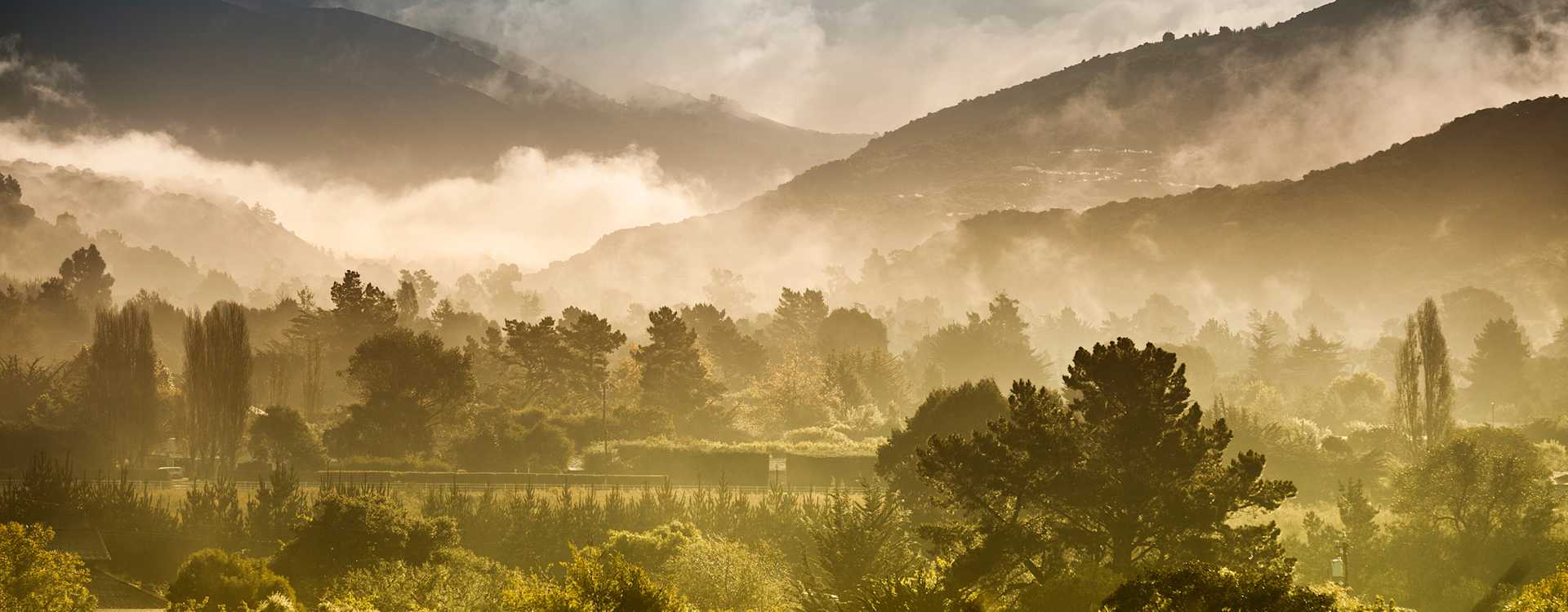
The largest and perhaps most varied of California’s wine-growing regions, the Central Coast produces a good majority of the state's wine. This vast California wine district stretches from San Francisco all the way to Santa Barbara along the coast, and reaches inland nearly all the way to the Central Valley.
Encompassing an extremely diverse array of climates, soil types and wine styles, it contains many smaller sub-AVAs, including San Francisco Bay, Monterey, the Santa Cruz Mountains, Paso Robles, Edna Valley, Santa Ynez Valley and Santa Maria Valley.
While the Central Coast California wine region could probably support almost any major grape varietiy, it is famous for a few Central Coast reds and whites. Pinot Noir, Chardonnay, Cabernet Sauvignon and Zinfandel are among the major ones. The Central Coast is home to many of the state's small, artisanal wineries crafting unique, high-quality wines, as well as larger producers also making exceptional wines.